
Discover the ultimate innovations of the future developed by Thai researchers! Meet the latest technology from KMITL that will transform our way of life and industry.
คณะวิทยาศาสตร์
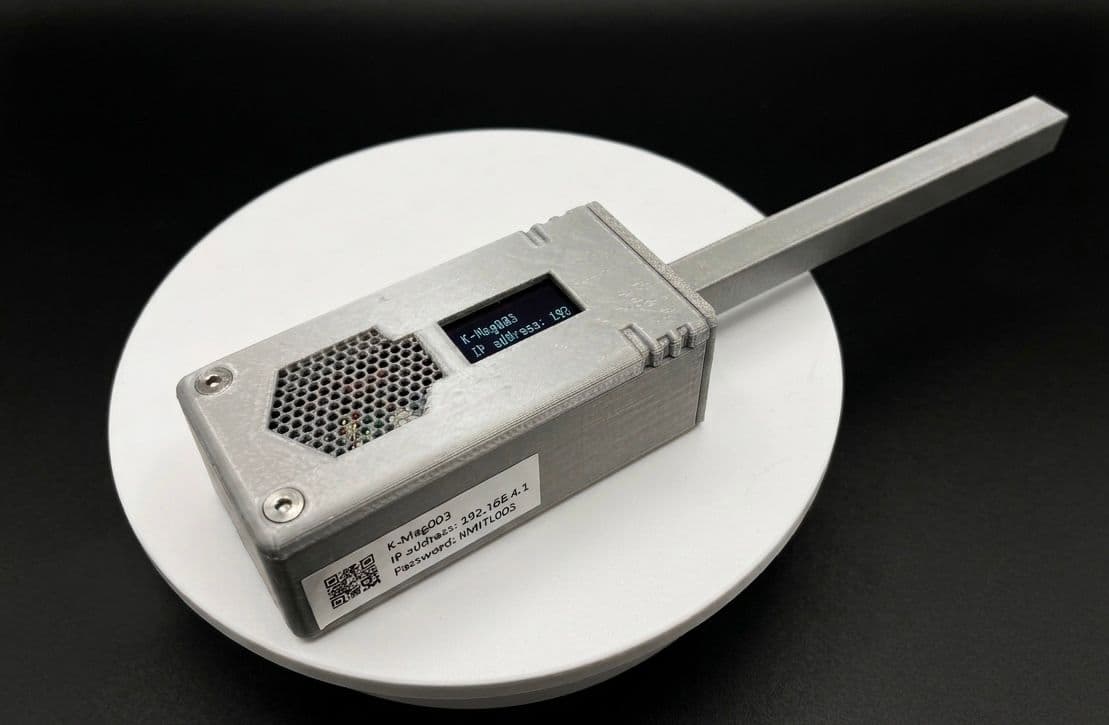
This research aims to develop a wireless magnetic field sensor named "K-Mag Tracer" as an innovative teaching tool for physics laboratory courses. The system utilizes a linear Hall effect sensor integrated with a microcontroller board. The device is designed for real-time data display through two channels: an onboard OLED screen and a web browser on mobile devices. Additionally, an online lesson system was developed to support self-directed learning in magnetic phenomena. The results show that the K-Mag Tracer is capable of measuring magnetic fields within a range of +/-120 mT. Users can choose between two data logging modes—time-based and event-based—to accommodate various experimental setups. Performance comparison against two standard commercial sensors demonstrated consistent measurements with an error of less than 2%, which falls within the acceptable standard for physics laboratories. Consequently, this innovation serves as an effective tool to promote active learning and facilitate physics data analysis in the digital era.
คณะอุตสาหกรรมอาหาร
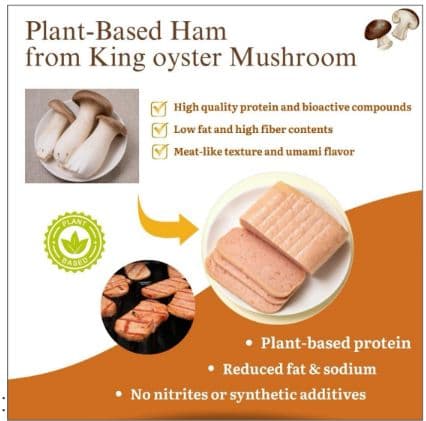
This project therefore aims to develop a "Plant-based Ham Product Prototype" using king oyster mushrooms (Pleurotus eryngii) as the primary ingredient — a natural raw material with strong potential in terms of nutritional value and meat-like texture. The project also seeks to improve the production process to achieve a product with satisfactory textural and flavor characteristics, meeting the needs of a new generation of health- and environmentally-conscious consumers, while providing a foundation for further commercial development within the alternative protein market.
คณะอุตสาหกรรมอาหาร
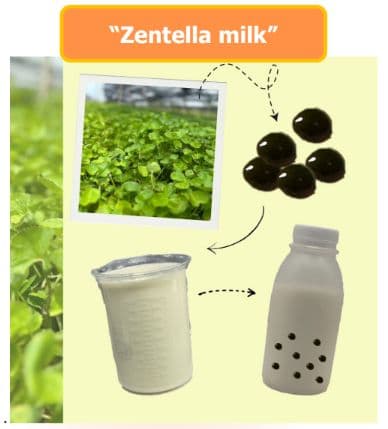
Extract from Centella asiatica (gotu kola) leaves is academically recognized for its key triterpenoid compounds — Asiaticoside, Madecassoside, Asiatic Acid, Madecassic Acid, and Brahminoside — which provide three primary health benefits: (1) anti-inflammatory and antioxidant effects (Hambali et al., 2024); (2) wound healing and tissue repair through collagen synthesis (Diniz et al., 2023); and (3) neuroprotective and cognitive support. Research has advanced extraction technologies to improve compound yield using safe solvents, and the extract has been incorporated into various food products, including functional beverages and traditional Thai foods, as well as dietary supplements in tablet and capsule forms. Thai FDA regulations limit triterpenoid intake to no more than 20 mg per day. Overall, the use of Centella asiatica extract in food product development is highly feasible at both laboratory and industrial scales, with strong potential for further innovation in the functional food sector.
คณะอุตสาหกรรมอาหาร
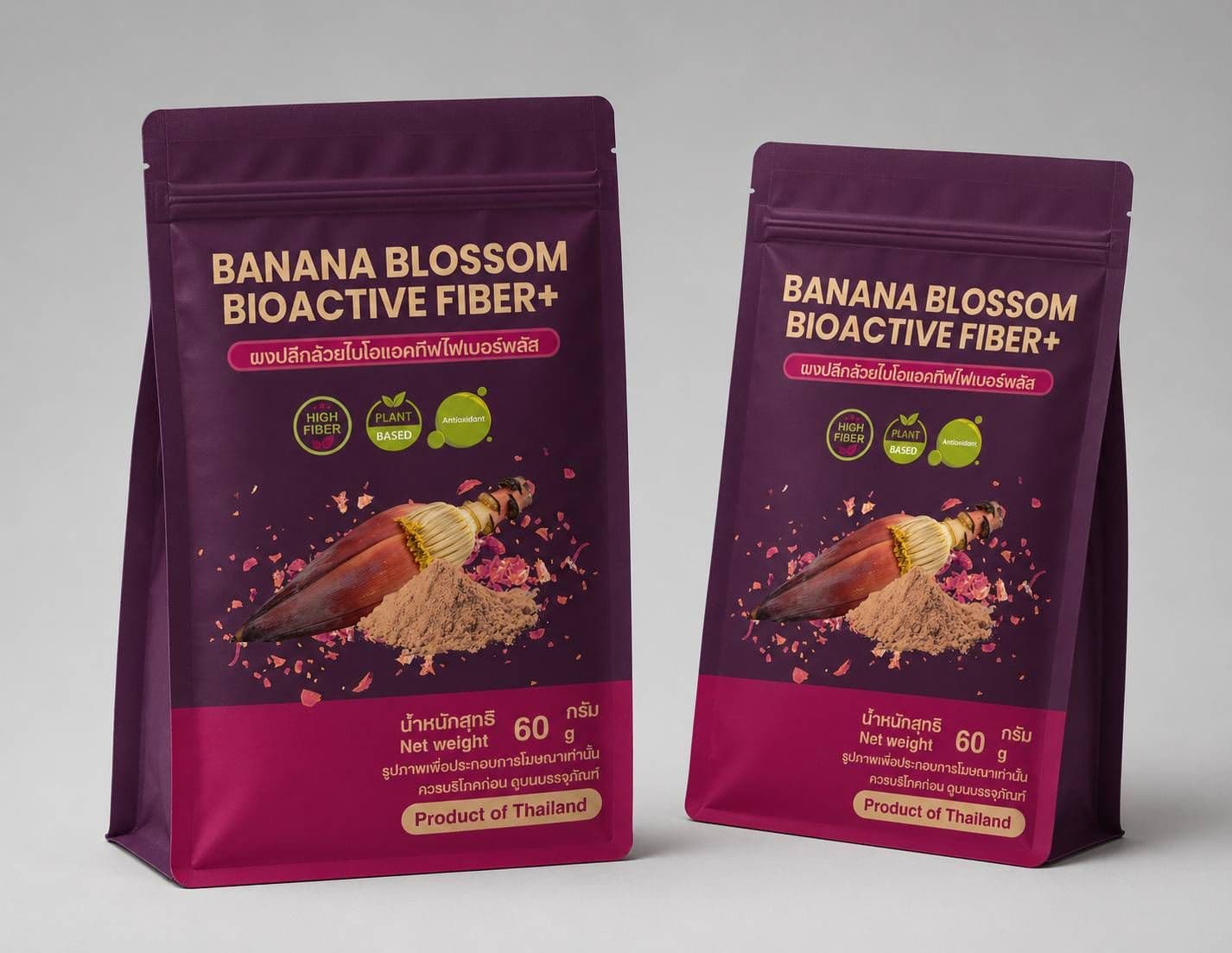
Banana blossom is an agricultural by-product with considerable potential for development into a value-added food ingredient due to its dietary fiber and naturally occurring bioactive compounds, particularly phenolic compounds and flavonoids associated with antioxidant properties. However, its application in food products is limited by several quality-related characteristics, including coarse texture, dark color resulting from browning reactions, and astringency, which may negatively affect product quality and consumer acceptance. This study aims to develop an innovative process for banana blossom powder production using pretreatment with citric and ascorbic acids combined with ultrasound-assisted treatment. The process is designed to reduce astringency, control browning, improve physical characteristics, and retain important bioactive compounds in banana blossom prior to drying and powder production. The resulting banana blossom powder will be evaluated for its nutritional composition, dietary fiber content, bioactive compounds, antioxidant properties, and functional properties. The developed banana blossom powder will subsequently be incorporated as an ingredient in a healthy snack product using extrusion technology, followed by quality evaluation of the developed prototype. This study integrates agricultural by-product upcycling with food processing technology to transform banana blossom into a fiber-rich food ingredient containing naturally occurring bioactive compounds and further develop it into a healthy food product that responds to current health and sustainability trends. This approach also creates opportunities for technology transfer and future commercial applications.
วิทยาลัยเทคโนโลยีและนวัตกรรมวัสดุ
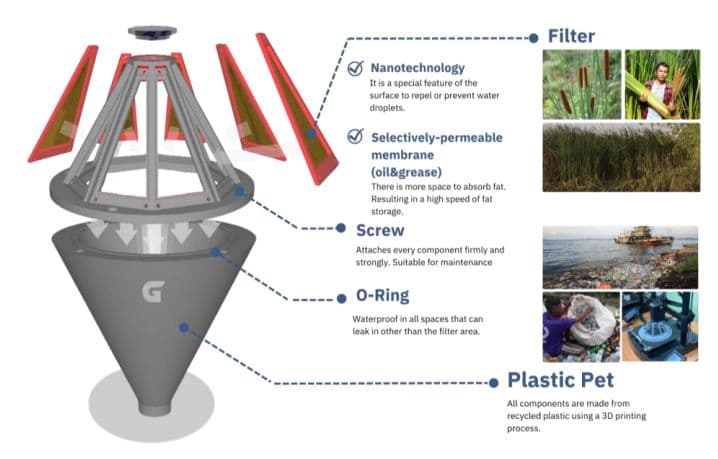
Oil and grease pollution is an urgent environmental problem severely affecting aquatic ecosystems and mangrove forests, particularly in the Mani Rat Canal area, Samut Sakhon Province, where no effective solution currently exists. This research aims to develop a "high-efficiency oil-trapping buoy using superhydrophobic membrane technology" by synthesizing cattail flowers into Carbon Nanofiber material for capturing oil and grease, combined with waste PET plastic collected from mangrove areas as the primary structural material. This approach not only addresses water pollution but also enables the recovered oil to be further processed and utilized, representing an environmentally friendly solution that promotes sustainable resource management.

คณะสถาปัตยกรรม ศิลปะและการออกแบบ
This research focuses on transforming waste materials from a micro-pile industrial establishment into value-added products through the Upcycle design process, guided by the principles of creative innovation and the 3Rs resource efficiency framework. The study aims to investigate the types and potential of discarded materials for creative product development, resulting in distinctive household and decorative items designed within the constraints of available technology and in-house craftsmanship. The outcomes were achieved through collaborative work among the industrial establishment, metal craftsmen, and the community as end users, leading to prototype products with viable commercial potential. Furthermore, the project serves as a knowledge transfer platform from academic institutions to the industrial sector, providing a practical guideline for entrepreneurs, designers, and start-ups interested in developing new products from waste materials in a creative and sustainable manner.
คณะวิศวกรรมศาสตร์
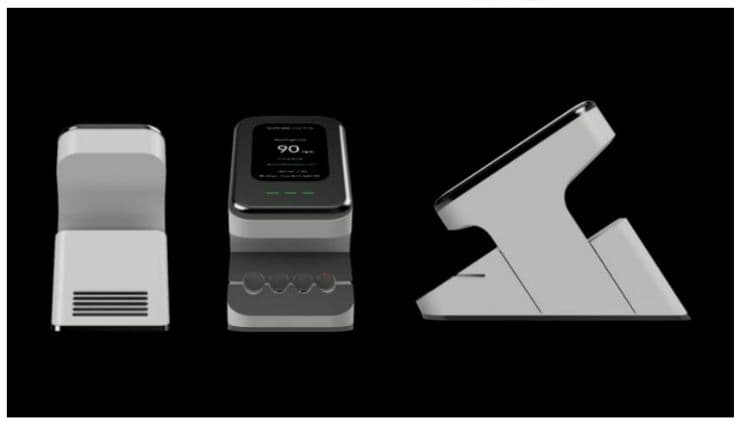
This research aims to develop a portable prototype device for non-invasive blood glucose and vital sign monitoring, integrating Near-Infrared Spectroscopy (NIR) with biosensor systems and Artificial Intelligence (AI)-based data analysis. The device addresses the limitations of conventional blood-drawing methods that are impractical for elderly patients and those in remote areas. Designed to be user-friendly, low-cost, and capable of real-time result display, the device is intended for use in community-based healthcare settings such as local clinics and sub-district health promotion hospitals, with strong potential for future commercial development.
คณะวิศวกรรมศาสตร์
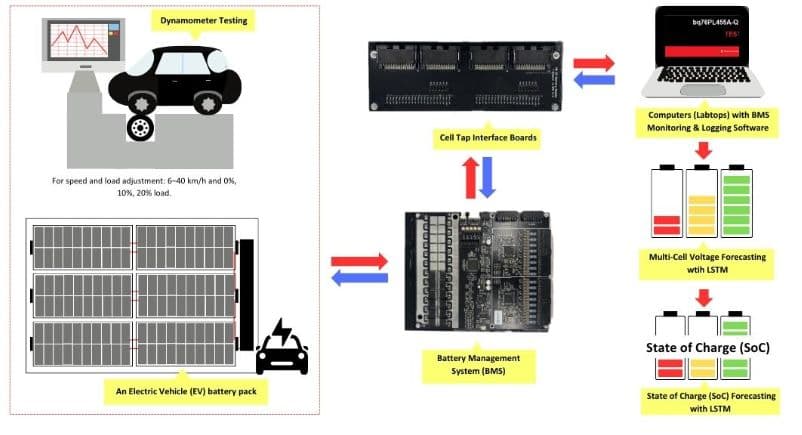
This research develops a "Smart Battery Management System (BMS) Demonstration Kit for Electric Vehicles" — a scaled-down prototype that measures battery cell voltage, current, and temperature while precisely controlling cell balancing and charge-discharge processes, supported by a real-time dashboard. The kit integrates LSTM and GRU AI models for accurate prediction of battery voltage and State of Charge (SoC) under varying load conditions, enabling early anomaly detection and predictive maintenance. Designed for exhibition displays and as a teaching resource for higher education and vocational institutions, this demonstration kit delivers meaningful impact across education, research, and innovation development in Thailand's electric vehicle industry.
วิทยาลัยนวัตกรรมการผลิตขั้นสูง
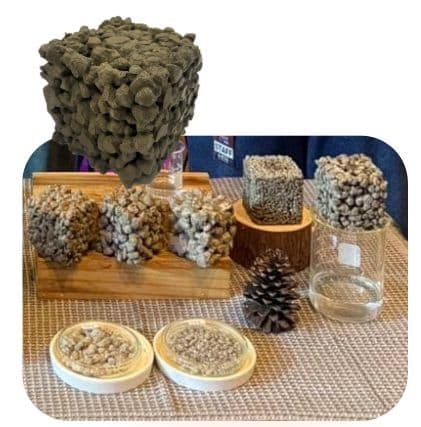
This research develops drainage flooring materials using steel slag industrial waste as the primary raw material, combined with Fly Ash and HPMC to enhance structural strength and water permeability, guided by the Waste-to-Wealth concept. The innovation simultaneously addresses urban flooding and industrial waste management challenges. The resulting paving blocks meet ASTM C1701 infiltration standards and are suitable for public walkways, pedestrian paths, and parking areas. The project aims to produce exhibition-ready prototypes for KMITL Innovation EXPO 2026 with strong potential for further commercial development.