

In recent years, many people have shown greater interest in plant-based proteins because of their health benefits and lower impact on the environment. This study will look at the physical and chemical properties of chickpeas and red beans. It will also create a plant-based burger that tastes and feels similar to meat-based burgers while providing comparable nutrition. We will steam the ingredients and then analyze important properties such as texture, color, water activity (aW), pH, and how well they retain water and oil. Additionally, we will conduct a sensory evaluation to understand consumer preferences.
ในปัจจุบัน แพลนเบส (Plant-based) หรือโปรตีนจากพืชได้รับความสนใจมากขึ้น เนื่องจากมีประโยชน์ต่อสุขภาพและช่วยลดผลกระทบต่อสิ่งแวดล้อม เมื่อเทียบกับโปรตีนจากเนื้อสัตว์ ซึ่งมีการปล่อยก๊าซเรือนกระจกสูงและใช้ทรัพยากรมาก เช่น น้ำและที่ดิน อย่างไรก็ตาม การผลิตเนื้อสัตว์บางประเภท เช่น โค อาจมีข้อดีต่อระบบนิเวศบางด้านพืชตระกูลถั่ว เป็นแหล่งโปรตีนจากพืชที่สำคัญ เพราะมีคุณค่าทางโภชนาการสูงและช่วยลดการใช้ปุ๋ยเคมีโดยการตรึงไนโตรเจน นอกจากนี้ การบริโภค เบอร์เกอร์จากพืช ยังช่วยลดระดับคอเลสเตอรอล ลดความเสี่ยงต่อโรคหัวใจ เบาหวาน และมะเร็งลำไส้ใหญ่ เนื่องจากมีไขมันอิ่มตัวต่ำและเส้นใยอาหารสูงในด้าน ความยั่งยืน การลดการบริโภคเนื้อสัตว์และหันมาใช้พืชตระกูลถั่วในผลิตภัณฑ์ทดแทนเนื้อ เช่น เบอร์เกอร์จาก ถั่วลูกไก่ และถั่วแดง สามารถช่วยลดผลกระทบต่อสิ่งแวดล้อมได้การวิจัยนี้ มุ่งเน้นศึกษาคุณสมบัติทางกายภาพและเคมีของถั่วทั้ง 2 ชนิด รวมถึงการพัฒนาสูตร เบอร์เกอร์เนื้อเทียม เพื่อให้มีรสชาติ เนื้อสัมผัส และคุณค่าทางโภชนาการที่ใกล้เคียงกับเนื้อสัตว์ และตอบโจทย์กลุ่มผู้บริโภคที่ต้องการลดการบริโภคเนื้อสัตว์
วิทยาลัยการจัดการนวัตกรรมและอุตสาหกรรม
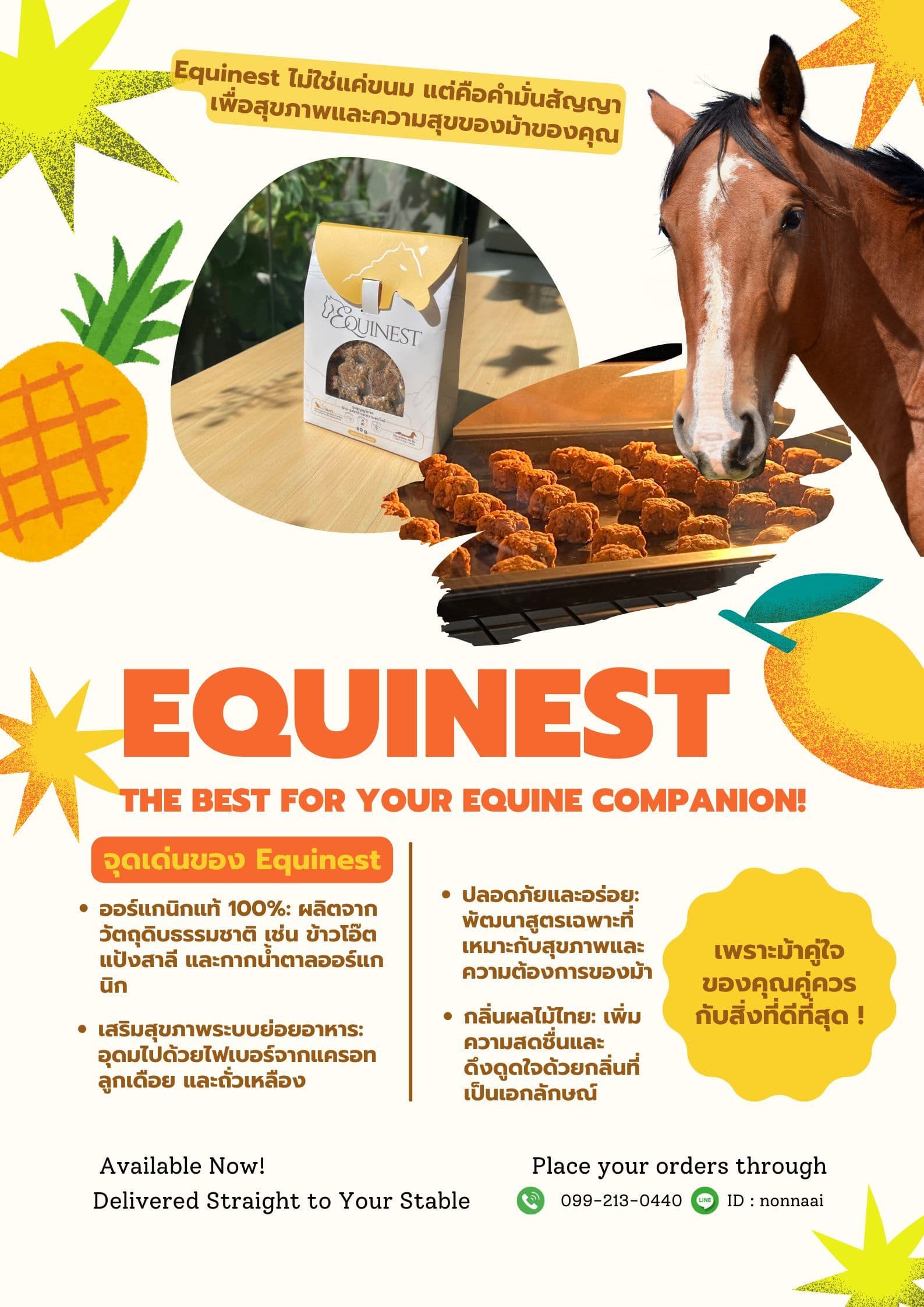
This research aims to develop a horse treat product that meets the nutritional and health needs of horses by using natural ingredients with beneficial properties, such as oats, wheat flour, corn flour, and organic molasses. These ingredients are rich in fiber, vitamins, and essential minerals for horses, while also enhancing digestive efficiency, reducing the risk of colic, and providing an appropriate energy source. The treat is designed with a shape suitable for a horse’s chewing behavior and is infused with Thai fruit flavors, such as pineapple and ripe mango, to attract horses and make consumption easier. The production process emphasizes cleanliness and safety by selecting organic ingredients and avoiding harmful preservatives. The packaging is designed to maintain product quality for an extended period, prevent moisture, and be convenient for horse owners to use. Additionally, the treat can be used as a reward during horse training, helping to strengthen the bond between the horse and its owner while reducing equine stress. This product serves as both a health-boosting snack and an effective training tool, making it suitable for horses that require highly nutritious supplements. It also provides a new option for horse owners seeking a safe and beneficial product for their horse’s overall well-being.

คณะเทคโนโลยีการเกษตร
Currently, Thailand is facing the issue of an aging agricultural workforce and a shortage of labor. The hiring process for agricultural workers is primarily based on word-of-mouth within a limited, narrow area. This may have indirect negative effects in various aspects, such as the lack of basic selection criteria (experience, skills), budget control, and hiring processes. As a result, the idea of creating a job platform specifically for farmers was conceived.Currently, Thailand is facing the issue of an aging agricultural workforce and a shortage of labor. The hiring process for agricultural workers is primarily based on word-of-mouth within a limited, narrow area. This may have indirect negative effects in various aspects, such as the lack of basic selection criteria (experience, skills), budget control, and hiring processes. As a result, the idea of creating a job platform specifically for farmers was conceived.
วิทยาลัยวิศวกรรมสังคีต
This project studies how to design a portable, sound-confining space that allows users to practice using their voices without disturbing the surroundings.