

-
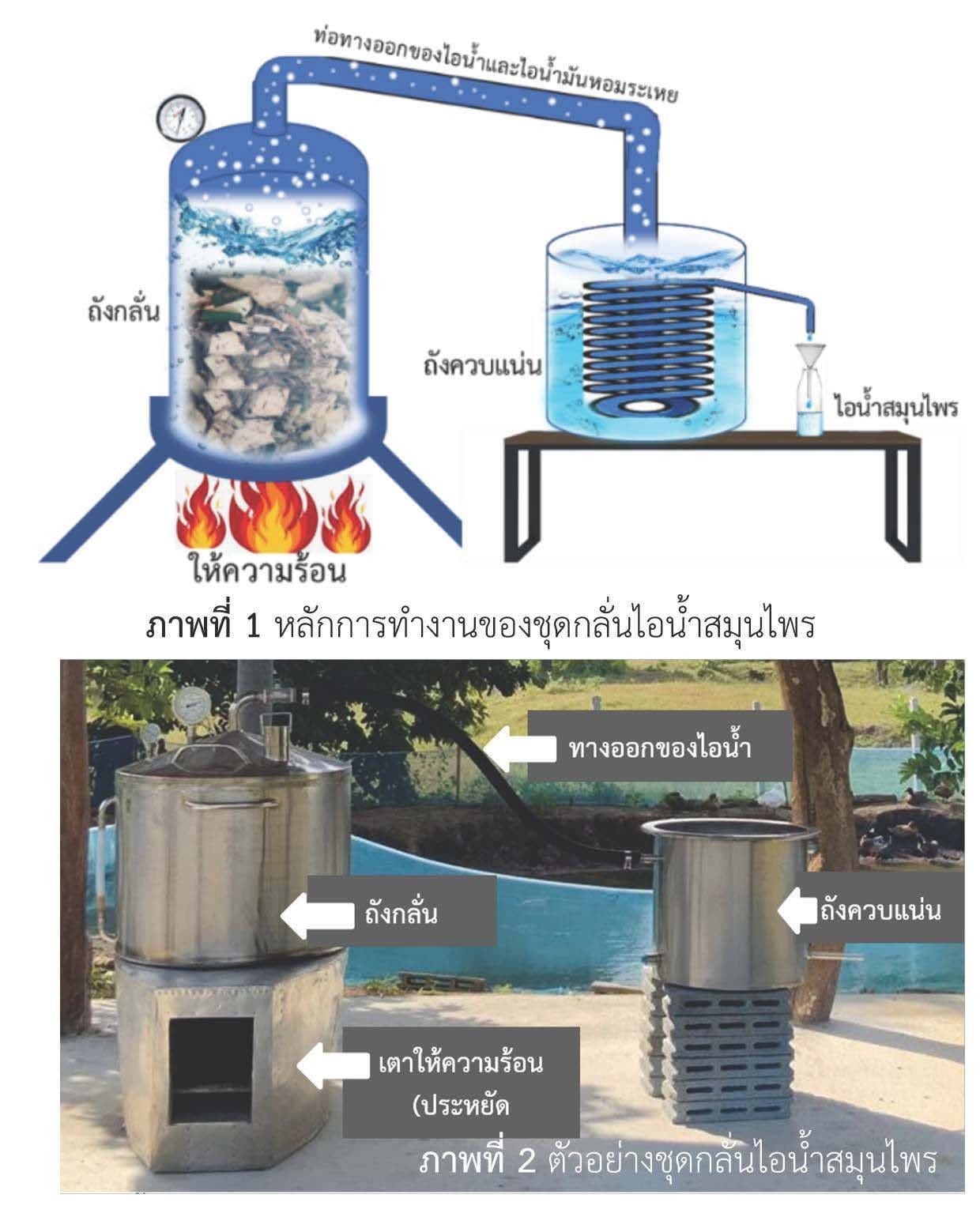
จากยุทธศาตร์ชาติที่ 5 ด้านการจัดการน้ำและสร้างการเติบโตบนคุณภาพชีวิตที่เป็นมิตรกับสิ่งแวดล้อมอย่างยั่งยืน ที่มีเป้าประสงค์เพื่อเพิ่ม eco-efficiency จากการใช้ทรัพยากรธรรมชาติอย่างมีคุณค่า ลดการใช้สารเคมีทางการเกษตร เพื่อลดปัญหาเรื่องการได้รับผลกระทบจากการใช้สารเคมีของเกษตรกร สารเคมีตกค้างในสินค้าเกษตรและสิ่งแวดล้อม มีความจำเป็นอย่างยิ่งที่ต้องมีการวิจัยเพื่อสร้างนวัตกรรมตอบโจทย์ที่ท้าทายกับปัญหาผลกระทบจากการได้รับสารเคมีโดยตรงของเกษตรกร ความต้านทานต่อสารเคมีทางการเกษตรของแมลงและไรศัตรูพืช รวมทั้งสารเคมีทางการเกษตรตกค้างในผลิตผลทางการเกษตรและสิ่งแวดล้อม ซึ่งการนำนวัตกรรมการใช้สารสกัดจากพืชสมุนไพร มาใช้ในการกำจัดแมลงและไรศัตรูทางการเกษตร เป็นทางเลือกที่สามารถบริหารจัดการทรัพยากรธรรมชาติเพื่อใช้ในการบริหารศัตรูพืชได้อย่างอย่างยั่งยืน จากรายงานการวิจัยของผู้รับผิดชอบโครงการก่อนหน้านี้พบว่าวิธีการกลั่นด้วยวิธีการต้มพืชสมุนไพรในน้ำ จะได้น้ำมันหอมระเหยจากพืชออกมา โดยน้ำมันหอมระเหยจากพืชสมุนไพรหลายชนิดสามารถป้องกันกำจัดแมลงศัตรูพืชได้หลายชนิด เช่น เพลี้ยแป้ง เพลี้ยไฟ เพลี้ยอ่อน แมลงหวี่ขาว หรือไรศัตรูพืช การผลิตสูตรน้ำมันหอมจากพืชมาใช้ในการป้องกันกำจัดแมลงเป็นไปได้โดยง่ายหากแต่ต้องซื้อน้ำมันหอมระเหยจากบริษัทผลิตน้ำมันหอมระเหยซึ่งมีราคาแพง ไม่คุ้มกับการลงทุน ชุมชนบ้านรางยอมได้ใช้ภูมิปัญญาของชาวบ้านในการสกัดน้ำมันหอมระเหยจากพืชสมุนไพรโดยใช้หลักการต้มเหล้าหรือกลั่นเหล้าในอดีต ของเหลวหลังจากการกลั่นจะประกอบด้วยน้ำมันหอมระเหยจากพืชและน้ำผสมกัน ชาวบ้านเรียกสารนี้ว่า “ไอน้ำสมุนไพร” จากกระบวนการกลั่นที่ประกอบด้วยหม้อต้มขนาด 50 ลิตร ใช้ฟืนเป็นแหล่งพลังงาน หล่อเย็นด้วยกระทะใบบัว พัฒนามาเป็นหม้อต้มขนาด 200 ลิตร ใช้ฟืนเป็นแหล่งพลังงานที่มีการดัดแปลงเป็นเตาประหยัดพลังงาน ทำให้เกิดนวัตกรรมด้านการเกษตรที่สามารถแก้ปัญหาการระบาดของแมลงศัตรูในพืชปลูกได้อย่างยั่งยืน มีรายได้เพิ่มขึ้นจากการลดการใช้สารฆ่าแมลง ไม่เป็นอันตรายต่อเกษตรกร ผู้บริโภค และไม่มีสารพิษตกค้างในสภาพแวดล้อมอีกด้วย ขณะที่ยังมีชุมชนที่ด้อยโอกาสด้านการพัฒนาเทคโนโลยีอีกมากมายที่ยังขาดแคลนทุนทรัพย์ในการผลิต “ชุดกลั่นไอน้ำสมุนไพร” หรือขาดองค์ความรู้ด้านการผลิตที่ถูกต้อง ซึ่งหากมีการดำเนินการให้มีความเสมอภาคกันของการใช้เทคโนโลยีนี้ จะสามารถทำให้ชีวิตความเป็นอยู่ของเกษตรกรก็จะดีขึ้นตามไปด้วย
คณะอุตสาหกรรมอาหาร
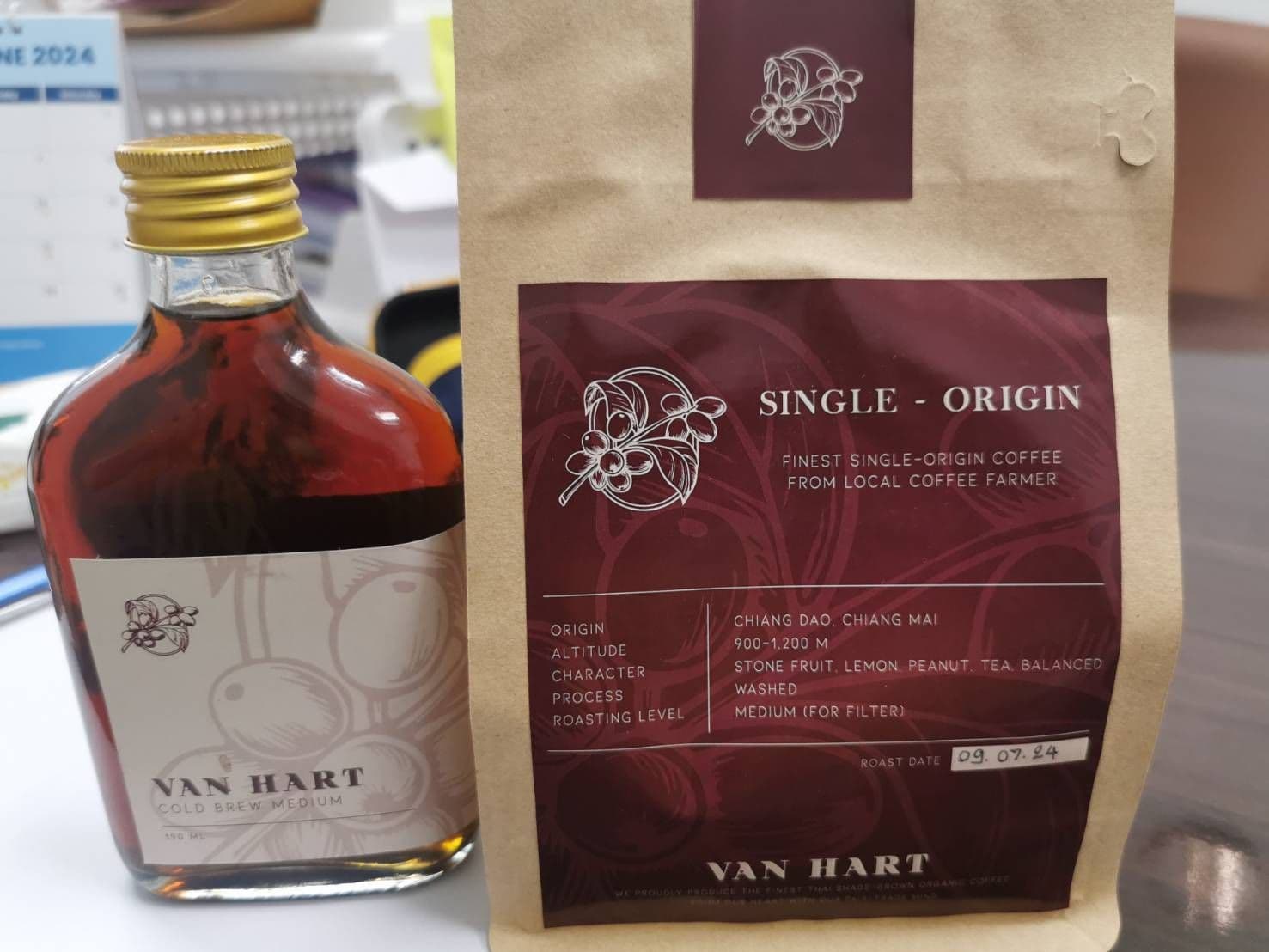
Coffee is a critical agricultural commodity to be used to produce a premium beverage to serve people worldwide. Coffee microbiome turned to be an essential tool to improve the bean quality through the natural fermentation. Therefore, understanding the microbial diversities could create the final product's better quality. This study investigated the natural microbial consortium during the wet process fermentation of coffee onsite in Thailand to characterize the microorganisms involved in correlation toward the biochemical characteristics and metabolic attributes. Roasting is another important step in developing the complex flavor/ aroma that make coffee to be enjoyable. During the roasting process, the beans undergo many complex and alternatively change in the physicochemical properties from the gained substances in the fermentation process. The changing in the formation of the substances responsible for the sensory qualities, physicochemical/ aroma attributes as well as the health benefits of the final product. Using the starter culture could also develop the distinguished characteristics of coffee (Research collaboration with Van Hart company)

คณะสถาปัตยกรรม ศิลปะและการออกแบบ
Here, We Luckier in Love Everyday". Introducing you a Lakshmi 2025 Edition. Amidst the buzz of the mall, take charge of your love destiny—because fate is so last season.
คณะสถาปัตยกรรม ศิลปะและการออกแบบ
This project is a carbon safe haven of Bangkok, aspiring to be the prototypal gateway of the future's carbon net zero ambitions. The project aims to answer the fundamental "flaw" of the existing urban fabric, still being extremely inefficient and highly polluting. Conversely, Carbon Oasis would not only create its own energy, but look to provide its excess energy and water surplus' back to the city and its surroundings. Taking parts of the existing city and implementing new concepts to inspire a change in the urban fabric and its people.