

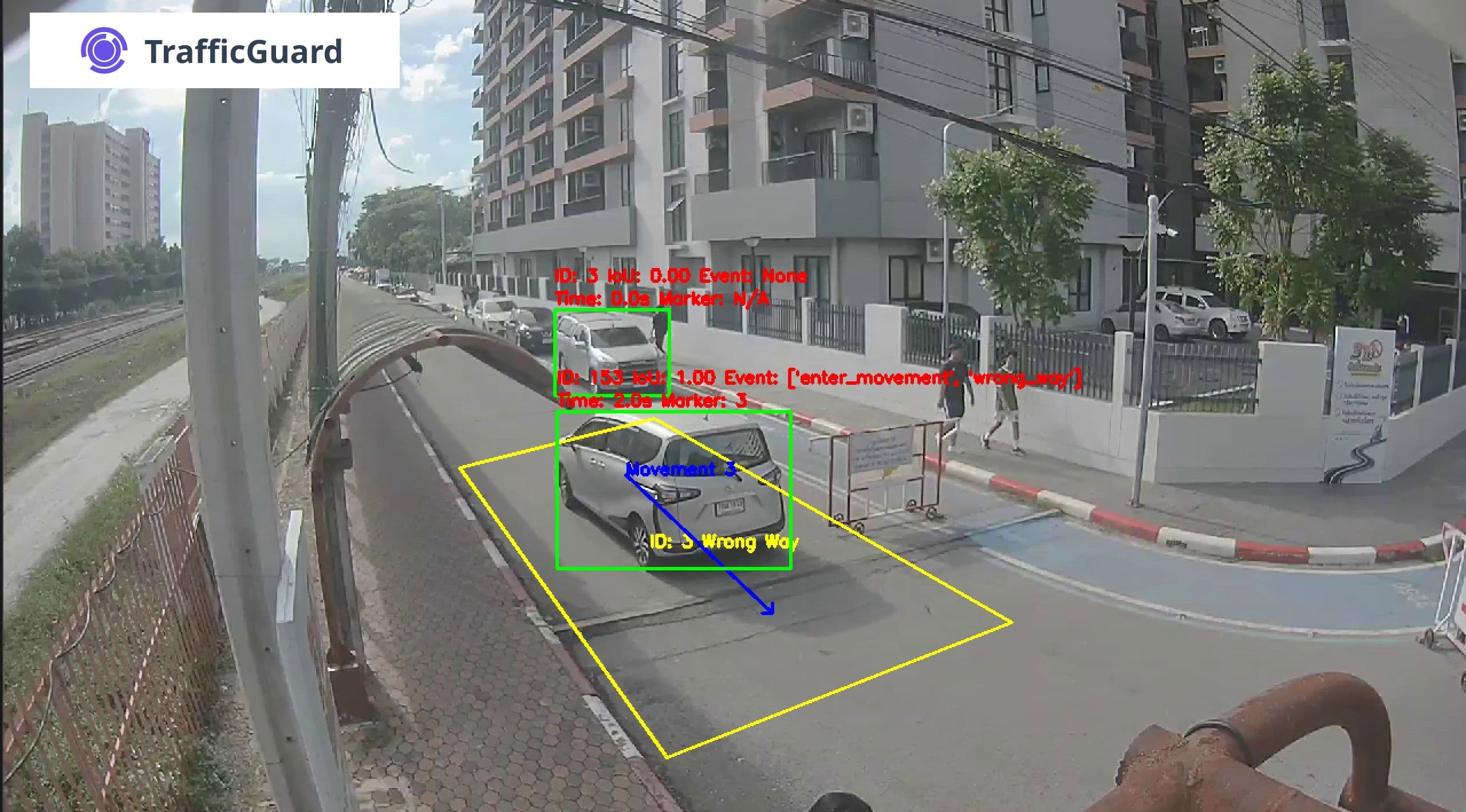
This project develops a platform using computer vision to analyze real-time CCTV footage for detecting traffic law violations, such as crossing solid lines. The system can automatically identify and record traffic rule infringements, improving law enforcement efficiency and reducing the workload of traffic police officers. Moreover, it plays a crucial role in developing smart city systems by integrating data to enhance traffic management and road safety.
ในปัจจุบัน ปัญหาการจราจรและอุบัติเหตุบนท้องถนนเป็นประเด็นสำคัญที่ส่งผลกระทบต่อคุณภาพชีวิตของประชาชนและการพัฒนาเมือง การฝ่าฝืนกฎจราจร โดยเฉพาะการขับรถทับเส้นทึบ เป็นสาเหตุหลักของอุบัติเหตุและการจราจรติดขัด แม้จะมีการติดตั้งกล้องวงจรปิดอย่างแพร่หลาย แต่การตรวจสอบภาพจำนวนมากโดยเจ้าหน้าที่มนุษย์นั้นมีข้อจำกัดด้านประสิทธิภาพและความแม่นยำ ความก้าวหน้าทางเทคโนโลยีคอมพิวเตอร์วิทัศน์และปัญญาประดิษฐ์ เปิดโอกาสให้สามารถพัฒนาระบบอัตโนมัติที่มีประสิทธิภาพสูงในการตรวจจับและวิเคราะห์พฤติกรรมการขับขี่ที่ผิดกฎหมาย การนำเทคโนโลยีเหล่านี้มาประยุกต์ใช้ในการบังคับใช้กฎหมายจราจรจะช่วยเพิ่มความปลอดภัยบนท้องถนน ลดภาระของเจ้าหน้าที่ และสนับสนุนการตัดสินใจเชิงนโยบายด้านการจราจรได้อย่างมีประสิทธิภาพ นอกจากนี้ แนวคิดเรื่องเมืองอัจฉริยะ (Smart City) กำลังได้รับความสนใจอย่างมากในการพัฒนาเมืองสมัยใหม่ การบูรณาการระบบตรวจจับการกระทำผิดกฎจราจรอัตโนมัติเข้ากับโครงสร้างพื้นฐานของเมืองอัจฉริยะ จะช่วยยกระดับการบริหารจัดการเมืองและคุณภาพชีวิตของประชาชน ด้วยเหตุนี้ การพัฒนาแพลตฟอร์มที่ใช้คอมพิวเตอร์วิทัศน์ในการตรวจจับการกระทำผิดกฎจราจรจึงมีความสำคัญอย่างยิ่ง เพื่อแก้ไขปัญหาการจราจร เพิ่มความปลอดภัยบนท้องถนน และสนับสนุนการพัฒนาเมืองอัจฉริยะในอนาคต
คณะอุตสาหกรรมอาหาร
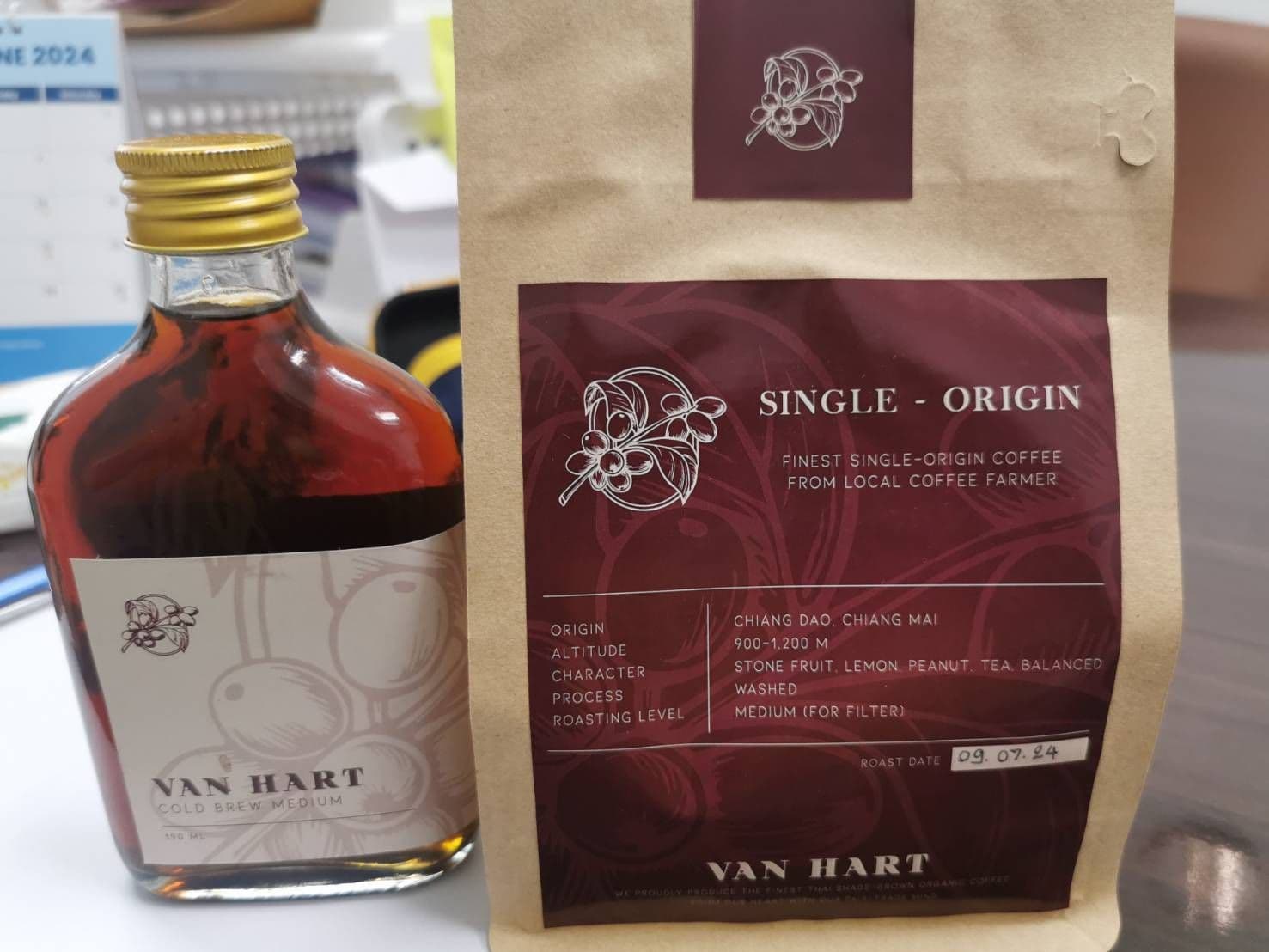
Coffee is a critical agricultural commodity to be used to produce a premium beverage to serve people worldwide. Coffee microbiome turned to be an essential tool to improve the bean quality through the natural fermentation. Therefore, understanding the microbial diversities could create the final product's better quality. This study investigated the natural microbial consortium during the wet process fermentation of coffee onsite in Thailand to characterize the microorganisms involved in correlation toward the biochemical characteristics and metabolic attributes. Roasting is another important step in developing the complex flavor/ aroma that make coffee to be enjoyable. During the roasting process, the beans undergo many complex and alternatively change in the physicochemical properties from the gained substances in the fermentation process. The changing in the formation of the substances responsible for the sensory qualities, physicochemical/ aroma attributes as well as the health benefits of the final product. Using the starter culture could also develop the distinguished characteristics of coffee (Research collaboration with Van Hart company)

คณะวิทยาศาสตร์
Air pollution, particularly PM2.5, is a major environmental and public health concern in Bangkok. Instead of predicting PM2.5 levels, this project aims to identify the most significant factors influencing PM2.5 concentration. By analyzing historical air quality, weather, and other environmental data, we will determine which variables—such as temperature, humidity, wind speed, or other pollutants—have the greatest impact on PM2.5 fluctuations.
คณะสถาปัตยกรรม ศิลปะและการออกแบบ
---