

Migraine, a prevalent neurological disorder, is the third most common disease globally, causing significant health and financial burdens. It has four stages: prodrome, aura, headache, and postdrome. The prodrome (also known as premonitory) stage is crucial as it precedes the headache by up to 72 hours. Taking medication during the premonitory peroid has shown to prevent the headache phase . However, the symptoms of premonitory period lack specificity, making it difficult for patients to know if they’re experiencing premonitory symptoms. Calcitonin-gene related peptide (cGRP),is a protein that plays a key role in migraine pathogenesis and studies found that salivary cGRP levels increase during the premonitory stage. This study aims to develop and evaluate a lateral flow immunoassay kit for detecting salivary cGRP levels in migraine patients during the prodrome stage. It can serve as a confirmation tool for premonitory symptoms.
This study has the potential to greatly improve the management and prevention of migraine. The early detection and management could potentially reduce the frequency and severity of migraines, thereby improving the quality of life for patients and reducing their overall burden. Moreover, the confirmatory test for premonitory symptoms provided by this study could help reduce medication overuse, resulting in cost savings for patients, minimizing potential side effects, and potentially lowers the incidence of medication-overuse headaches. Additionally, by providing patients with a predictive tool, the study promotes patient-centered care and encourages patients to take an active role in managing their migraines. The study may also increase awareness and education surrounding premonitory symptoms. Furthermore, if successful, this study could open up for more new, non-invasive, reliable, and accessible approaches to migraine management and prevention.
วิทยาเขตชุมพรเขตรอุดมศักดิ์
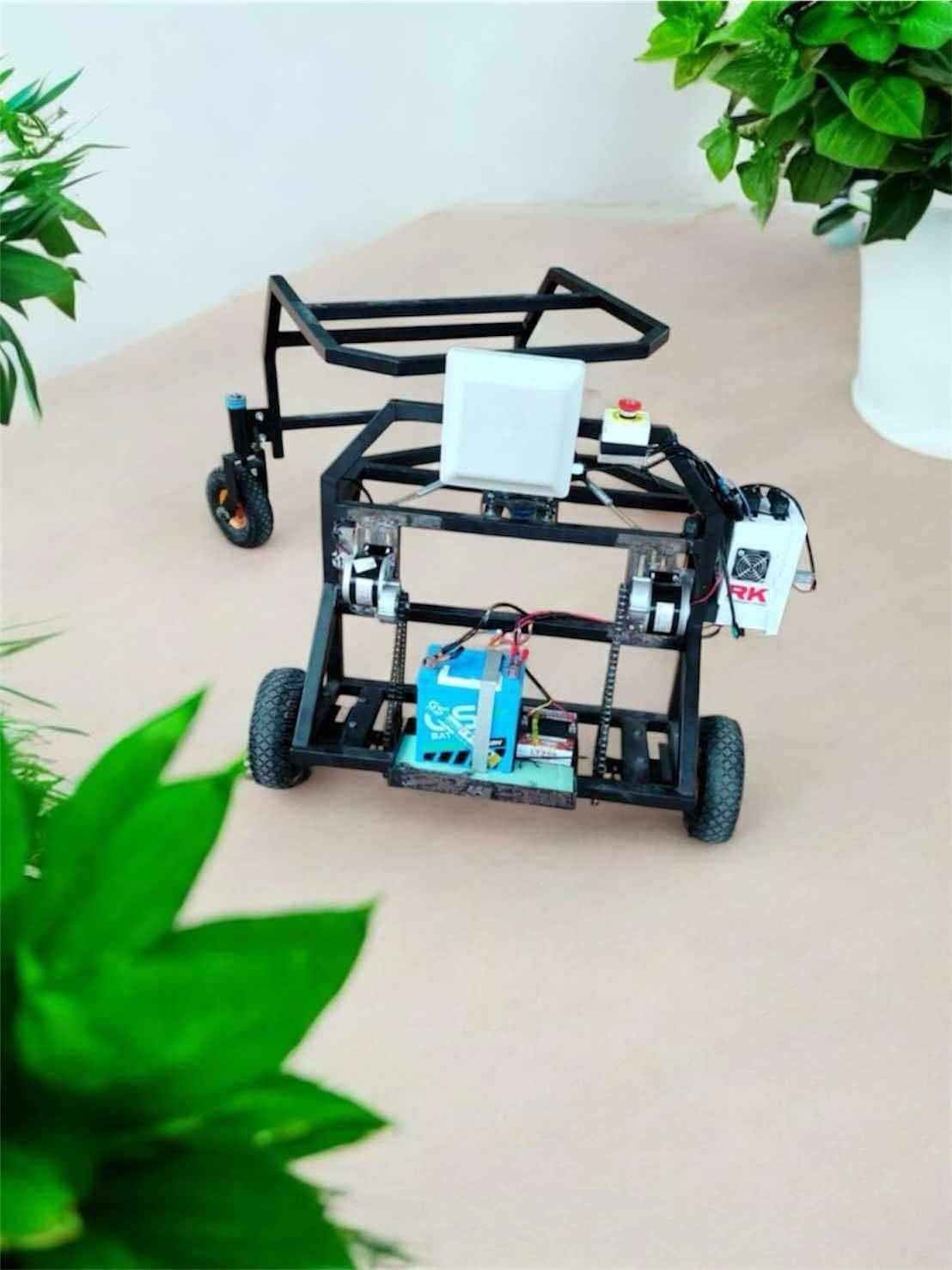
This project aims to design and develop a propulsion system for agricultural equipment using RFID technology and evaluate its movement performance on different surfaces, including concrete and grass. The experiment focuses on examining the tag detection range under transmission power levels of 20 dBm, 23 dBm, and 26 dBm, as well as the impact of antenna angles on detection efficiency. Additionally, the system was tested in three movement scenarios: straight path, left turn, and right turn, at distances of 2 meters, 4 meters, and 6 meters. The results indicate that the system achieved the highest average speed of 0.4736 m/s and an average turning angle of 91.6° when moving in a straight path on a concrete surface at a distance of 4 meters. On a grass surface at the same distance, the average speed was 0.4483 m/s, with an average turning angle of 91.1°. For left and right turns, the movement on the concrete surface generally exhibited a higher average speed than on grass, particularly at a distance of 4 meters, where differences in turning angles were observed. This study provides insights into the factors affecting the movement of agricultural mowing equipment and serves as a foundation for enhancing the efficiency of propulsion systems in future developments.

วิทยาลัยการจัดการนวัตกรรมและอุตสาหกรรม
This research aims to develop a horse treat product that meets the nutritional and health needs of horses by using natural ingredients with beneficial properties, such as oats, wheat flour, corn flour, and organic molasses. These ingredients are rich in fiber, vitamins, and essential minerals for horses, while also enhancing digestive efficiency, reducing the risk of colic, and providing an appropriate energy source. The treat is designed with a shape suitable for a horse’s chewing behavior and is infused with Thai fruit flavors, such as pineapple and ripe mango, to attract horses and make consumption easier. The production process emphasizes cleanliness and safety by selecting organic ingredients and avoiding harmful preservatives. The packaging is designed to maintain product quality for an extended period, prevent moisture, and be convenient for horse owners to use. Additionally, the treat can be used as a reward during horse training, helping to strengthen the bond between the horse and its owner while reducing equine stress. This product serves as both a health-boosting snack and an effective training tool, making it suitable for horses that require highly nutritious supplements. It also provides a new option for horse owners seeking a safe and beneficial product for their horse’s overall well-being.
คณะวิศวกรรมศาสตร์
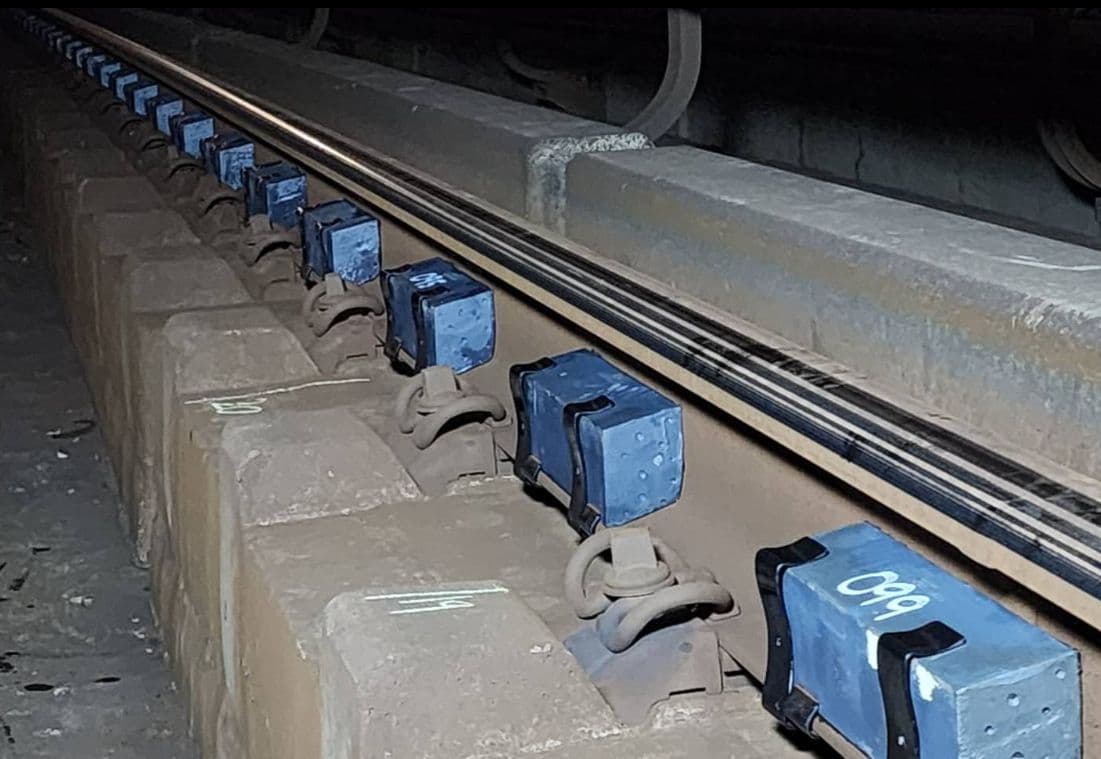
Nowadays, rail transportation has a significant impact on people's lives and economic growth. Consequently, the number of rail systems being built around our country has dramatically increased. This process causes various types of pollution, such as noise and rail-way vibration, which can badly affect the life of citizens who live nearby. The most popular way to solve this problem recently is to decrease the noise from the sound source or to adjust the vibration by attaching a Track Damper to the railway. This technique is being used in many countries especially in Europe and Australia because it is cheap and has high efficiency. The key piece called Track Dampers are made by AUT company’s Thailand for a period of time. The company produces Track Dampers for the owner of the technology so as to sell more than 300,000 pieces of it overseas. Furthermore, the demand of Track Dampers grows as the railway systems expand. Unfortunately, the imported synthetic materials, which are used to create Track Dampers, are made from environmentally unfriendly sources. As a result, this research aims to develop the product to be environmentally-safe by replacing some imported materials with Thai’s local content; which are natural rubber and rubber crumbs. Furthermore, the product will be added value by mounting with embedded sensors for real-time monitoring of track vibration, noise, and rail temperature. All embedded devices developed will sense, collect, and automatically send to cloud by wireless technology platform. The AI and IOT platform will also be developed for safety, security, and maintenance proposed of railway track system. However, in conducting research, there will be close collaboration with AUT company through design, production, and testing. The outcome of this research is to upgrade AUT company from tier 2 manufacturer (TRL 8-9) to tier 1 manufacturer (TRL 7-8) which will be served the Thailand competitiveness enhancing strategic goal.