

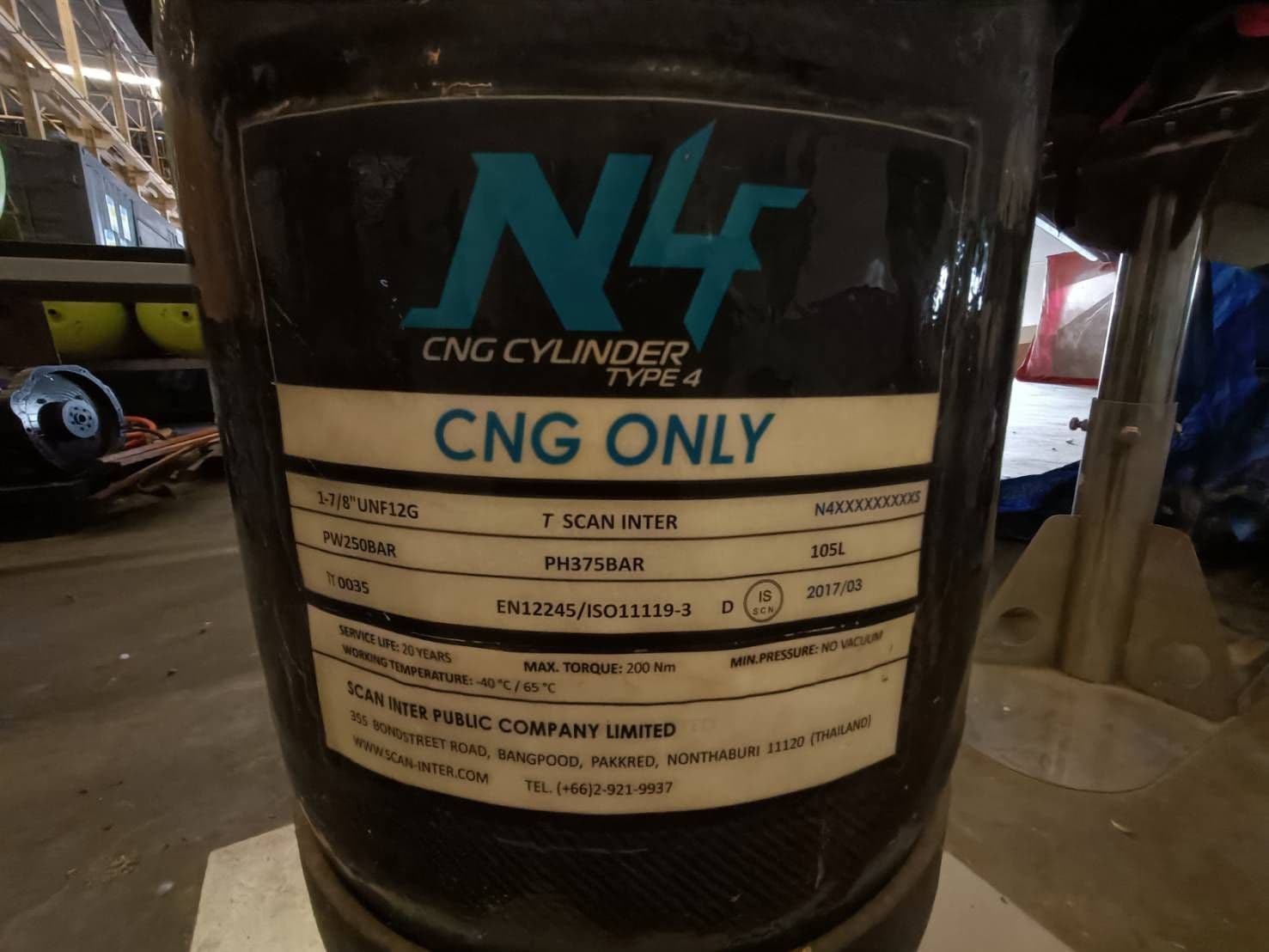
A high-pressure gas storage tank made from composite materials, including carbon fiber, resin, and plastic, is designed for storing compressed natural gas (CNG) or hydrogen. This type of tank is classified as a Type IV high-pressure vessel. In this research, it is designed to operate at a pressure of 250 bar for the transportation of compressed natural gas.
การบรรจุก๊าซที่ความดันสูงต้องใช้บรรจุภัณฑ์ที่มีความแข็งแรง การใช้ถังที่ผลิตจากโลหะถูกนำมาใช้ในช่วงแรกๆ แต่ปัญหาที่ตามมาคือน้ำหนักมากทำให้สิ้นเปลืองเชื้อเพลิงในกรณีที่นำไปติดตั้งบนยานพาหนะ จึงเกิดการพัฒนาถังความดันที่พัฒนาจากวัสดุประกอบขึ้นซึ่งจะช่วยลดน้ำหนักของบรรจุภัณฑ์และการกัดกร่อนเกิดขึ้นน้อย

คณะสถาปัตยกรรม ศิลปะและการออกแบบ
A Photographic series that expresses the abstract states of myself, towards the question of existence that results from being surrounded by expectations of both surrender and freedom of expression, this series focuses on my own subjectivities in order to bring back memories of almost forgotten feelings and make them clear once more.
คณะเทคโนโลยีการเกษตร
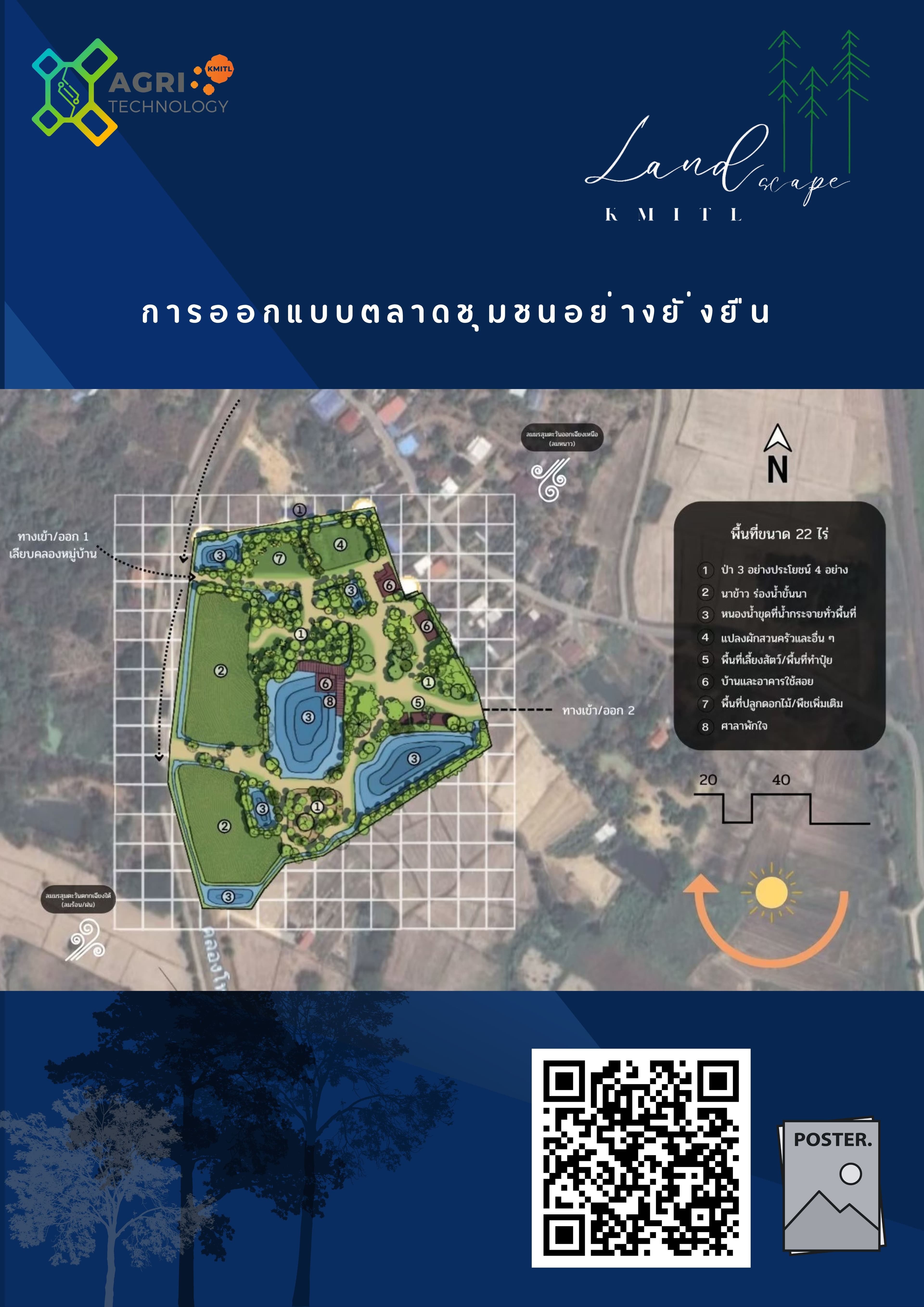
The design site of 22 hectares of agricultural land in this area is located in Tatata District, Iglenburg Province. The design concept of this area aims to encourage farmers and communities to earn income from the agricultural products produced in this area, and emphasizes that this area is a "living market", which can not only create food from a variety of crops, but also establish a balanced ecosystem and promote biodiversity in this area. The market will become a sustainable market area, which is not only beneficial to society in promoting economy, but also beneficial to the environment. The area will serve as a social and learning center, where community members can fully exchange agricultural information and experience and stimulate the economy in the community in another way.

คณะวิศวกรรมศาสตร์
Under The National Broadcasting and Telecommunications Commission (NBTC), the Telecommunication Enforcement Bureau collects a lot of data on service quality by monitoring and controlling the quality of telecommunications services, mainly by assessing mobile network infrastructure. The NBTC used Microsoft Excel for data analysis but became ineffective and slow. We used Python programming for preparation, analysis, and data processing to address this. Raw data was obtained from the Syberiz program in CSV format, processed in Python, and displayed on a dashboard. The dashboard, developed using Power BI, meets NBTC's telecommunications quality standards. It features maps, test results, and graphical representations. This method enhances the dashboard's appearance and usability and speeds up data processing and visualization compared to Microsoft Excel. This project is primarily designed to help the Telecommunication Enforcement Bureau's operations by making data processing and display for telecommunications quality monitoring faster, more effective, and easier to use.