

Efficient logistics management requires the development of advanced tools to streamline delivery operations. This study aims to optimize vehicle routes for an animal feed store and develop a web-based application for route planning. The research compares two optimization methods: the Branch and Bound Method and Clustering with the Branch and Bound Method. These methods are evaluated against the store’s existing delivery route by analyzing differences in average travel distance across three dependent groups using Repeated Measures ANOVA. The findings reveal a statistically significant difference in average daily travel distances among the three methods at a 0.05 significance level. The Branch and Bound Method yields the shortest average daily travel distance. Additionally, pairwise comparisons of total daily travel distances using the Paired t-test confirm that the Branch and Bound Method produces the most efficient route with statistical significance at 0.05 level. Implementing this method can reduce total travel distance by 957.51, representing a 30.88% reduction, which translates into fuel cost savings of 2,579.45 THB per month. Based on these results, the Branch and Bound Method was selected for implementation in a web-based application. The application features an intuitive user interface, product inventory management, and optimized daily delivery route recommendations for the case study store. Following development, the web application was deployed and tested in real-world operations. The results demonstrate that it effectively provides map-based route recommendations, ensuring ease of use and accessibility on standard mobile devices.
การขนส่งเป็นสิ่งที่เกี่ยวข้องกับการดำเนินชีวิตประจำวันของมนุษย์ไม่ว่าจะเป็นการเดินทางไปทำกิจกรรมต่าง ๆ หรือในแง่ของการเคลื่อนย้ายสินค้าไปยังผู้บริโภค การขนส่งทำให้เกิดประโยชน์ทางด้านสถานที่และเวลา มีความสำคัญต่อการพัฒนาเศรษฐกิจและสังคมของประเทศ ในภาคธุรกิจและอุตสาหกรรมการขนส่ง คือ ปัจจัยสำคัญในการดำเนินธุรกิจให้มีความมั่นคง ในปี พ.ศ. 2565 - 2567 คาดว่าธุรกิจขนส่งสินค้าทางถนนจะขยายตัวอย่างค่อยเป็นค่อยไป ตามความต้องการขนส่ง สินค้าที่เพิ่มขึ้นทั้งในและต่างประเทศ แต่การแข่งขันที่รุนแรง ต้นทุนค่าแรงงานและเชื้อเพลิงที่ยังทรงตัวสูง อาจฉุดรั้งผลประกอบการของธุรกิจ โดยเฉพาะผู้ประกอบการรายเล็ก และผู้ประกอบการที่ไม่มีเครือข่ายพันธมิตร (ปิยะนุช, 2565) จึงทำให้กดดันผู้ประกอบการอย่างมาก ผู้ประกอบการรายเล็กที่ไม่มีกำลังมากพอในการใช้บริษัทขนส่ง และต้องส่งสินค้าทีละมาก ๆ ทำให้ต้นทุนที่ใช้เพิ่มขึ้นสูง กำไรที่ได้จากการขายสินค้าลดลง ซึ่งผู้ประกอบการที่ใช้รถส่วนตัวในการส่งสินค้า จะต้องเสียค่าใช้จ่ายในการขนส่ง เช่น ค่าน้ำมัน ค่าจ้างคนขับรถ และการขนส่งที่ใช้เวลามากเกินไป อาจทำให้เกิดความเสียหายต่อสินค้าได้ ด้วยเหตุนี้ทำให้ผู้ประกอบการต้องคำนึงถึงคุณภาพของสินค้า และการส่งมอบสินค้าใช้ระยะเวลาและระยะทางที่สั้นที่สุด เพื่อให้ลดต้นทุนค่าขนส่ง และส่งมอบได้ตรงตามความต้องการและความพึงพอใจของผู้อุปโภคบริโภค กล่าวคือมีความสะดวกรวดเร็ว ความปลอดภัย ตรงต่อเวลาและประหยัด ระบบขนส่งที่ดีนั้นจำเป็นที่จะต้องอาศัยการวางแผนการขนส่งที่ทำอย่างถูกต้องและมีประสิทธิภาพ ทำให้มีการวางแผนการขนส่งที่จะทำให้การจัดเส้นทางการเดินรถขนส่งสินค้าให้เป็นไปอย่างเหมาะสม การจัดเส้นทางการขนส่งจึงมีความสำคัญมากที่จะมาช่วยให้ธุรกิจได้ผลกำไรเพิ่มมากขึ้นและช่วยลดต้นทุน โดยเฉพาะอย่างยิ่งในช่วงที่ราคาน้ำมันเชื้อเพลิงปรับตัวสูงขึ้น ร้าน จ.เจริญอาหารสัตว์ เป็นร้านขายอาหารสัตว์ที่มีการบริการขนส่งอาหารกุ้งเป็นส่วนใหญ่ รายการสินค้าที่ส่งในแต่ละวันไปยังลูกค้ารายย่อย ๆ มีรถบรรทุก 4 ล้อ โดยทางร้านยังไม่มีแผนการจัดเส้นทางขนส่งสินค้า ทำให้ในการขนส่งในแต่ละวันมีระยะทางและเวลามากขึ้นที่อาจทำให้เพิ่มต้นทุนโดยไม่จำเป็น หากมีการวางแผนการจัดเส้นทางการส่งสินค้าจะเข้ามาช่วยในการวางแผนการจัดเส้นทางการขนส่งทำให้ลดระยะเวลาขนส่งสินค้า และทำให้ส่งสินค้าภายในเวลาที่กำหนด เมื่อระยะทางที่ใช้ในการขนส่งลดลง ส่งผลโดยตรงต่อต้นทุนการขนส่งของทางร้านลดลง ผู้วิจัยได้เล็งเห็นถึงปัญหา และสนใจการวางแผนการจัดเส้นทางการขนส่งของร้าน จ.เจริญ อาหารสัตว์ให้เหมาะสมและมีประสิทธิภาพมากยิ่งขึ้น โดยมีเป้าหมายเพื่อหาเส้นทางที่ใช้ในการขนส่งที่สั้นที่สุด และสร้างแอปพลิเคชันในการแนะนำเส้นทางให้กับผู้ขับรถเป็นแนวทางในการจัดส่งสินค้าในเส้นทางที่เหมาะสม

คณะวิศวกรรมศาสตร์
This project focuses on developing a test device for an AC charger for electric vehicles according to the IEC 61851-1 Annex A standard by simulating the test circuit inside an electric vehicle according to the standard to test the operation of the AC charger. The test topic is related to the communication between the electric vehicle and the charger via a Pulse Width Modulation (PWM) control circuit system and creating an operation manual (WI) to prepare for testing in accordance with ISO/IEC 17025 standards, which are general requirements for laboratory capabilities in conducting tests and/or calibrations. The overall picture of this project is to develop test equipment and create an operation manual by collecting knowledge and various devices and then comparing the data to meet the abovementioned standards to test the Type II AC charger in each state. The test equipment consists of a communication part between the test equipment and the AC charger using a PLC S7-1200 and an HMI to control the operation of the switches in the test equipment circuit, including controlling parameters and displaying results. The equipment used to measure values is an oscilloscope and a multimeter that have undergone a calibration process to comply with the specified standards.
คณะวิศวกรรมศาสตร์
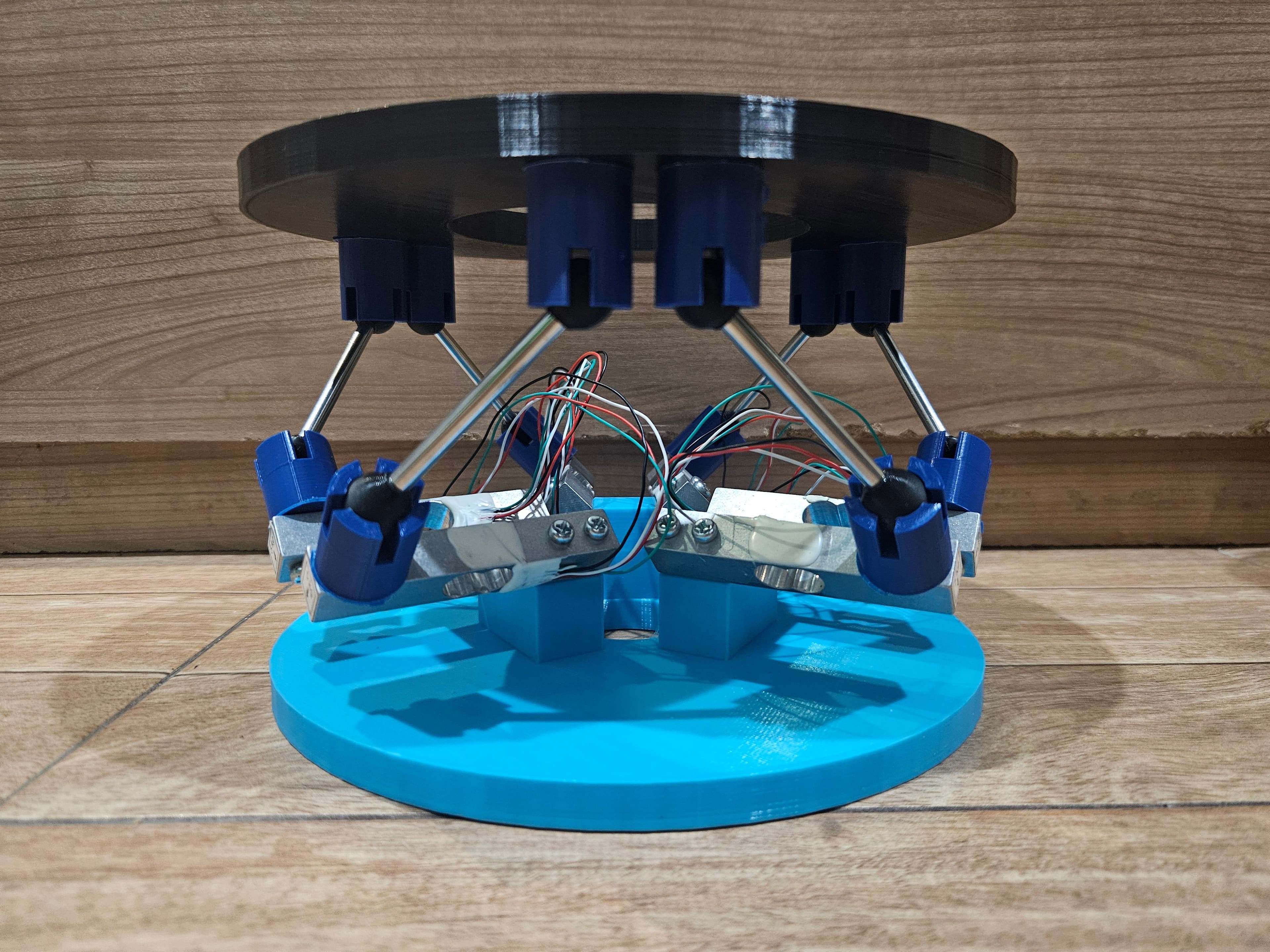
This research project focuses on the design and development of a Manual Control Robot using Load Cell technology to enhance precision and reduce the time required for robot control. The use of automation robots in industries still presents challenges due to the complexity of programming and control. Therefore, developing a manual control system that responds to force input in all directions can significantly improve the efficiency of robots, making them more suitable for tasks requiring precise and intricate control. The study integrates Load Cell sensors, an HX711 amplifier circuit, and an Arduino UNO R3 to develop a control module that translates user-applied forces into commands for an RV-7FRL-D industrial robotic arm. Additionally, MATLAB is utilized for processing Load Cell data to analyze and optimize the robot’s movement accuracy. The results demonstrate that the developed system effectively reduces robot setup time while simplifying and improving control flexibility. This project represents a crucial step in enhancing the capabilities of industrial robots, allowing for seamless human-robot interaction through a manual control system that directly responds to user-applied forces.
วิทยาลัยการจัดการนวัตกรรมและอุตสาหกรรม
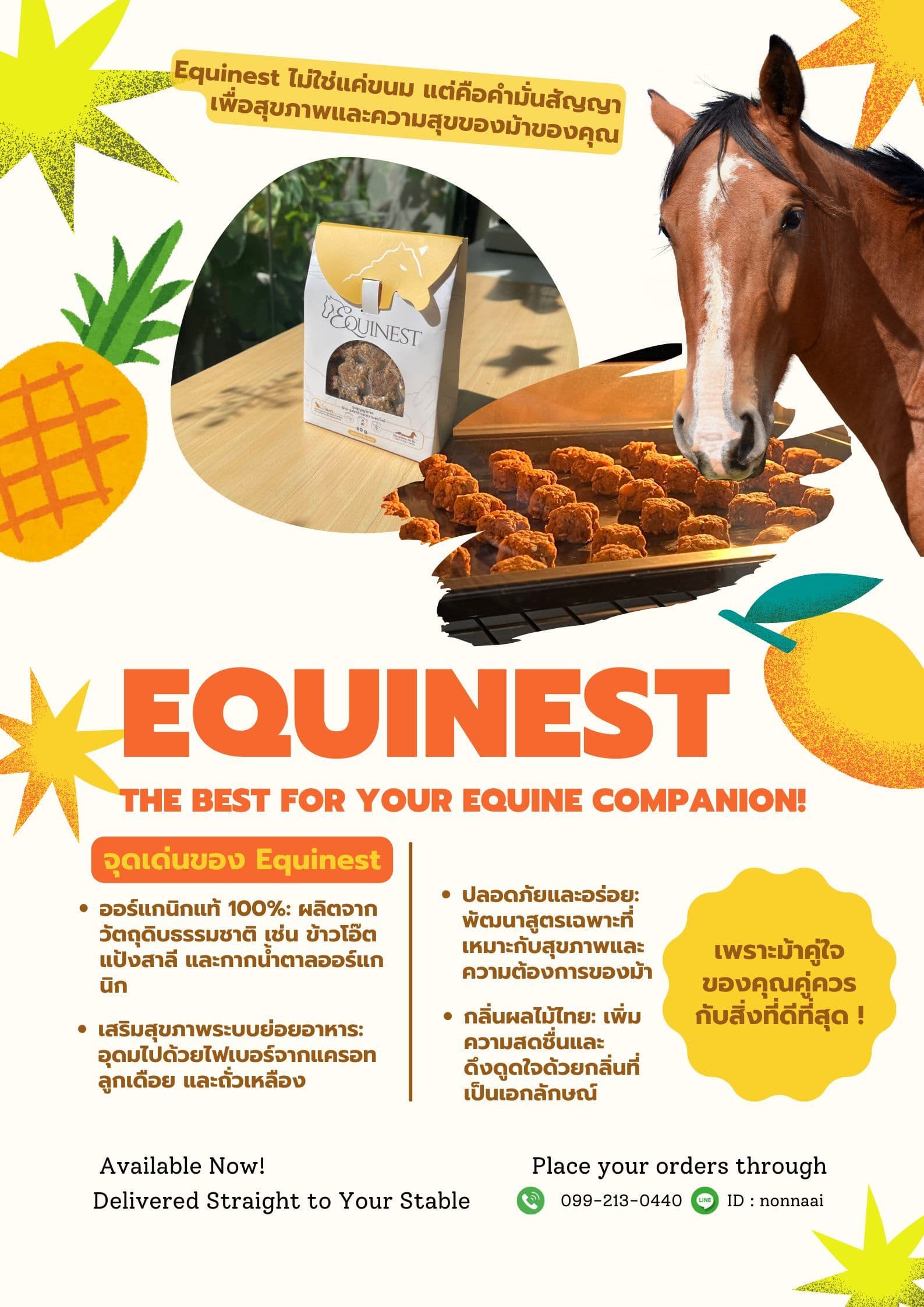
This research aims to develop a horse treat product that meets the nutritional and health needs of horses by using natural ingredients with beneficial properties, such as oats, wheat flour, corn flour, and organic molasses. These ingredients are rich in fiber, vitamins, and essential minerals for horses, while also enhancing digestive efficiency, reducing the risk of colic, and providing an appropriate energy source. The treat is designed with a shape suitable for a horse’s chewing behavior and is infused with Thai fruit flavors, such as pineapple and ripe mango, to attract horses and make consumption easier. The production process emphasizes cleanliness and safety by selecting organic ingredients and avoiding harmful preservatives. The packaging is designed to maintain product quality for an extended period, prevent moisture, and be convenient for horse owners to use. Additionally, the treat can be used as a reward during horse training, helping to strengthen the bond between the horse and its owner while reducing equine stress. This product serves as both a health-boosting snack and an effective training tool, making it suitable for horses that require highly nutritious supplements. It also provides a new option for horse owners seeking a safe and beneficial product for their horse’s overall well-being.