

The objective of this research is to utilize waste slag in industrial applications and help mitigate flooding, water accumulation, and ponding issues. Currently, slag from the steel smelting or refining process is commonly used as a component in construction materials, such as road surfaces. However, slag has properties that make it difficult for water to permeate, leading to poor drainage and increased flooding problems. This study focuses on improving the properties of pavement materials to enhance their strength and water permeability. This can be achieved through physical structural modifications or the addition of chemical agents such as HPMC, which increases void spaces to facilitate water absorption and drainage according to required standards. The utilization of waste slag not only helps reduce production costs and improve material performance but also minimizes environmental impacts and promotes the sustainable use of resources.
ในปัจจุบันตะกรันที่เหลือจากการถลุงเหล็กหรือหลอมเหล็กนั้นมีอยู่เป็นจำนวนมากส่วนใหญ่จะใช้ในการนำไปเป็นส่วนผสมของการทำถนนแต่ยังไม่สามารถทำให้น้ำซึมผ่านถนนไปได้ จึงเกิดเป็นแรง บันดาลใจที่จะนำตะกรันมาทำเป็นวัสดุปูพื้นระบายน้ำ เพื่อแก้ปัญหาน้ำท่วมหรือน้ำขังเป็นแอ่งมีความแข็งแรง ทนทาน สามารถรับน้ำหนักของสิ่งที่มีน้ำหนักมากๆและมีระยะเวลาในการใช้งานได้นานโดยโครงการนี้จะมุ่งเน้นในการศึกษาและปรับปรุงคุณสมบัติวัสดุปูพื้นให้มีความแข็งแรงและระบายน้ำได้ดี เช่น การปรับโครงสร้างด้านกายภาพ หรือทางเคมี เช่น การใส่ส่วนผสมของ เถ้าลอยแคลเซียมคาร์บอเนต เพื่อเพิ่มความแข็งแรงให้กับวัสดุปูพื้น จากนั้นนำ HPMC มาใส่เพื่อให้ซีเมนต์ไม่จับตัวเป็นก้อนจนไม่สามารถให้น้ำไหลผ่าน การที่ใส่ HPMC จะช่วยเพิ่มช่องว่างในการซึมผ่านหรือระบายน้ำได้ได้ดีขึ้นตามอัตราส่วนที่ต้องการหรือได้ตามมาตรฐาน การนำตะกรันเหลือทิ้งมาใช้จะไม่เพียงแค่ช่วยลดต้นทุนและเพิ่มประโยชน์การใช้งานเท่านั้น แต่ยังช่วยส่งเสริมการใช้ทรัพยากรให้มีค่าทุกๆสัดส่วน แม้กระทั่งตะกรันเหลือทิ้งจากการถลุงเหล็ก และลดผลกระทบต่อสิ่งแวดล้อมในกระบวนการผลิตและการใช้งาน
คณะสถาปัตยกรรม ศิลปะและการออกแบบ
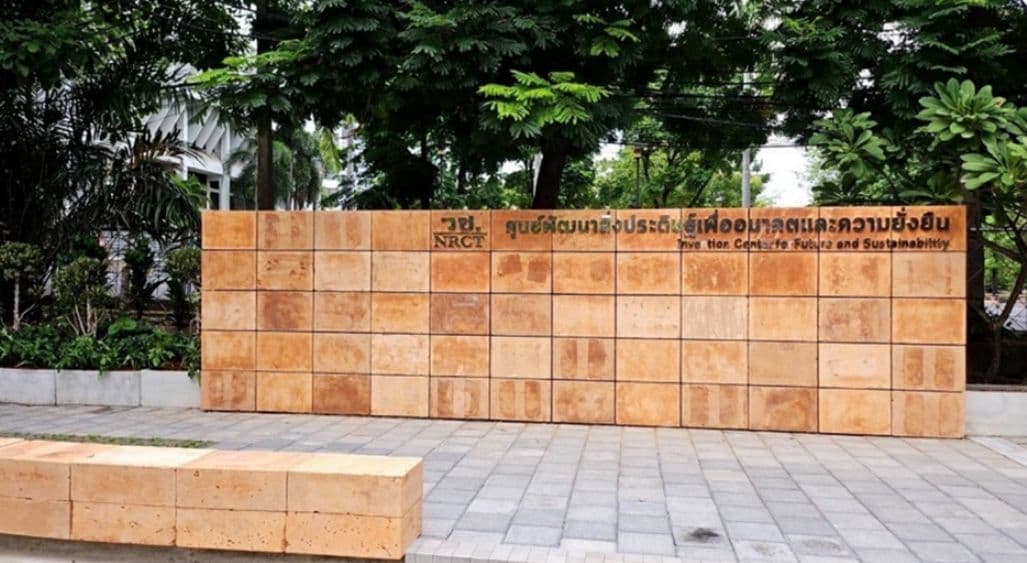
The " Center of Invention for Future and Sustainability Project (Continuing)" serves as a continuation of a pilot initiative focused on the retrofitting of older buildings (Vach. 7), specifically a five-story structure. The primary aim of this project is to develop methodologies for enhancing the sustainability of existing buildings in order to mitigate carbon dioxide emissions. In the execution of the Future and Sustainability Innovation Development Center Project (Continuing), a comprehensive analysis of relevant data and theoretical frameworks has been undertaken, leading to the formulation of a research methodology designed to identify optimal strategies for retrofitting older buildings to reduce carbon dioxide emissions. This approach is structured into three principal phases: the combustion of fuels associated with transportation, labor, and materials; the electricity consumption during the construction process; and the accumulation of greenhouse gases from both existing and new construction materials. The project employs an experimental research design, wherein empirical data is collected to evaluate and quantify the equivalent carbon dioxide emissions arising from the construction of new buildings compared to the retrofitting of the selected case study building. Subsequent analysis of the collected data revealed that retrofitting the existing structure—through the integration of sustainable design principles—resulted in greenhouse gas emissions of 11.88 kgCO2e/sq.m. In contrast, the emissions associated with new building construction amounted to 299.35 kgCO2e/sq.m., indicating a reduction in carbon dioxide emissions by a factor of approximately 26 when compared to the construction of new buildings.
คณะอุตสาหกรรมอาหาร
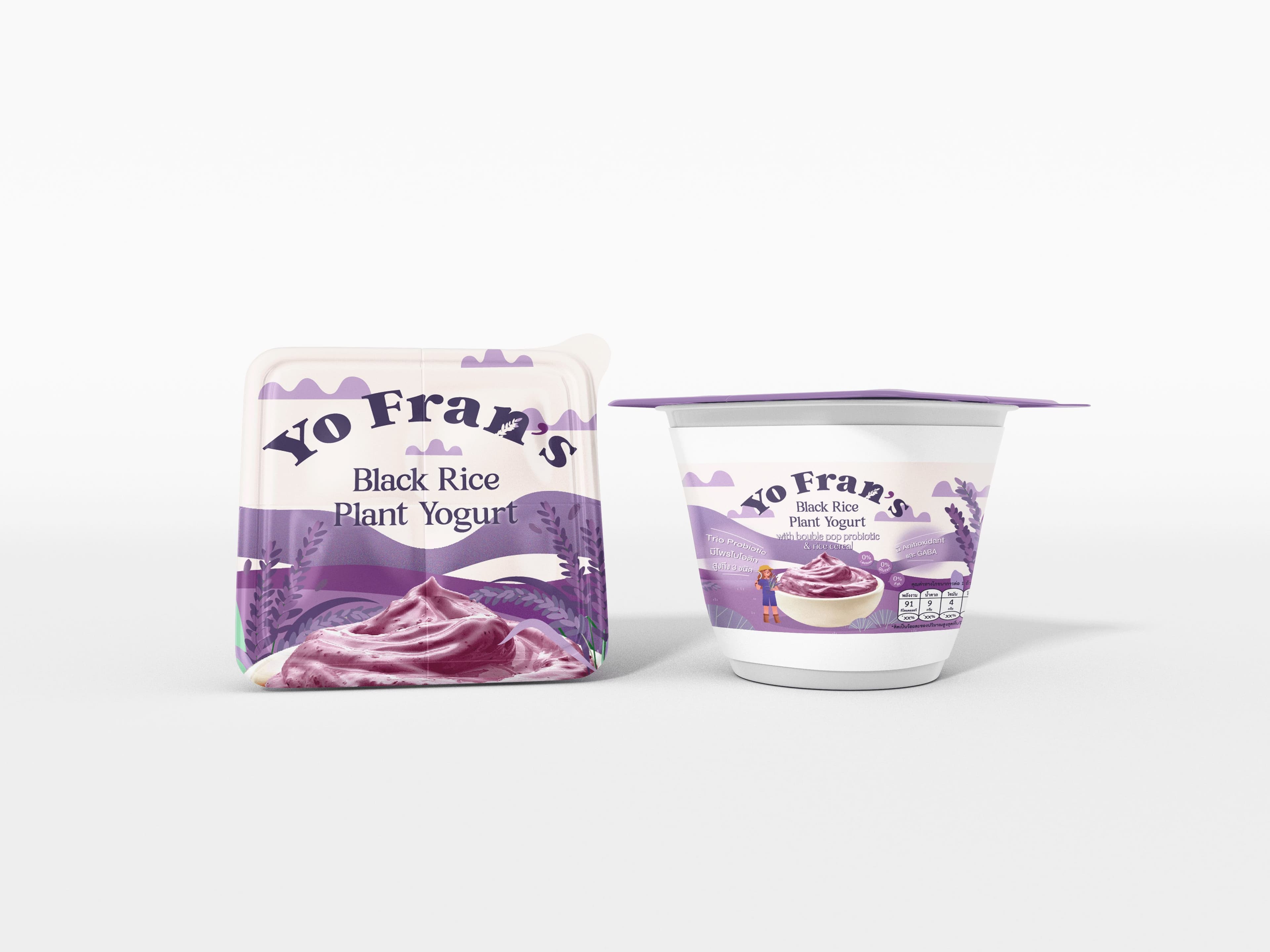
This black rice yogurt combines Trio Probiotic popping pearls and healthy rice cereal, rich in anthocyanins that help slow down bodily aging. It contains 3 types of probiotics to support gut balance and enhance digestive efficiency. This zero-waste product repurposes rice residue from the production process into nutritious cereal, offering a delicious and health-packed experience in one cup.
คณะเทคโนโลยีการเกษตร
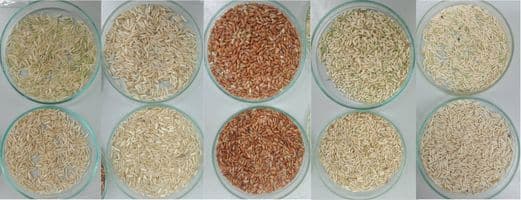
Rice is a salt-sensitive crop. The objective of this study was to evaluate the effect of salinity at flowering stage on physiological traits and yield of landrace rice. The experiment design was 4*10 Factorial in RCBD with 4 replications. Factor A was four salinity levels: control, 6, 12 and 16 dS/m; Factor B was 10 rice varieties. Data were collected on physiological traits and grain yield. The results showed that increasing salinity level decreased rice yield. The highest yield reduction was found when the rice received salt stress at 16 dS/m. In addition, rice varieties showed different yield performance when exposed to salt stress. In this found that Hom Yai variety had the lowest yield reduction when grown at 16 dS/m salinity level and did not differ from salt tolerant check variety.