
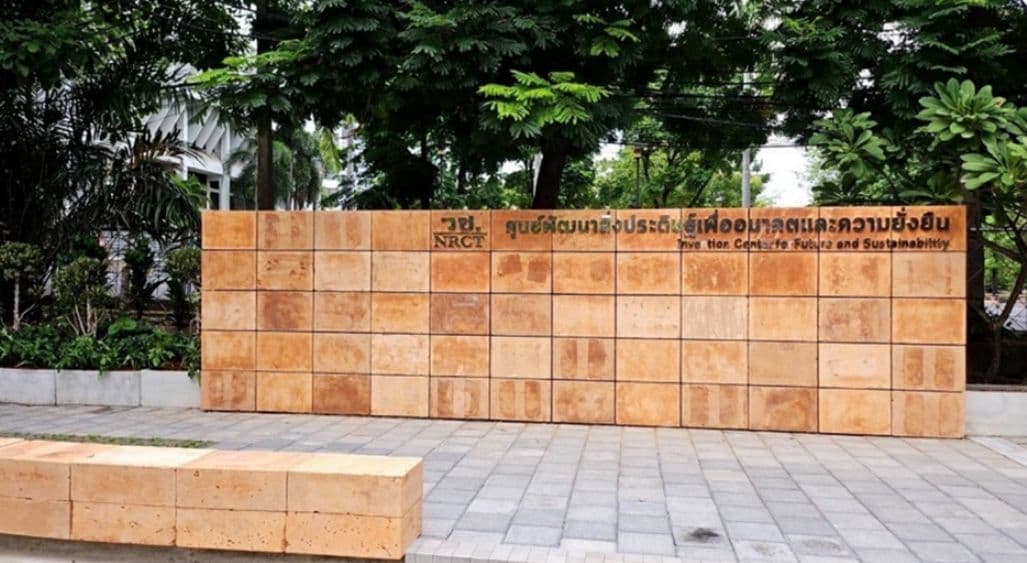
The " Center of Invention for Future and Sustainability Project (Continuing)" serves as a continuation of a pilot initiative focused on the retrofitting of older buildings (Vach. 7), specifically a five-story structure. The primary aim of this project is to develop methodologies for enhancing the sustainability of existing buildings in order to mitigate carbon dioxide emissions. In the execution of the Future and Sustainability Innovation Development Center Project (Continuing), a comprehensive analysis of relevant data and theoretical frameworks has been undertaken, leading to the formulation of a research methodology designed to identify optimal strategies for retrofitting older buildings to reduce carbon dioxide emissions. This approach is structured into three principal phases: the combustion of fuels associated with transportation, labor, and materials; the electricity consumption during the construction process; and the accumulation of greenhouse gases from both existing and new construction materials. The project employs an experimental research design, wherein empirical data is collected to evaluate and quantify the equivalent carbon dioxide emissions arising from the construction of new buildings compared to the retrofitting of the selected case study building. Subsequent analysis of the collected data revealed that retrofitting the existing structure—through the integration of sustainable design principles—resulted in greenhouse gas emissions of 11.88 kgCO2e/sq.m. In contrast, the emissions associated with new building construction amounted to 299.35 kgCO2e/sq.m., indicating a reduction in carbon dioxide emissions by a factor of approximately 26 when compared to the construction of new buildings.
จากแนวคิดการพัฒนาอย่างยั่งยืน (Sustainable Development) ที่ทำให้เกิดโครงการศูนย์พัฒนาสิ่งประดิษฐ์เพื่ออนาคตและความยั่งยืน ซึ่งได้มีการนำร่องในการทดลองแนวทางการปรับปรุงอาคารเดิม ซึ่งเป็นอาคารห้าชั้น ได้ดำเนินการแล้วในชั้นที่1และ2 โดยคำนึงถึงความยั่งยืนด้วยการลดการปล่อยคาร์บอนไดออกไซด์ ทั้งในระหว่างการปรับปรุงอาคาร เช่น การใช้เศษคอนกรีตจากการทุบรื้อพื้นและผนังเดิมมาใช้ทำกล่องเกเบี้ยน (Gabion box) เพื่อยกระดับพื้น เป็นการนำวัสดุกลับมาใช้ซ้ำ ช่วยลดการปล่อยคาร์บอนจากการขนย้ายและฝังกลบ, การใช้นวัตกรรมจากธรรมชาติ (Bio Base) เช่น ดินอัดที่นำมาใช้เป็นส่วนประกอบของอาคาร เพื่อลดการใช้อิฐที่ต้องเผาซึ่งก่อให้เกิดก๊าซคาร์บอนไดออกไซด์, การใช้วัสดุก่อสร้างจากธรรมชาติ เช่น ไม้ยางพารา เป็นต้น และในการดำเนินการของอาคาร เช่น การติดตั้งเซลล์แสงอาทิตย์ (Solar cell) เพื่อสร้างพลังงานไฟฟ้าใช้เองภายในโครงการ ลดการใช้พลังงาน, การจัดนิทรรศการทั้งถาวรและหมุนเวียนเพื่อให้เกิดความรู้ ความเข้าใจ และความตระหนักรู้ต่อสถานการณ์ของโลก โดยเฉพาะปัญหาสภาวะโลกร้อน เป็นต้น นับเป็นจุดเริ่มต้นในการทำความเข้าใจต่อกระบวนการก่อสร้างที่ช่วยลดการปล่อยคาร์บอน ในส่วนของโครงการต่อเนื่องนี้ มีเป้าหมายที่จะต่อยอดจากอาคารที่มีค่าการปล่อยก๊าซคาร์บอนไดออกไซด์ในปริมาณที่ต่ำ ไปสู่แนวคิด net zero emissions การปล่อยก๊าซเรือนกระจกสุทธิเป็นศูนย์ คือการที่ปริมาณการปล่อยก๊าซเรือนกระจกมีความสมดุล เท่ากับก๊าซเรือนกระจกที่ถูกดูดซับออกจากชั้นบรรยากาศ ซึ่งในสภาวะสมดุลนี้จะไม่เพิ่มปริมาณก๊าซเรือนกระจกในบรรยากาศ และหากทุกประเทศทั่วโลกสามารถบรรลุเป้า net zero emissions ได้ ก็จะสามารถหยุดการปล่อยก๊าซเรือนกระจกส่วนเกินที่ส่งผลให้เกิดปรากฏการณ์โลกร้อนได้ โดยสานต่อกระบวนการก่อสร้างที่ปล่อยคาร์บอนไดออกไซด์ต่ำ เพิ่มพื้นที่สีเขียวในโครงการเพื่อช่วยในการดูดกลับคาร์บอนไดออกไซด์ นำเอานวัตรกรรมที่เกี่ยวข้องกับการพัฒนาวัสดุก่อสร้างในปล่อยคาร์บอนไดออกไซด์ต่ำหรือไม่ปล่อยเลยมาใช้งานในโครงการเพื่อสนับสนุนและเผยแพร่งานวิจัยด้านนี้ให้มีการใช้งานอย่างแพร่หลาย ส่งเสริมให้เกิดการพัฒนาความรู้และช่วยในแก้ปัญหาซึ่งเป็นข้อจำกัดต่างๆ และสามารถสร้างให้เกิดการนำไปใช้ได้ง่าย โดยการนำเสนอรูปแบบนวัตกรรมที่หลากหลายเพื่อเป็นแนวทางในการนำไปปรับใช้ อีกทั้งทางโครงการยังจัดพื้นที่สนับสนุนการพัฒนาสิ่งประดิษฐ์เพื่อให้ผู้ที่สนใจการพัฒนานวัตกรรมที่ไม่มีอุปกรณ์ที่จำเป็นได้มาใช้พัฒนาสิ่งประดิษฐ์ของตนเอง เป็นส่งเสริมให้เกิดการคิดค้นนวัตกรรมใหม่ๆ ที่จะเป็นประโยชน์ต่อการลดภาวะโลกร้อน

วิทยาลัยนวัตกรรมการผลิตขั้นสูง
The research on improving the strength of solid electrolytes aims to enhance the properties of solid electrolyte materials produced from cement and additives that help develop the cement structure to generate electricity. The main components include sodium chloride (NaCl) and graphite, which contribute to the material’s ability to generate a weak electrical current. The objective is to develop an electricity-generating flooring material. This study involves preparing a mixture of cement, water, sodium chloride (NaCl), and graphite to enhance the material’s electrical conductivity. It is highly anticipated that this research will lead to the development of concrete flooring capable of generating electricity and can be further expanded for future applications.
คณะเทคโนโลยีการเกษตร
-
คณะเทคโนโลยีการเกษตร
The project focuses on designing and creating Art Toy Mascots that reflect the identities of the 12 departments in the Faculty of Agricultural Technology. It combines the concepts of art and agricultural technology to promote better understanding and easy recognition of each department. The project utilizes creative design and artistic toy production techniques.