

This study explores the application of deep convolutional neural networks (CNNs) for accurate pill identification, addressing the limitations of traditional human-based methods. Using a dataset of 1,250 images across 10 household remedy drugs, various CNN architectures, including YOLO models, were tested under different conditions. Results showed that natural lighting was optimal for imprinted pills, while a lightbox improved detection for plain pills. The YOLOv5-tiny model demonstrated the best detection accuracy, and efficientNet_b0 achieved the highest classification performance. While the model showed strong results, its generalization is limited by sample size and drug variability. Nonetheless, this approach holds promise for enhancing medication safety and reducing errors in outpatient care.
The increasing complexity of pharmaceutical treatments requires precise pill identification to ensure patient safety. Traditional methods for pill reconciliation rely on human experts, which are time-consuming and prone to errors. Deep Convolutional Neural Networks (CNNs), particularly effective in image processing, offer a promising solution for automating and enhancing these processes.
คณะครุศาสตร์อุตสาหกรรมและเทคโนโลยี
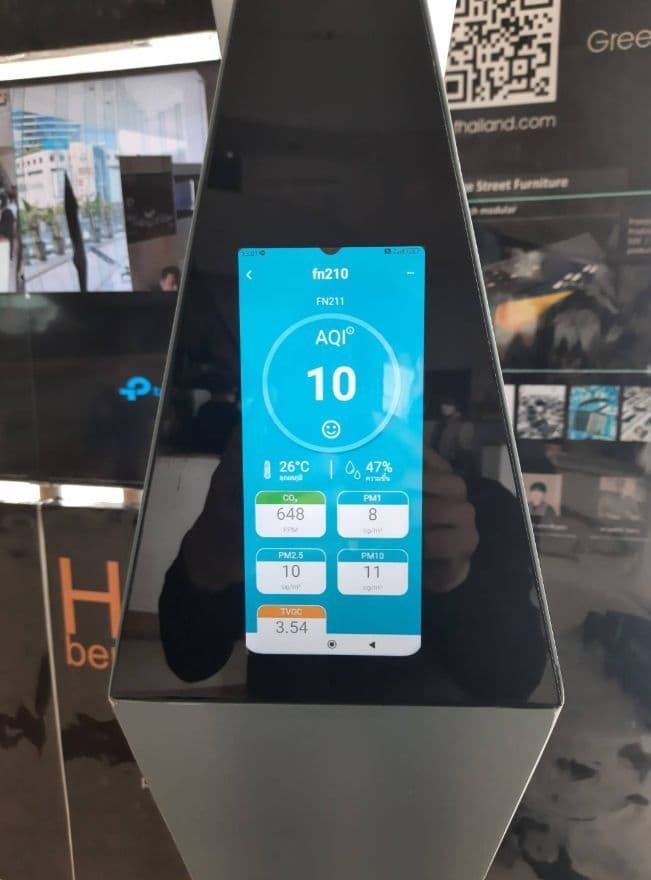
"Green and Smart City Innovation" is a concrete integration of social innovation and innovation for smart city in Chiang Rai Province with an interdisciplinary collabarative learning approach based on the research and development of learning in the area by the community. Project Title : “APOLE” Cultural Product Design: The Cultural Product Design Beyond. “City development that aims to improve the quality of life By increasing the efficiency of service city management cost reduction and use of resources Emphasis is placed on the participation mechanisms of the public sector, private sector, public sector, and academic sector. Under the concept of developing a livable, modern, sustainable city that provides citizens in the city with a good quality of life. by leveraging technology and innovation as tools” to move towards a Smart City in the future The government sector uses technology as a driving force. Emphasis is placed on creating an infrastructure system. (Infrastructure) to be consistent with the living conditions of local people. By laying down telecommunications infrastructure, smart poles, arranging electrical wires and grounding communication cables. Installation of intelligent CCTV systems, air quality improvement, Internet of Things (IoT) devices, and Internet of Things (IoT) technology control systems, which help improve people's quality of life so that they can live with more quality.
คณะเทคโนโลยีการเกษตร
-
คณะวิศวกรรมศาสตร์
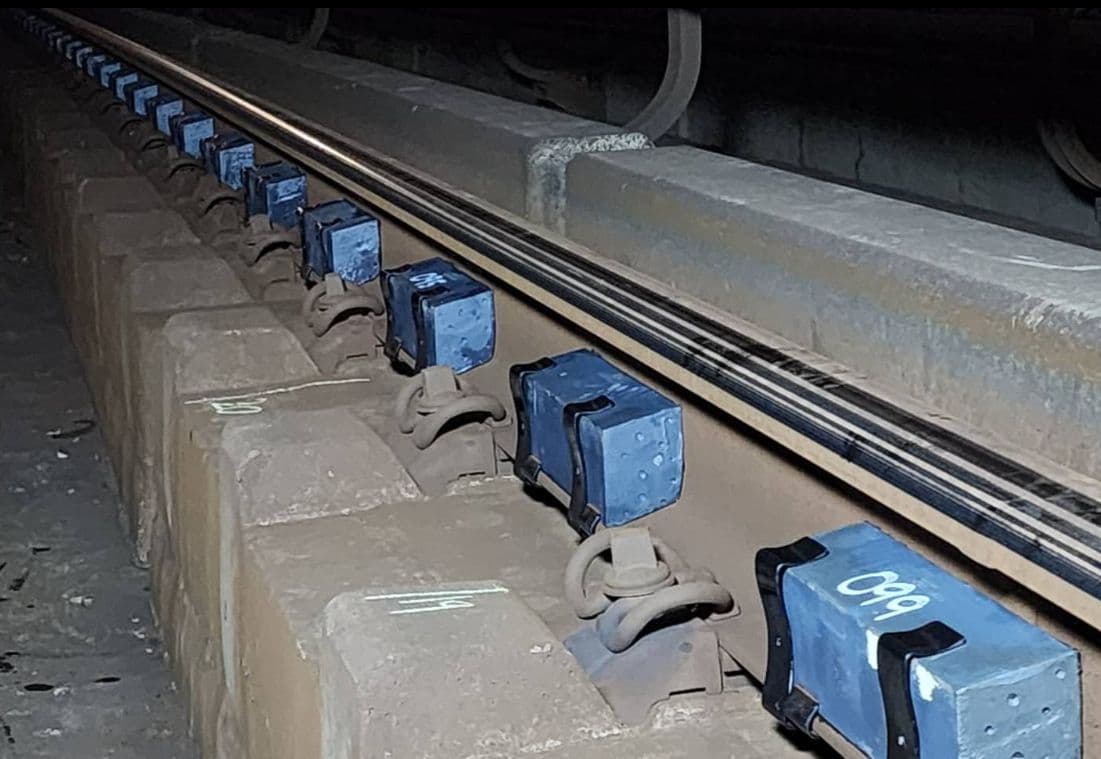
Nowadays, rail transportation has a significant impact on people's lives and economic growth. Consequently, the number of rail systems being built around our country has dramatically increased. This process causes various types of pollution, such as noise and rail-way vibration, which can badly affect the life of citizens who live nearby. The most popular way to solve this problem recently is to decrease the noise from the sound source or to adjust the vibration by attaching a Track Damper to the railway. This technique is being used in many countries especially in Europe and Australia because it is cheap and has high efficiency. The key piece called Track Dampers are made by AUT company’s Thailand for a period of time. The company produces Track Dampers for the owner of the technology so as to sell more than 300,000 pieces of it overseas. Furthermore, the demand of Track Dampers grows as the railway systems expand. Unfortunately, the imported synthetic materials, which are used to create Track Dampers, are made from environmentally unfriendly sources. As a result, this research aims to develop the product to be environmentally-safe by replacing some imported materials with Thai’s local content; which are natural rubber and rubber crumbs. Furthermore, the product will be added value by mounting with embedded sensors for real-time monitoring of track vibration, noise, and rail temperature. All embedded devices developed will sense, collect, and automatically send to cloud by wireless technology platform. The AI and IOT platform will also be developed for safety, security, and maintenance proposed of railway track system. However, in conducting research, there will be close collaboration with AUT company through design, production, and testing. The outcome of this research is to upgrade AUT company from tier 2 manufacturer (TRL 8-9) to tier 1 manufacturer (TRL 7-8) which will be served the Thailand competitiveness enhancing strategic goal.