

Bacteriocins are microbial peptides that demonstrate potency against pathogens. This study evaluated the inhibitory effects on pathogens and characterized the bacteriogenomic profile of strain TKP1-5, isolated from the feces of Anas platyrhynchos domesticus. Strain TKP1-5 was characterized using phenotypic traits, 16S rRNA sequencing, and Whole-Genome Sequencing (WGS). It exhibited growth in the presence of 2-6% NaCl, temperatures of 25-45°C, and pH levels ranging from 3 to 9. Based on ANIb, ANIm, and dDDH values, strain TKP1-5 was identified as Lactococcus lactis. Whole genome analysis revealed that strain TKP1-5 harbors the Nisin Z peptide gene cluster with a bit-score of 114.775. The antimicrobial spectrum of bacteriocin TKP1-5 showed inhibitory effects against pathogenic bacteria including Pediococcus pentosaceus JCM5885, Listeria monocytogenes ATCC 19115, Enterococcus faecalis JCM 5803T, Salmonella Typhimurium ATCC 13311ᵀ, Aeromonas hydrophila B1 AhB1, Streptococcus agalactiae 1611 and Streptococcus cowan I. Genomic analysis confirmed L. lactis TKP1-5 as a non-human pathogen without antibiotic resistance genes or plasmids. Furthermore, L. lactis TKP1-5 contains potential genes associated with various probiotic properties and health benefits. This suggests that L. lactis TKP1-5, with its antibacterial activity and probiotic potential, could be a promising candidate for further research and application in the food industry.
ปัจจุบันมีการใช้ยาปฏิชีวนะที่มากมายและหลากหลายอุตสาหกรรมเช่น อุตสาหกรรมการเลี้ยงสัตว์ อุตสาหกรรมการแพทย์ และรวมไปถึงอุตสาหกรรมอาหาร ซึ่งการใช้ยาปฏิชีวนะที่มากมายนี้ก่อให้เกิดการทนทานหรือเกิดการดื้อต่อยาปฏิชีวนะของจุลทรีย์ก่อโรคหลากหลายชนิด โดยในเรื่องนี้เป็นภัยเงียบที่กำลังคลืบคลานเข้ามาในอนาคต มีการประกาศจากองค์กรอนามัยโลก (WHO) ว่าในทุกปีมีการเสียชีวิตจากการติดเชื้อต่อจุลชีพก่อโรคที่มีการทนทานต่อยาปฏิชีวนะนี้มากกว่า 10 ล้านคนทั่วโลก ดังนั้นแบคเทอริโอซินที่มีความสามารถในการยับยั้งจุลินทรีย์ก่อโรคโดยการที่แบคเทอริโอซินจะไปสร้างรูที่เยื่อหุ้มเซลล์ของจุลชีพเป้าหมายและทำให้สารต่างๆภายในจุลชีพไหลออกมาข้างนอกเซลล์ อีกทั้งยังสามารถยับยั้งการสังเคราะห์กรดอะมิโนและโปรตีนของจุลชีพเป้าหมายอีกด้วย ดังนั้นแบคเทอริโอซินจึงเป็นหนึ่งในทางเลือกในการยับยั้งจุลชีพก่อโรค ในปัจจุบันนั้นเทคโนโลยีในการวิเคราะห์จีโนมทั้งหมดของสิ่งมีชีวิตจัดเป็นเครื่องมือที่สำคัญของนักวิทยาศาสตร์ในปัจจุบัน เนื่องจากจีโนมของสิ่งมีชีวิตต่างๆค่อนข้างอยู่ในระดับข้อมูลที่มากมาย โดยเครื่องมือเหล่านี้สามารถทำนายตำแหน่งของยีนที่สนใจ การออกแบบยา การค้นหาตำแหน่งยีนดื้อยา กลไกต่างๆที่อาจจะเกิดขึ้นจากยีน การค้นหายีนที่บ่งบอกถึงการพบเจอสิ่งมีชีวิตชนิดใหม่ที่ไม่มีคนเคยค้นพบมาก่อน รวมไปถึงการพัฒนาทางด้านการรักษาเป็นต้น นำไปสู่การศึกษาการวิจัยในครั้งนี้ที่เกี่ยวข้องกับกการศึกษาผลกระทบต่อการยับยั้งจุลชีพก่อโรคของเเบคเทอริโอซินที่ได้จากสายพันธุ์ TKP1-5 มีการใช้เครื่องมือที่ชื่อ BAGAL4 ในการศึกษากลุ่มยีนที่ระบุว่าเป็นแบคเทอริโอซิน หรือเครื่องมือต่างๆทางศาสตร์ของชีวสารสนเทศน์ที่ทำหน้าที่ระบุลักษณะเฉพาะของแบคเทอริโอซิน เช่น ProtParam, ADP3, PepDraw และ DBAASP ตามลำดับรวมไปถึงการหาตำแหน่งยีนที่ดื้อยาผ่านทางเครื่องมือที่ชื่อ CARD เป็นต้นทั้งนี้การใช้เครื่องมือต่างๆเป็นเพียงการทำนายตำแหน่งของยีนโดยทำการเทียบเคียงกับฐานข้อมูลต่างๆที่มีการเก็บรวบรวมจากทั่วโลก ดังนั้นจึงต้องมีการทดสอบผ่านทางห้องปฏิบัติการควบคู่ไปด้วยเพื่อยืนยันความหน้าเชื่อถือของเครื่องมือที่ใช้ในการทำนายตำแหน่งยีนต่างๆ เป็นต้น

คณะวิทยาศาสตร์
The purpose of this study was to examine and analyze the factors influencing household energy expenditures in Thailand. With sample group of 57,600 households. The findings reveal that the majority of the sample population is male, with an average age of 54.31 years, and most are married. The majority have an education level of primary or secondary school and are primarily Own-account worker (without employee), Private company employee or engaged in other job. In terms of social characteristics, the average household size is 2.71 people. Most residences are located in the Central, Northeastern, and Northern regions with similar proportions, followed by the Southern region and Bangkok, respectively. Most type of dwelling in detached houses, with materials of construction being cement or brick, followed by half concrete and wood. Regarding tenure, almost own dwelling and land, with an average of 2.88 rooms per household. Electricity is available in all households, with an average of 2.30 vehicles per household and an average of 22 electrical appliances per household. Regarding economic characteristics, most respondents have government/state enterprise welfare and receive benefits from the government programs. The majority have never borrow money from government funds. The average communication services of respondents amount to 788.46 THB, while the average household debt stands at 4,760.74 THB. At a significance level of 0.05, the factors influencing household energy expenditures in Thailand include gender, education level, marital status, job, household size, residential region, type of dwelling, material of construction, tenure, number of rooms, number of vehicles, number of electrical appliances, welfare of medical services, receive benefits from the government programs, borrow money from government funds, communication services, and household debt. However, age does not affect household energy expenditures in Thailand. The results of multiple linear regression analysis indicate that six quantitative independent variables—communication services, number of household electrical appliances, number of vehicles in the household, household debt, number of rooms, and household size—explain variations in household energy expenditures, with an Adjusted R Square value of 0.561.
คณะเทคโนโลยีการเกษตร
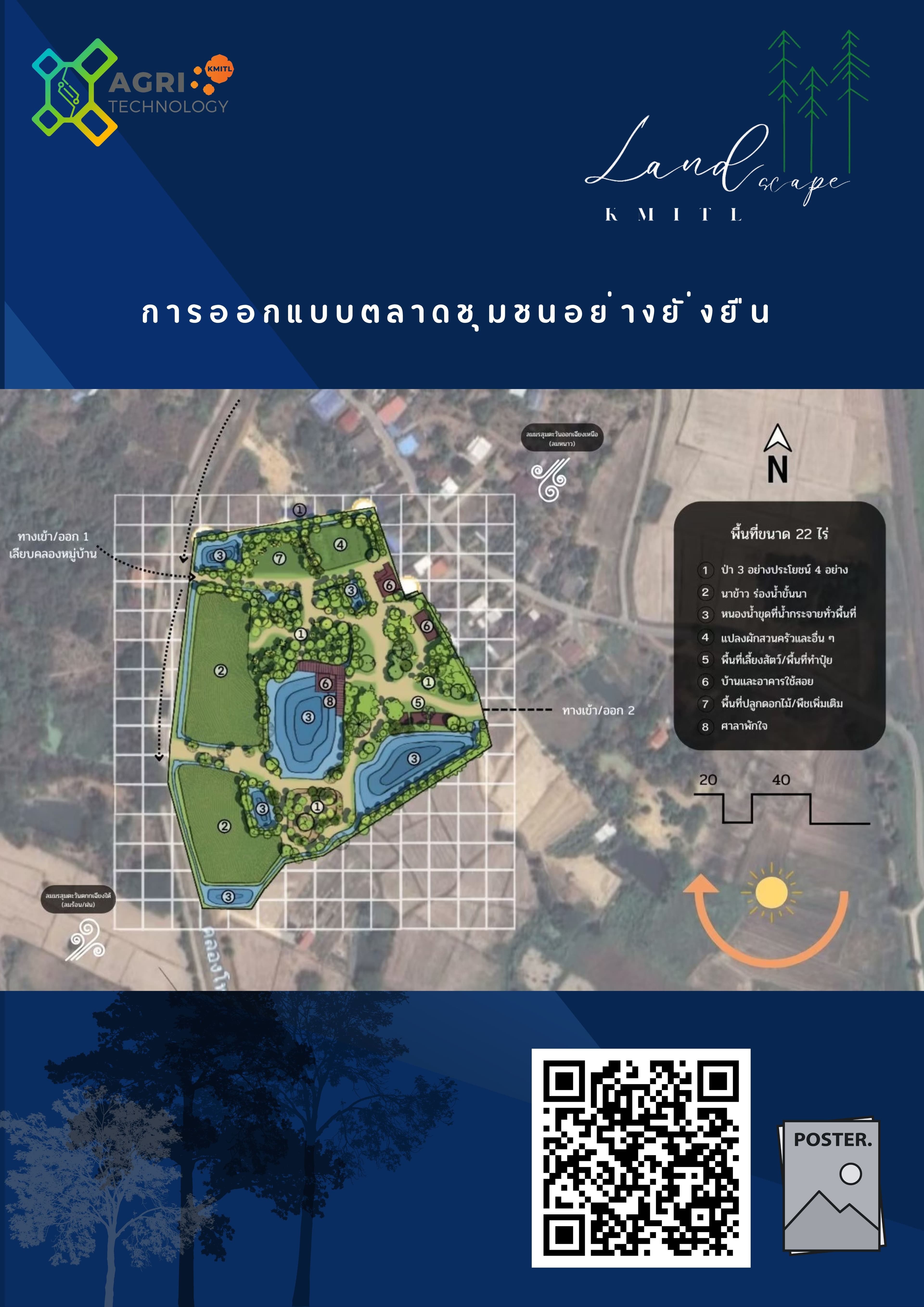
The design site of 22 hectares of agricultural land in this area is located in Tatata District, Iglenburg Province. The design concept of this area aims to encourage farmers and communities to earn income from the agricultural products produced in this area, and emphasizes that this area is a "living market", which can not only create food from a variety of crops, but also establish a balanced ecosystem and promote biodiversity in this area. The market will become a sustainable market area, which is not only beneficial to society in promoting economy, but also beneficial to the environment. The area will serve as a social and learning center, where community members can fully exchange agricultural information and experience and stimulate the economy in the community in another way.
วิทยาลัยการจัดการนวัตกรรมและอุตสาหกรรม
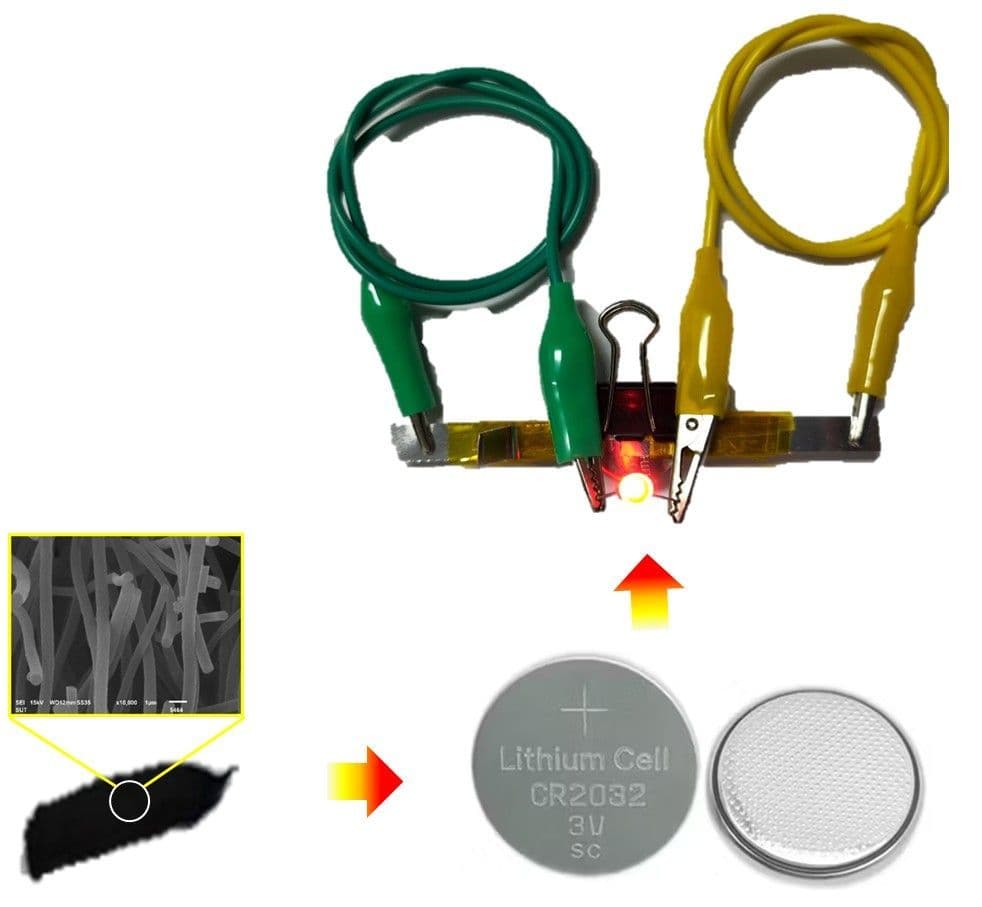
This study presents the development of carbon-based multiphase metal oxide nanocomposites (CNF@MOx; M = Ag, Mn, Bi, Fe) incorporating silver, manganese, bismuth, and iron nanoparticles within polyacrylonitrile (PAN)-derived carbon nanofibers. These nanocomposites were fabricated via the electrospinning technique followed by annealing in an argon atmosphere. The resulting nanofibers exhibited a uniform structure, with diameters ranging from 559 to 830 nm and embedded nanoparticles of 9-21 nm. Structural characterization confirmed the presence of various oxidation states of metal oxides, which play a crucial role in charge storage mechanisms. Electrochemical performance testing demonstrated that CNF@Ag/Mn/Bi/Fe-20 achieved the highest specific capacitance of 156 F g⁻¹ at a scan rate of 2 mV s⁻¹ and exhibited excellent cycling stability, retaining over 96% of its capacitance after 1400 charge-discharge cycles. The synergistic combination of electric double-layer capacitance and redox-based charge storage enhances the performance of these nanofibers as promising electrode materials for supercapacitor applications.