

This research gives a comprehensive overview of the use of antibiotics in livestock production, highlighting both the benefits and the risks associated with their use. The benefits, such as improving immunity, digestion, and reducing infections, are contrasted with the growing concern over antibiotic residues and the development of drug resistance. The shift towards alternatives like probiotics is explored as a sustainable solution, with a specific focus on lactic acid bacteria (LAB) found in the digestive systems of livestock. Thailand’s regulations, which control antibiotic use in animal feed, are also discussed, setting the stage for the study on LAB as a potential replacement for imported probiotics. 1. Use of Antibiotics in Livestock: Antibiotics have been used to promote growth, improve digestion, and prevent infections in livestock. However, the improper use of antibiotics can lead to residues in animal products and the development of drug-resistant bacteria. 2. Global Trends in Antibiotic Use: Many countries, like the European Union and Japan, have banned antibiotics as growth promoters, while others, like China and the U.S., are planning similar bans. 3. Thailand's Approach: Thailand has implemented a regulation since September 2020 to control the use of antibiotics in animal feed, requiring control at both feed mills and farms that mix their own feed. 4. Probiotics as an Alternative: Probiotics, particularly lactic acid bacteria (LAB), are being studied as an alternative to antibiotics. LAB are naturally found in the digestive tracts of livestock and are considered beneficial for maintaining gut health and replacing the need for antibiotics. The study examines the potential of LAB from Thai livestock (broilers, pigs, and cattle) as a sustainable alternative to imported probiotics, aiming to overcome issues like low survival rates of foreign probiotics in practice.
การใช้ยาปฏิชีวนะ (Antibiotic substance) ในระบบการผลิตปศุสัตว์ถือได้ว่ามีการใช้กันอย่างแพร่หลาย เพื่อใช้ในการรักษาอาการเจ็บป่วยของสัตว์ในฟาร์ม จากการศึกษาของ สุภาวดี และ อิสรพงษ์ (2021) พบว่า การใช้ยาปฏิชีวนะมีอย่างแพร่หลายในฟาร์มปศุสัตว์สูงถึง 93.8 เปอร์เซ็นต์ โดยการเข้าถึงยาได้ง่ายจากการซื้อที่ร้านจำหน่ายสินค้าทางการเกษตร 56.3 เปอร์เซ็นต์ มียาที่จำหน่ายในร้านขายสินค้าทางการเกษตร เป็นยาที่ไม่มีทะเบียนยา 47 เปอร์เซ็นต์ เป็นยาปฏิชีวนะ 36.8 เปอร์เซ็นต์ เกษตรกรยังไม่มีความเข้าใจในการใช้ยาปฏิชีวนะทำให้เกิดการใช้ที่ไม่ถูกวิธี ส่งผลให้เกิดการตกค้างของยาปฏิชีวนะในผลิตผภัณฑ์ปศุสัตว์ การดื้อยาในสัตว์และผู้บริโภค ปัจจุบัน นักพัฒนาอาหารสัตว์จึงหันมาให้ความสนใจ Probiotic หรือเรียกอีกอย่างว่า สารเสริมชีวนะ ซึ่งถือว่าเป็นจุลินทรีย์ที่มีประโยชน์ต่อร่างกายของสัตว์และมนุษย์ (Gilliland, 1990; Fuller, 1989) เพื่อลดปัญหาที่เกิดจากการใช้ Antibiotic ดังที่ได้กล่าวไว้ข้างต้น การใช้ Probiotic ในอาหารสัตว์มีวัตถุประสงค์หลัก 2 ข้อ คือ 1) เพิ่มประสิทธิภาพการผลิต และ 2) เพิ่มความปลอดภัยในกระบวนการผลิตและเพิ่มความปลอดภัยของสินค้าปศุสัตว์ นอกจากนั้น การใช้ Probiotic ยังมีผลให้ระบบภูมิคุ้มกันของสัตว์อยู่ในสภาวะสมดุล การลดลงของจำนวนจุลินทรีย์ก่อโรคในระบบทางเดินอาหารทำให้ประสิทธิภาพการใช้อาหารในสัตว์ดีขึ้น เนื่องจากสภาวะที่สมดุลของจุลินทรีย์ในลำไส้ เอื้อให้สัตว์สามารถใช้อาหารได้เกิดประสิทธิภาพเพิ่มขึ้นและเอื้อให้มีการดูดซึมสารอาหารได้ดีขึ้น (กานต์ชนา, 2015) จุลินทรีย์ที่มีประโยชน์ที่สามารถนำมาใช้เป็น Probiotic ได้แก่ แบคทีเรีย ยีสต์ และ เชื้อรา (Fuller, 1992) และจากการรายงานของ Salminen et al. (1992) รายงานว่า แบคทีเรียที่มักจะนำมาใช้เป็น Probiotic ได้แก่ กลุ่ม lactic acid bacteria ซึ่งได้รับการยอมรับว่ามีความปลอดภัย (Generally Regarded As Safe; GRAS) ถึงแม้ว่า lactic acid bacteria จะมีการนำมาใช้เป็น Probiotic อย่างแพร่หลายแต่ยังมีข้อจำกัดหลายอย่างที่ทำให้เซลล์มีชีวิต (viable cell) ของเชื้อลดลงอย่างรวดเร็ว เช่น ภาวะเป็นกรดที่มากเกินไปมีผลให้ตัวของ lactic acid bacteria ถูกทำลายด้วย หรือ lactic acid bacteria ที่ใช้อยู่ในประเทศส่วนใหญ่เป็นเชื้อที่มีการนำเข้า ซึ่งสิ่งแวดล้อมที่แตกต่างกันของแต่ละประเทศอาจจะมีผลต่อการเพิ่มจำนวนและประสิทธิภาพการทำงานลดลง เป็นต้น ดังนั้น ผู้ผลิต Probiotic จึงได้ให้ความสำคัญของสายพันธุ์ การผลิตกรดแลกติก การรอดชีวิตของเชื้อทั้งในระหว่างการผลิตและการเก็บรักษา เพื่อเป็นมาตรฐานในการพัฒนาผลิตภัณฑ์ที่เป็น Probiotic ในอนาคต จึงเป็นเหตุผลให้มีการศึกษามาตรฐานของเชื้อ lactic acid bacteria ที่มีอยู่ในประเทศไทย เพื่อนำมาใช้เป็น Probiotic ในอาหารสัตว์สำหรับสัตว์เพื่อการบริโภค และเป็นเชื้อแบคทีเรียที่ใช้ในอุตสาหกรรมการหมักผลิตภัณฑ์จากสัตว์
คณะบริหารธุรกิจ
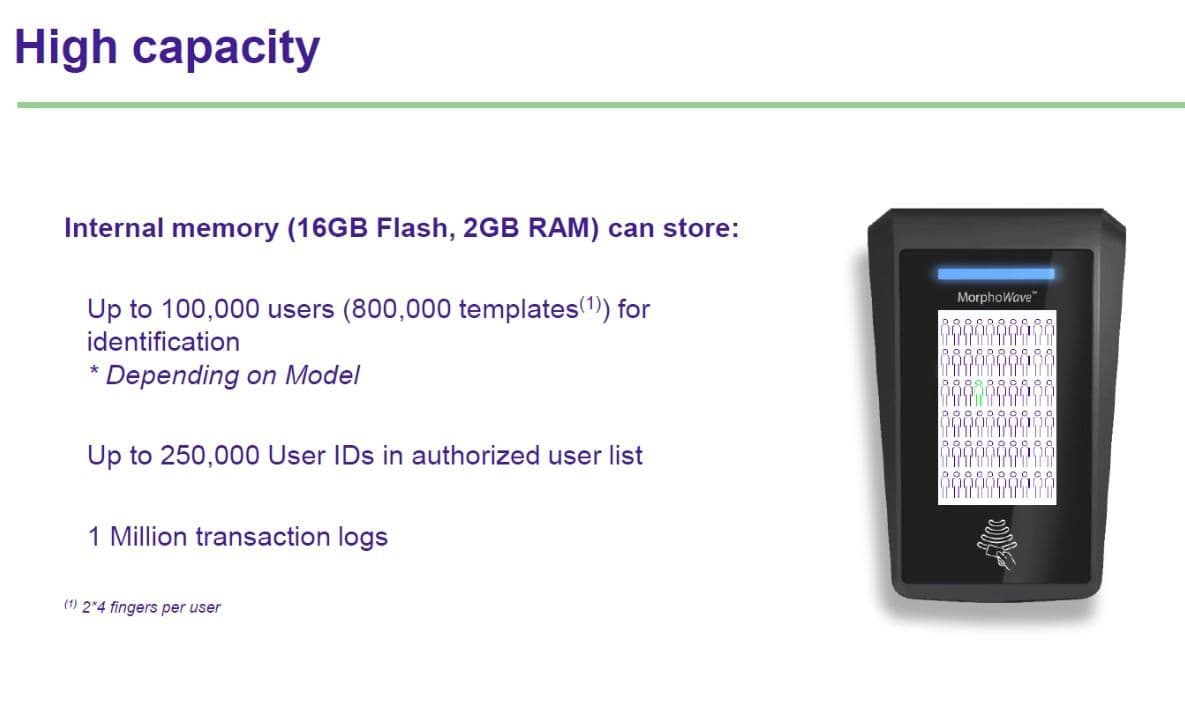
In the digital era, Artificial Intelligence (AI) plays a crucial role in developing smart cities and enhancing business operations. Among AI-driven technologies, AI Vision Analytics has gained significant attention for Access Control Systems (ACS) and Consumer Behavior Analytics. This research focuses on integrating AI Access Control and AI Video Analytics to examine factors influencing Technology Adoption Behavior using the UTAUT2 (Unified Theory of Acceptance and Use of Technology 2) framework. Key factors assessed include Trust in Technology, Effort Expectancy, Social Influence, and Performance Expectancy, which impact users’ willingness to adopt AI-driven security and analytics solutions. The study also includes a real-world implementation of AI Vision Analytics at KMITL EXPO, where an AI-powered Access Control System and AI Video Analytics are deployed. The collected data is analyzed to identify trends in AI adoption for business management and security enhancement. The findings provide valuable insights for businesses and organizations to optimize AI Vision Analytics for enhancing security management and digital marketing strategies.
คณะครุศาสตร์อุตสาหกรรมและเทคโนโลยี
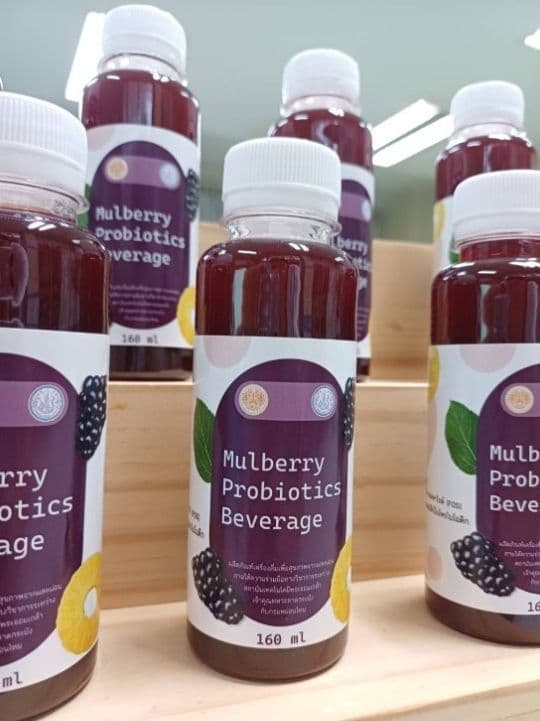
Mulberry Kefir is a fermented drink made from ripe mulberry fruit, made from ripe mulberry juice. Its pinkish-red color is the color of the natural anthocyanin in mulberries. Anthocyanins have antioxidant properties and contain the prebiotic fructo-oligosaccharides, the probiotic microorganisms Lactobacillus and Saccharomeces. It has a sweet and sour taste, is fizzy and has a little alcohol. The taste and fizz come from production technology, which uses a fermentation process from microorganisms. Mulberry kefir is considered a functional beverage made from plants (Plant Based Beverage), suitable for people who are lactose intolerant and those who do not consume beverages made from milk. It makes you feel refreshed after drinking it.

วิทยาเขตชุมพรเขตรอุดมศักดิ์
Bone tissue scaffolds are made from biomaterials that support rapid repair and healing. Scaffold fabricators have produced materials that are able to degrade a biosystem or human body excellently. Thus, this work aims to study the optimization of materials, shape, and the 3D printing process with FDM. Finite element analysis is also used to predict mechanical properties of the scaffold and find the optimal shape and pore size. However, the materials studied include PLA, PCL, and HA.