

This project is a part of KMITL business student’s thesis. The topic is business plan about blazers and trousers made by recycled fabric
Trend ในตอนนี้ถ้าไม่พูดถึง sustainability คงเป็นไปไม่ได้ พวกเรานักศึกษาจากคณะบริหารธุรกิจได้เล็กเห็นถึง trend ในปัจจุบันและนำมาประยุกต์ใช้ให้เข้ากับธุรกิจที่พวกเรามีแรงบันดาลใจในการทำ จึงเกิดเป็น Prize Brand ที่มุ่งมั่นที่จะเป็นที่รู้จักในด้าน eco-friendly and sustainability

คณะเทคโนโลยีการเกษตร
Climate change affects agricultural systems worldwide, including Thailand, and may lead to reduced crop yields, impacting food security. Bambara groundnut is a crop with the potential to adapt to changing environments and can thrive in areas with limited resources. This research aims to study the impact of climate change on Bambara groundnut yields in Thailand using the DSSAT (Decision Support System for Agrotechnology Transfer) model, an important tool for predicting plant growth under various environmental conditions. This study utilizes climate data, soil composition, and genetic information of Bambara groundnut to simulate and analyze yield trends under future climate scenarios. Four study areas in Thailand were selected: Songkhla, Lampang, Yasothon, and Saraburi. The CSM-CROPGRO-Bambara groundnut model was used to assess the impact of changing temperature and rainfall on the growth and yield of Bambara groundnut. The results of this study are expected to provide farmers and researchers with valuable information for planning cultivation and managing peanut production in response to climate change. Additionally, the findings can help formulate policy guidelines to promote the cultivation of climate-resilient crops and support the country's food security.
คณะวิศวกรรมศาสตร์
This project aims to develop an AI-powered system for detecting and classifying wall cracks using image processing. It identifies different crack types, assesses severity, and ensures accuracy across various image conditions. The goal is to support preventive maintenance by enabling early detection of structural issues, reducing repair costs, and improving safety.
คณะเทคโนโลยีการเกษตร
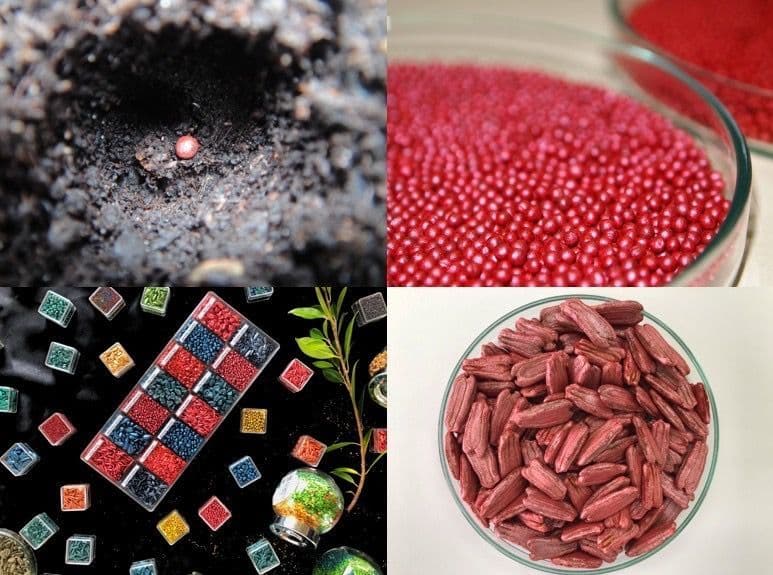
This experiment aimed to study the suitable types of polymers for coating with chlorophyll extract and the quality of cucumber seeds after coating. The experiment was planned using a Completely Randomized Design (CRD) with four replications, consisting of five methods involving seeds coated with different types of polymers: Polyvinylpyrrolidone, Sodium Alginate, Carboxy Methyl Cellulose, and Hydroxypropyl Methylcellulose, each polymer being coated alongside chlorophyll, with uncoated seeds serving as the control method. The coating substance was prepared by extracting chlorophyll from mango leaves, then mixed with each type of polymer at a concentration of 1%, using an 8% concentration of chlorophyll extract. The properties of each coating method, such as pH and viscosity of the coating substance, were examined before coating the cucumber seeds with a rotary disk coater model RRC150 at a coating rate of 1,100 milliliters per 1 kilogram of seeds. Subsequently, the seeds were dried to reach the initial moisture level using a hot air blower, and seed quality was assessed in various aspects, including seed moisture, germination rate under laboratory conditions, germination index, and seed fluorescence under a portable ultraviolet light illuminator, as well as light emission spectrum analysis using a Spectrophotometer. The experiment found that each type of polymer could be used to form a film together with chlorophyll, which had appropriate pH and viscosity for the coating without affecting seed quality and showed fluorescence on the seed surface both under portable ultraviolet light and spectral emission analysis with a Spectrophotometer. Using HPMC as the film-forming agent with chlorophyll was the most suitable method, enhancing seed fluorescence efficiency.