
The photoelectrochemical detection of salbutamol, which is illicitly used as a lean meat promoter in pigs, is investigated using a molecularly imprinted polymer (MIP)-based sensor with a CuO/g-C₃N₄ nanocomposite to enhance detection performance, leveraging nanomaterials and molecular imprinting for high selectivity and sensitivity. This approach offers a promising strategy for the precise and efficient analysis of salbutamol in food samples.
ความปลอดภัยทางด้านอาหารเป็นหนึ่งปัจจัยที่มีผลสำคัญต่อสุขภาพและการดำเนินชีวิตประจำวัน เนื่องมาจากปัญหาการปนเปื้อนของสารเคมีในอาหารซึ่งก่อให้เกิดปัญหาตามมา อาทิเช่น อาการเจ็บป่วยเล็กน้อย ผลข้างเคียงหรือโรคที่เกี่ยวกับทางเดินอาหาร ไปจนถึงทำให้เสียชีวิตได้ สารซาลบูทามอลเป็นสารที่หาซื้อได้ง่ายเนื่องจากเป็นยาที่ถูกใช้กับผู้ที่เป็นโรคหอบหืดหรือโรคที่เกี่ยวกับระบบหายใจเรื้อรัง โดยสารชนิดนี้ถูกใช้ในทางที่ผิด เช่น การโดปของนักกีฬาหรือเพื่อการเร่งเนื้อแดงในสัตว์ได้

คณะครุศาสตร์อุตสาหกรรมและเทคโนโลยี
Mulberry Kefir is a fermented drink made from ripe mulberry fruit, made from ripe mulberry juice. Its pinkish-red color is the color of the natural anthocyanin in mulberries. Anthocyanins have antioxidant properties and contain the prebiotic fructo-oligosaccharides, the probiotic microorganisms Lactobacillus and Saccharomeces. It has a sweet and sour taste, is fizzy and has a little alcohol. The taste and fizz come from production technology, which uses a fermentation process from microorganisms. Mulberry kefir is considered a functional beverage made from plants (Plant Based Beverage), suitable for people who are lactose intolerant and those who do not consume beverages made from milk. It makes you feel refreshed after drinking it.
คณะวิศวกรรมศาสตร์
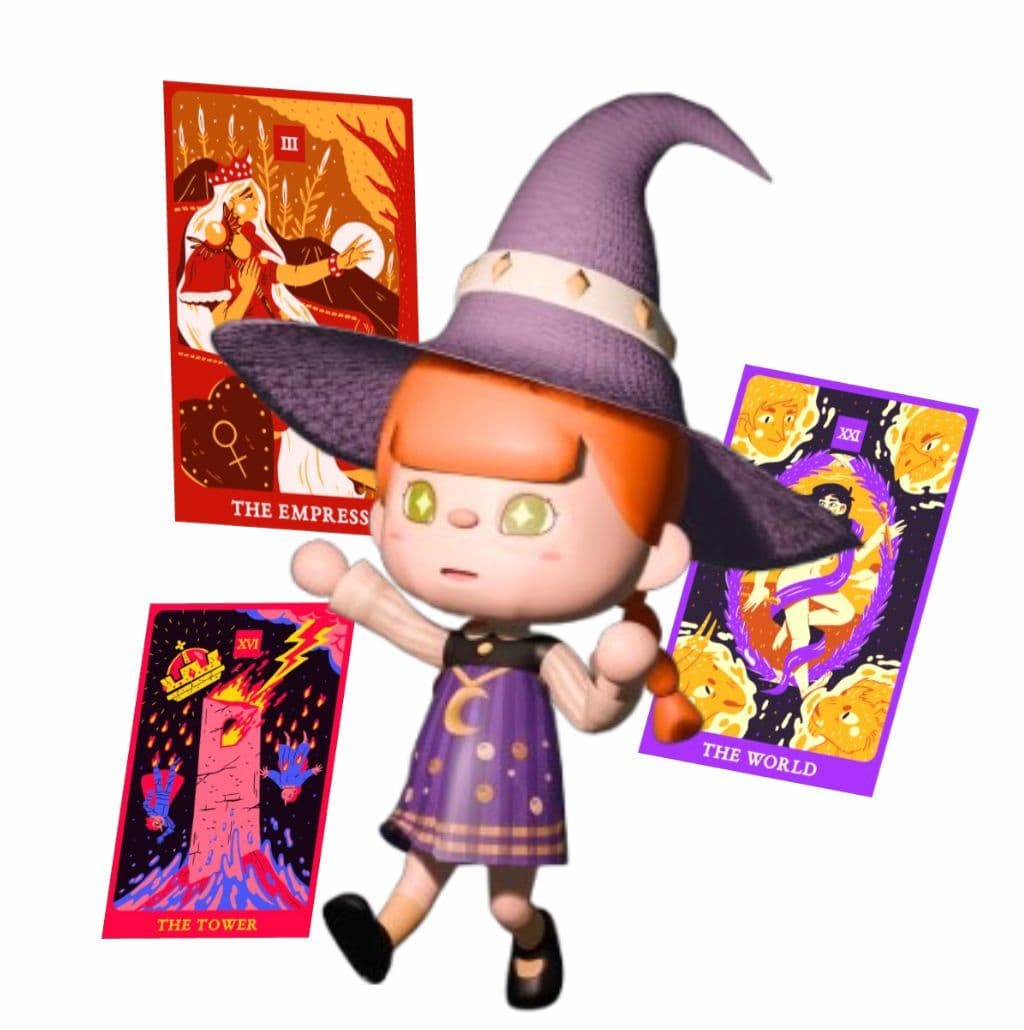
Our project seek to create an Al-powered tarot card reader that bridges the gap between traditional fortune-telling and modern technology. By leveraging a combination of 3D modeling, natural language processing, text-to-speech (TTS), and speech-to-text (STT) systems, the service will deliver an interactive and culturally sensitive experience in Thai and English. Users will input their queries through voice, which will be processed via STT, and receive engaging Al-generated tarot readings through TTS. Additionally, a 3D animated avatar will mimic a real-life fortune teller, adding a visual dimension to the experience. Hosted on a user-friendly website, this platform will redefine fortune-telling by blending tradition with innovation, making it both accessible and engaging for modern users.
คณะวิศวกรรมศาสตร์
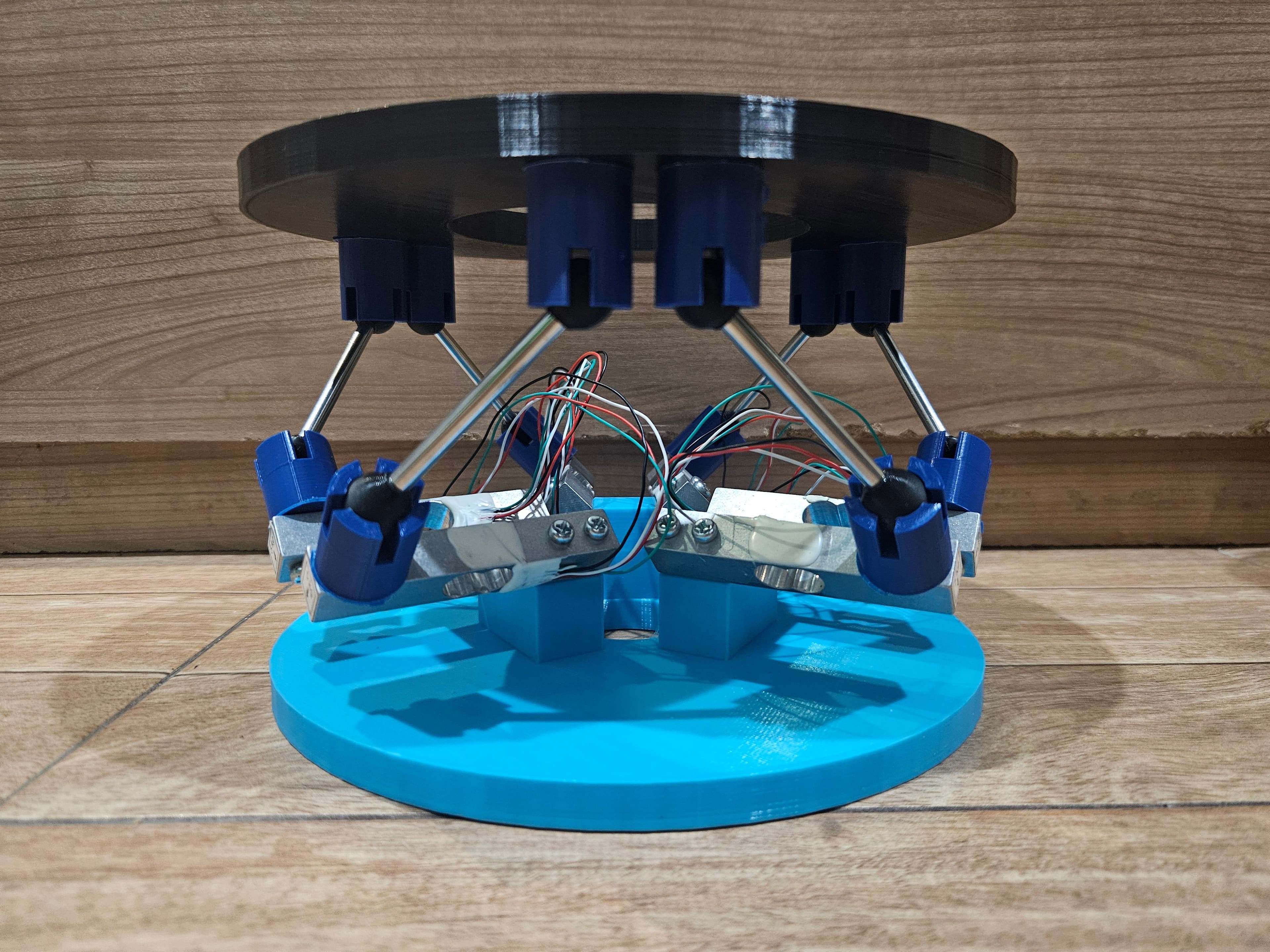
This research project focuses on the design and development of a Manual Control Robot using Load Cell technology to enhance precision and reduce the time required for robot control. The use of automation robots in industries still presents challenges due to the complexity of programming and control. Therefore, developing a manual control system that responds to force input in all directions can significantly improve the efficiency of robots, making them more suitable for tasks requiring precise and intricate control. The study integrates Load Cell sensors, an HX711 amplifier circuit, and an Arduino UNO R3 to develop a control module that translates user-applied forces into commands for an RV-7FRL-D industrial robotic arm. Additionally, MATLAB is utilized for processing Load Cell data to analyze and optimize the robot’s movement accuracy. The results demonstrate that the developed system effectively reduces robot setup time while simplifying and improving control flexibility. This project represents a crucial step in enhancing the capabilities of industrial robots, allowing for seamless human-robot interaction through a manual control system that directly responds to user-applied forces.