

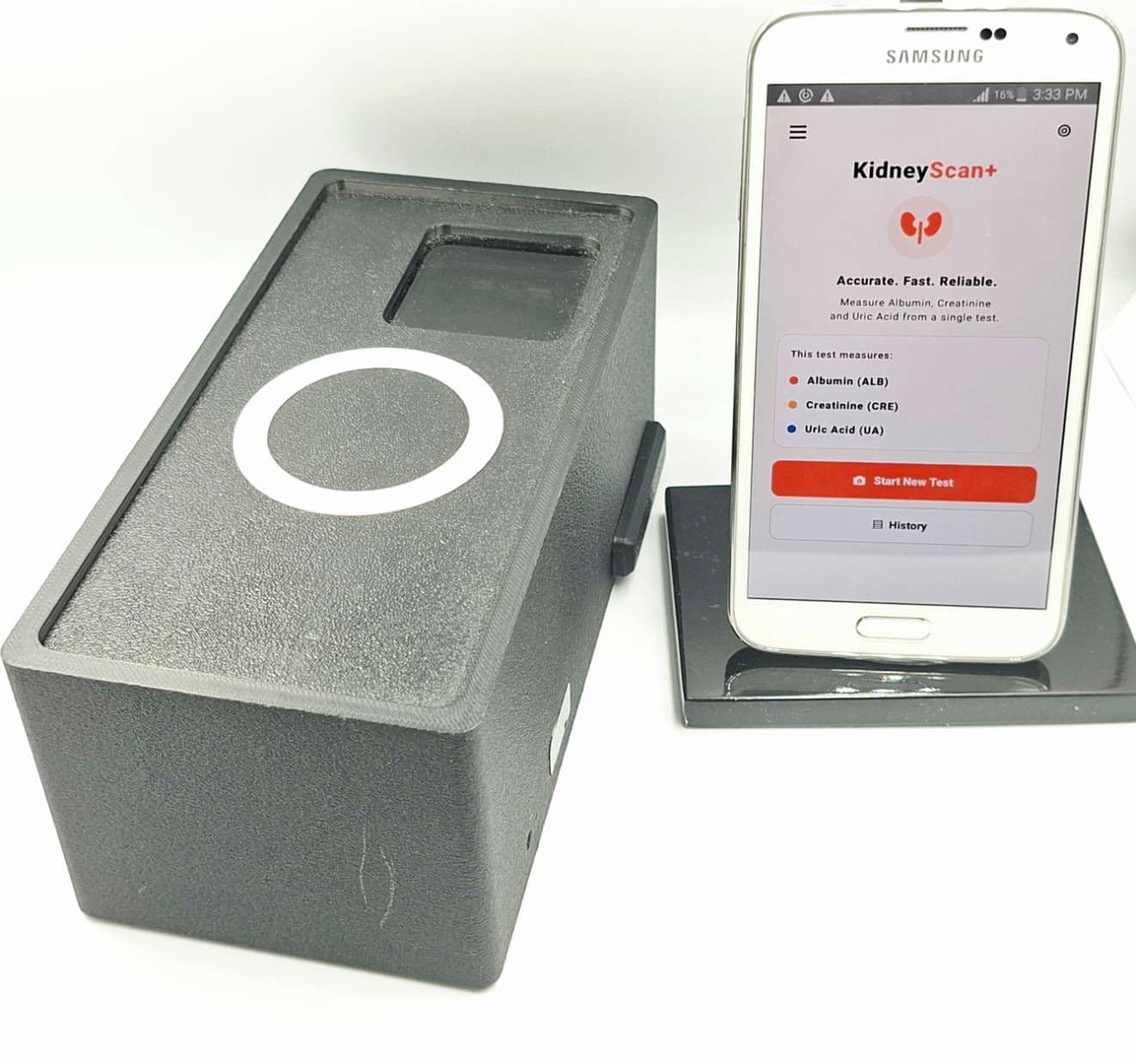
Chronic kidney disease (CKD) and kidney stones are major public health concerns in Thailand, particularly among elderly individuals and patients with diabetes mellitus or hypertension. Early detection of kidney impairment is essential for delaying disease progression and reducing the risk of end-stage renal disease. The albumin-to-creatinine ratio (ACR), together with urinary uric acid measurement, provides valuable clinical information for the early screening and diagnosis of kidney disorders. However, current analytical methods are unable to simultaneously determine all three biomarkers in a single assay and generally require sophisticated laboratory instruments, making them unsuitable for point-of-care testing (POCT) or home-based screening. This research project aims to develop a dual-layer microfluidic paper-based analytical device (µPAD) capable of simultaneously determining urinary albumin, creatinine, and uric acid in a single test. The upper layer will function as a filtration unit, enabling direct analysis of urine samples without dilution or other sample pretreatment, while the lower layer will contain specific colorimetric sensing zones for the selective detection of each analyte. This design is expected to simplify the analytical procedure, minimize matrix interference, and improve user convenience. In addition, a smartphone application, **KidneyScan+**, will be developed for both Android and iOS platforms. The application will employ artificial intelligence (AI)-based image analysis to capture the colorimetric responses from the µPAD, quantify the concentrations of the target analytes, calculate the albumin-to-creatinine ratio (ACR), and provide an immediate assessment of kidney disease risk. The project encompasses the design and fabrication of the µPAD, optimization of analytical conditions, evaluation of analytical performance, validation using real urine samples, and verification of the accuracy and reliability of both the sensing platform and the smartphone application. A portable packaging system containing the testing device, accessories, and user instructions will also be developed to facilitate practical implementation. The expected outcome is an integrated POCT platform consisting of a portable paper-based test and a smartphone application that enables rapid, accurate, and user-friendly screening of chronic kidney disease and kidney stones. The developed technology is anticipated to promote self-screening, support remote healthcare (telehealth), improve access to early diagnosis, and ultimately reduce the burden of kidney diseases on the healthcare system.
โรคไตเรื้อรัง (Chronic Kidney Disease: CKD) เป็นปัญหาสุขภาพที่สำคัญของประเทศไทย โดยเฉพาะอย่างยิ่งในประชากรกลุ่มเสี่ยง เช่น ผู้สูงอายุ ผู้ป่วยโรคเบาหวาน และความดันโลหิตสูง มีงานวิจัยพบว่า คนไทยมีภาวะไตเรื้อรัง สูงถึงร้อยละ 17.5 หากตรวจพบอาการความผิดปกติของไตในระยะเริ่มต้น หรือที่เรียกว่า “ไมโครอัลบูมินูเรีย” จะรักษาผู้ป่วยได้ทันท่วงทีและลดความเสี่ยงต่อภาวะไตวายเรื้อรัง โดยค่าไมโครอัลบูมินูเรีย สามารถประเมินได้จาก “ค่าอัตราส่วนความเข้มข้นของอัลบูมินต่อครีอะตินิน” (Albumin-to-Creatinine Ratio, ACR) การหาค่า ACR นี้ สามารถลดความผิดพลาดในการประเมินภาวะโรคไตอันเกิดจากการเจือจางของอัลบูมินที่ขับออกมาพร้อมปัสสาวะในปริมาณแต่ละครั้งที่ไม่เท่ากัน (Dilution effect) ดังนั้น ในการวินิจฉัยโรคไต จึงต้องมีการตรวจวัดอัลบูมินควบคู่ไปกับครีอะตินินเสมอ เนื่องจากปริมาณครีอะตินินที่ถูกขับถ่ายออกมากับปัสสาวะในแต่ละบุคคล จะมีปริมาณคงที่ในแต่ละวัน ในขณะเดียวกัน โรคนิ่วในไต (Kidney Stones) ก็พบได้ในอัตราสูง โดยเฉพาะในภาคตะวันออกเฉียงเหนือของไทย ซึ่งมีรายงานว่า อาจพบได้สูงถึงร้อยละ 16–18 ของประชากรในบางพื้นที่ นิ่วในไตนอกจากจะทำให้เกิดอาการปวดเฉียบพลันแล้ว ยังสามารถนำไปสู่การอักเสบของทางเดินปัสสาวะและเพิ่มความเสี่ยงต่อการเกิดโรคไตเรื้อรังในระยะยาว และสำหรับในผู้ป่วยโรคไตบางราย นอกจากจะตรวจพบว่ามีปริมาณอัลบูมินสูงกว่าคนปกติแล้ว ยังอาจพบได้ว่ามีปริมาณกรดยูริกสูงด้วย ซึ่งอาจทำให้เกิดการตกผลึกและสะสมที่กรวยไตกลายเป็นนิ่ว ส่งผลให้กรวยไตอักเสบและทำงานผิดปกติ ดังนั้น การตรวจปริมาณกรดยูริกในปัสสาวะนอกเหนือจากการตรวจวัดปริมาณอัลบูมินและครีอะตินิน จึงมีความสำคัญและเป็นประโยชน์ต่อแพทย์ในการวินิจฉัยและรักษาผู้ป่วยด้วยเช่นกัน ในปัจจุบัน วิธีการตรวจหาปริมาณอัลบูมิน, ครีอะตินิน และกรดยูริกในปัสสาวะ ยังไม่มีวิธีหรือเครื่องมือใด ๆ ที่สามารถวิเคราะห์สารทั้งสามตัวพร้อมกันได้ ต้องวิเคราะห์คราวละตัวแปร (หรืออย่างมากที่สุดคือเพียงสองตัวแปรพร้อมกัน) ซึ่งจะมีหลักการตรวจวัดที่แตกต่างกัน ใช้เวลานานกว่าจะรู้ผล อีกทั้งวิธีและเครื่องมือที่ใช้ มักเป็นเครื่องมือขั้นสูง เช่น เทคนิคการแยก และเทคนิค Immunoturbidimetry ที่ใช้เครื่องสเปกโตรโฟโตมิเตอร์ เครื่องมือดังกล่าวเป็นเครื่องมือขนาดใหญ่ ราคาแพง ไม่สามารถทำการทดสอบในลักษณะการตรวจวัดข้างเตียงผู้ป่วย (Point-of-Care Testing; POCT) หรือการตรวจวัดนอกห้องปฏิบัติการได้ ดังนั้น จึงจำเป็นต้องมีวิธีตรวจวัดระดับตัวแปรทั้งสามในปัสสาวะ โดยจะต้องเป็นอุปกรณ์หรือเครื่องมือขนาดเล็ก พกพาสะดวก ผู้ป่วยสามารถตรวจวัดได้เอง และรู้ผลเร็ว ผลตรวจคัดกรองที่ได้มีความถูกต้องน่าเชื่อถือ สามารถนำไปปรึกษาแพทย์ได้เมื่อถึงวันนัด ณ โรงพยาบาล หรือ ปรึกษาในลักษณะการรักษาทางไกล (Tele-health) ในกรณีที่ไม่สะดวกเดินทางไปโรงพยาบาล ในงานวิจัยนี้ จึงมีความมุ่งหวังจะพัฒนาชุดอุปกรณ์สำหรับตรวจคัดกรองปริมาณอัลบูมิน, ครีอะตินิน และกรดยูริกในปัสสาวะภายในคราวเดียวกันทั้งสามตัวแปร โดยมุ่งเน้นให้เป็นอุปกรณ์ตรวจวัดขนาดเล็ก สามารถพกพาได้ ใช้งานสะดวก ซึ่งจะอาศัยหลักการตรวจวัดบนกระดาษ (Microfluidic paper-based analytical devices, µPADs) โดยจะพัฒนาเป็นอุปกรณ์แบบสองชั้นประกบติดกัน เพื่อให้อุปกรณ์ชั้นบนทำหน้าที่ในการกรองตัวอย่างปัสสาวะ ทำให้สามารถตรวจวัดได้โดยตรงและทันทีหลังจากเก็บตัวอย่าง ไม่ต้องนำไปเจือจางหรือเตรียมตัวอย่างเพื่อให้สีปัสสาวะจางลงก่อนการทดสอบแต่อย่างใด โดยตัวอย่างที่ผ่านการกรองจากอุปกรณ์ชั้นบนนี้แล้ว จะไหลลงไปทำปฏิกิริยากับสารเคมีที่ตรึงไว้บนอุปกรณ์ชั้นล่าง เกิดการทำปฏิกิริยาอย่างจำเพาะเจาะจงปราศจากตัวรับกวน ซึ่งหลักการตรวจวัดด้วยปฏิกิริยาเคมี เป็นดังนี้ คือ: (1) อัลบูมินกับเตตระโบรโมฟีนอล์ฟทาลีนเอธิลเอสเทอร์และอะซิเตทบัฟเฟอร์ พีเอช 3.2 (2) ครีอะตินินกับอนุภาคทองนาโน และ (3) กรดยูริกกับเฟอริกไซยาไนด์และเฟอริกคลอไรด์ ในส่วนที่สำคัญอย่างยิ่ง นอกเหนือจากการประดิษฐ์ชุดอุปกรณ์ดังข้างต้นแล้ว ในโครงการนี้ จะได้พัฒนาแอพพลิเคชันบนโทรศัพท์มือถือ ภายใต้ชื่อ “KidneyScan+ (Kidney Scan Plus)” ซึ่งจะออกแบบให้รองรับทั้งระบบปฏิบัติการแบบ Android และ iOS โดยแอพพลิเคชันจะทำงานในลักษณะ Artificial intelligence (AI) ทำหน้าที่ 2 ประการ คือ (1) ถ่ายรูปสีของผลิตภัณฑ์ที่เกิดขึ้นบนอุปกรณ์ชั้นล่างด้วยกล้องโทรศัพท์มือถือ และ (2) ประมวลผลค่าความเข้มสีเพื่อเปลี่ยนเป็นค่าความเข้มข้น แล้วรายงานผลบนหน้าจอโทรศัพท์มือถือพร้อมประเมินความเสี่ยงของโรค ในส่วนของกรอบงานวิจัยนั้น จะได้ออกแบบพร้อมทั้งผลิตอุปกรณ์การตรวจวัดบนกระดาษ และทำการศึกษาสภาวะที่เหมาะสมสำหรับการวิเคราะห์หาปริมาณอัลบูมิน, ครีอะตินิน และกรดยูริก แล้วจึงประยุกต์ใช้กับตัวอย่างปัสสาวะโดยการใช้ KidneyScan+ รวมถึงทดสอบความถูกต้องของวิธีและแอพพลิเคชันที่พัฒนาขึ้น และเพื่อเป็นการอำนวยความสะดวกสะดวกในการพกพา โครงการนี้ จะออกแบบการบรรจุผลิตภัณฑ์ (Packaging) ในรูปแบบกระเป๋า/กล่องหิ้ว ซึ่งภายในบรรจุอุปกรณ์การตรวจวัดบนกระดาษและอุปกรณ์ประกอบที่เกี่ยวข้อง รวมถึงแผ่นพับคู่มือการใช้งาน เพื่ออำนวยความสะดวกแก่ผู้ใช้งาน โดยคาดหวังว่าจะได้ชุดอุปกรณ์พร้อมแอพพลิเคชันสำหรับตรวจคัดกรองโรคไตเรื้อรังและโรคนิ่ว ที่ซึ่งผู้ป่วยสามารถตรวจคัดกรองได้ด้วยตนเอง รู้ผลเร็ว และ ให้ผลการตรวจคัดกรองแม่นยำ

คณะเทคโนโลยีการเกษตร
-
คณะอุตสาหกรรมอาหาร
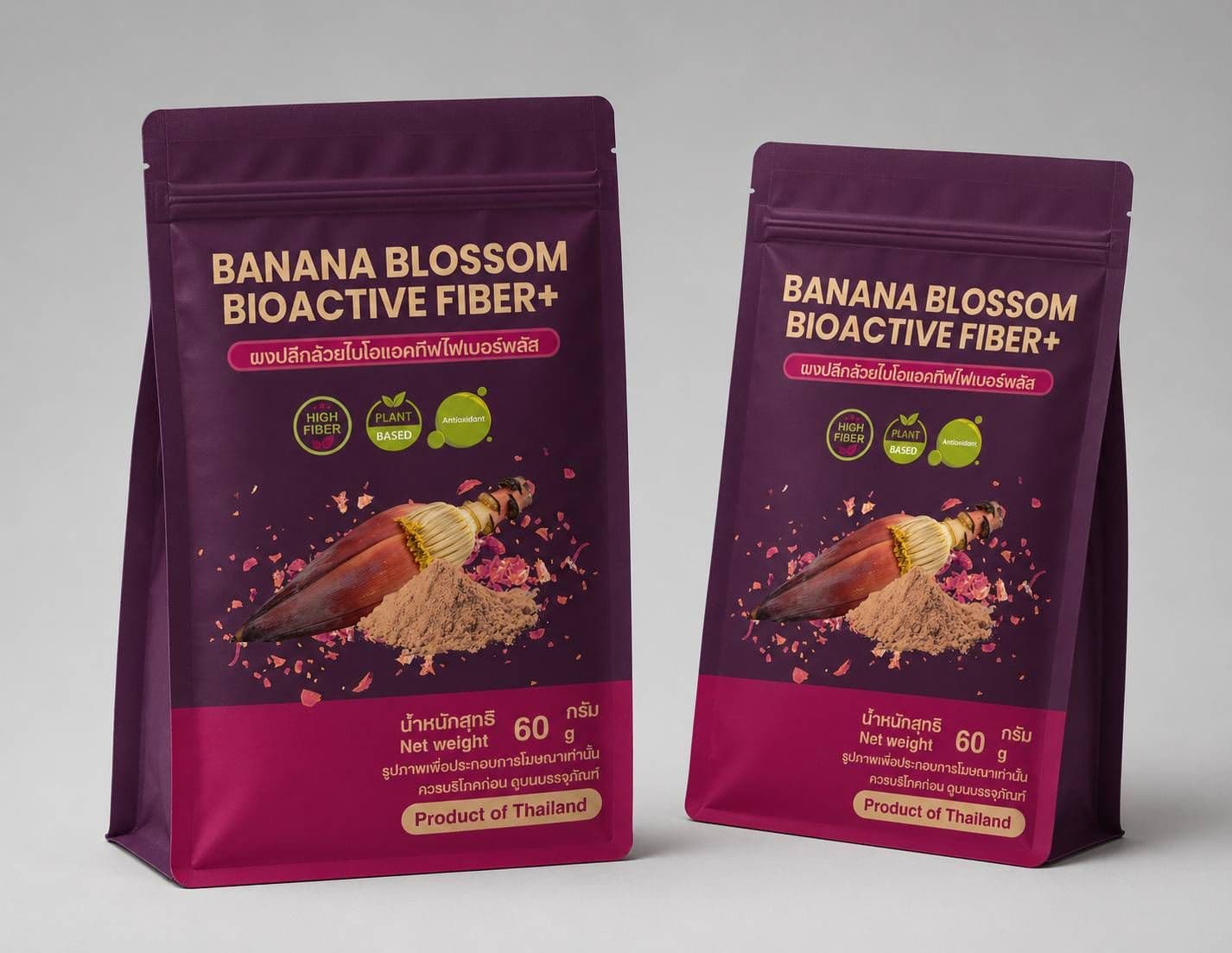
Banana blossom is an agricultural by-product with considerable potential for development into a value-added food ingredient due to its dietary fiber and naturally occurring bioactive compounds, particularly phenolic compounds and flavonoids associated with antioxidant properties. However, its application in food products is limited by several quality-related characteristics, including coarse texture, dark color resulting from browning reactions, and astringency, which may negatively affect product quality and consumer acceptance. This study aims to develop an innovative process for banana blossom powder production using pretreatment with citric and ascorbic acids combined with ultrasound-assisted treatment. The process is designed to reduce astringency, control browning, improve physical characteristics, and retain important bioactive compounds in banana blossom prior to drying and powder production. The resulting banana blossom powder will be evaluated for its nutritional composition, dietary fiber content, bioactive compounds, antioxidant properties, and functional properties. The developed banana blossom powder will subsequently be incorporated as an ingredient in a healthy snack product using extrusion technology, followed by quality evaluation of the developed prototype. This study integrates agricultural by-product upcycling with food processing technology to transform banana blossom into a fiber-rich food ingredient containing naturally occurring bioactive compounds and further develop it into a healthy food product that responds to current health and sustainability trends. This approach also creates opportunities for technology transfer and future commercial applications.

Asphalt pavements in Thailand frequently deteriorate due to moisture damage and rutting under tropical climate and heavy traffic, leading to high maintenance costs. Conventional rehabilitation by milling and replacing damaged layers generates large amounts of Reclaimed Asphalt Pavement (RAP). Although RAP is reused to enhance sustainability, its aged binder suffers from oxidative hardening and reduced performance, requiring rejuvenation. Most conventional rejuvenators are petroleum-based and contribute to environmental pollution. Therefore, this study proposes environmentally friendly alternatives using bio-oil and biochar derived from sugarcane bagasse, along with Fatty Acid Methyl Ester (FAME), to restore RAP performance while promoting sustainable waste utilization. The objective of this research is to evaluate the effects of different proportions of these natural rejuvenating agents on recycled asphalt mixtures containing 80% RAP and 20% virgin aggregates. The mixtures were tested using the Marshall Stability and Tensile Strength Ratio (TSR) tests under dry and wet conditions to assess strength and moisture susceptibility. The results aim to determine whether these natural materials can effectively restore RAP properties to meet standard performance requirements.