
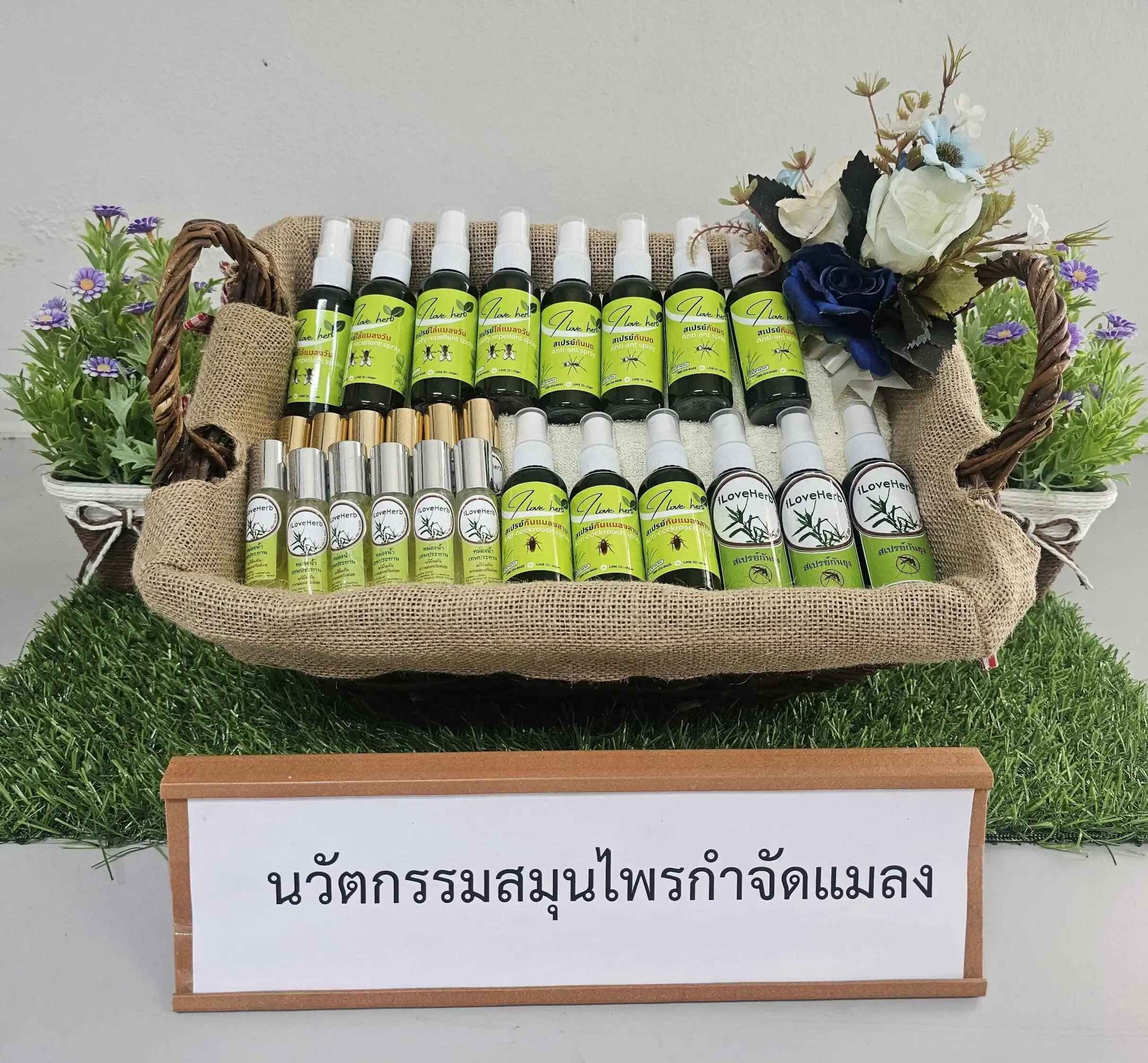
Major medical and veterinary pests including the mosquitoes, houseflies and cockroaches pose health problems for humans and mammals and create more visual obstruction. Therefore, this research discovered a formula of essential oils and active ingredients from herbal plants that are highly effective in controlling and eliminating these insects compared to chemical insecticides, are safe for non-target organisms living in the environment, and are stable and maintain the active properties of the compounds. These formulas can be developed into environmentally friendly natural products to replace or reduce the use of chemical insecticides.
แมลงศัตรูทางการแพทย์และสัตวแพทย์มีแมลงหลากหลายชนิดที่ก่อให้เกิดปัญหาทางด้านสาธารณสุขและสัตว์เลี้ยงต่างๆอย่างมากมายกับประชากรทั่วโลก โดยเน้นแมลงที่มีความสำคัญในทางการแพทย์และสัตวแพทย์ในปัจจุบัน ได้แก่ ยุงลายบ้าน แมลงวันบ้าน แมลงวันคอกสัตว์ เหามนุษย์ แมลงสาบอเมริกัน และแมลงสาบเยอรมัน เพราะแมลงศัตรูเหล่านี้เป็นแมลงพาหะที่นำโรคมาสู่มนุษย์และสัตว์เลี้ยง อาทิเช่น โรคไข้เลือดออก โรคไข้ปวดข้อ เป็นต้น จากปัญหาดังกล่าวจึงมีความจำเป็นอย่างมากในการหาแนวทางป้องกันกำจัดแหล่งเพาะพันธุ์ของแมลงศัตรูเหล่านี้ เพื่อเป็นการตัดวงจรชีวิตและการควบคุมระบาด ซึ่งส่วนมากนิยมใช้สารเคมีสังเคราะห์ในการกำจัดแมลงที่สามารถลดจำนวนประชากรของแมลงได้อย่างรวดเร็ว แต่การใช้สารเคมีสังเคราะห์ในการกำจัดแมลงเป็นเวลานานๆ ทำให้เกิดผลเสียต่างๆตามมา เช่น แมลงศัตรูทางการแพทย์และสัตวแพทย์สร้างความต้านทานต่อสารเคมีสังเคราะห์ จำเป็นต้องเปลี่ยนสารเคมีสังเคราะห์ชนิดใหม่ๆ หรือใช้ในปริมาณที่สูงขึ้น ทำให้เกิดการระบาดของแมลงพาหะชนิดใหม่ซึ่งแต่ก่อนไม่เคยมีความสำคัญเกิดการระบาดเป็นแมลงศัตรูขึ้นมาได้ และประการสำคัญคือสารเคมีสังเคราะห์มีความเป็นพิษสูงกับสิ่งมีชีวิตชนิดอื่นๆที่ไม่ต้องการทำลายต้องตายไปด้วย เช่น ปลา แมลงในน้ำ ไส้เดือน เป็นต้น รวมทั้งผึ้งและแมลงมีประโยชน์ชนิดต่างๆ ปัจจุบันมีการนำน้ำมันหอมระเหยจากพืชและสารออกฤทธิ์หลักมาใช้ในการป้องกันกำจัดแมลงศัตรูทางการแพทย์และสัตวแพทย์อย่างแพร่หลาย ดังนั้นในการวิจัยครั้งนี้จึงมุ่งเน้นหาน้ำมันหอมระเหยจากพืชและสารออกฤทธิ์ที่มีประสิทธิภาพดีในการกำจัดทุกระยะการเจริญเติบโตของแมลงศัตรูทางการแพทย์และสัตวแพทย์ มีความปลอดภัยต่อผู้ใช้งานและเป็นมิตรต่อสิ่งแวดล้อม
คณะสถาปัตยกรรม ศิลปะและการออกแบบ
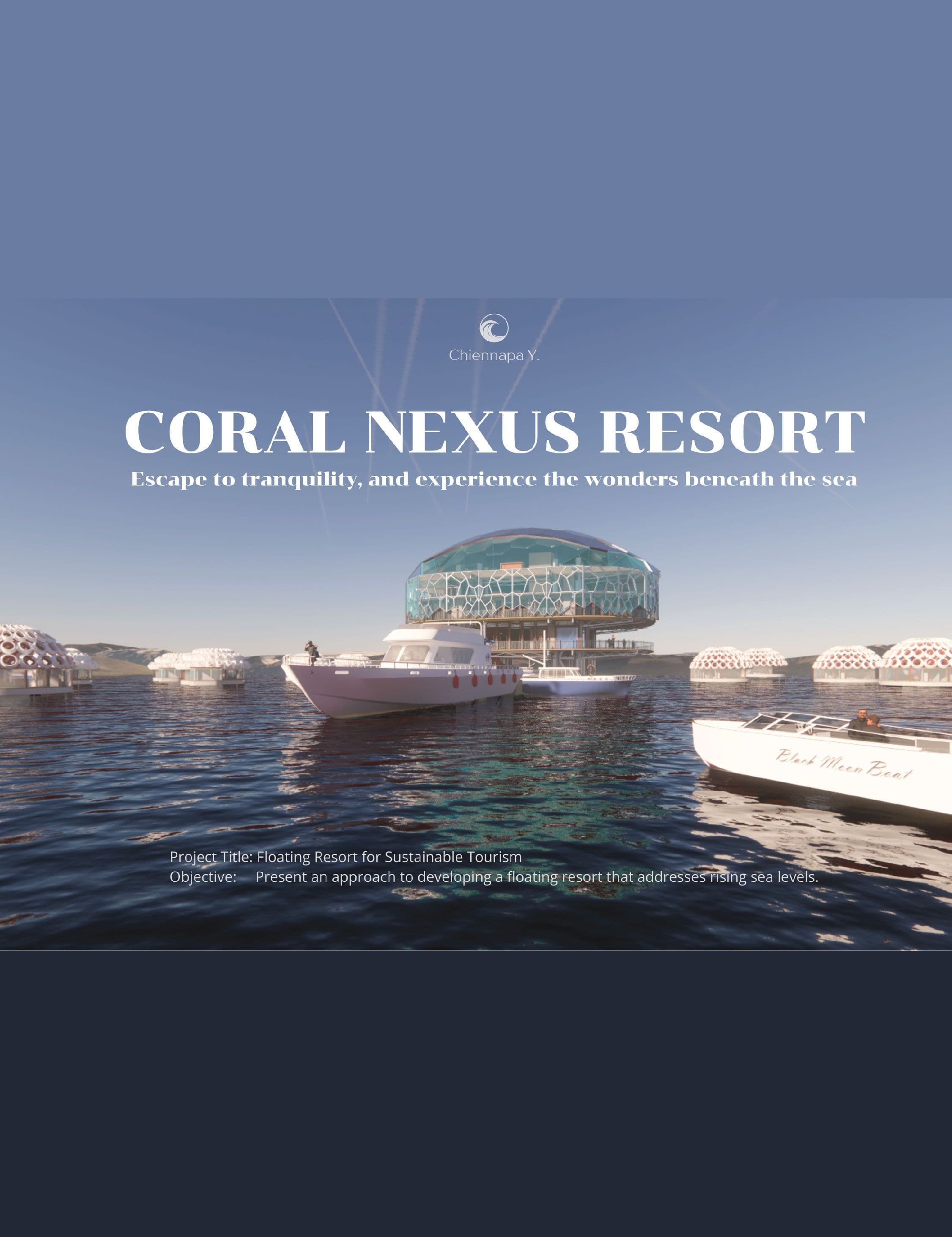
Koh Tao, a picturesque island in Thailand, is famous for its breathtaking coral reefs and vibrant marine life, attracting diving enthusiasts from all over the world. Despite its natural beauty, the island currently lacks innovative accommodations that enhance the visitor experience and promote environmental sustainability. This project proposes the development of a unique four-star floating resort with underwater villas, designed to offer an extraordinary lodging experience that fosters a deeper connection with the marine environment. By incorporating sustainable practices into the resort's design and operations, the project addresses the growing demand for eco-friendly tourism in the region. The floating resort concept aims not only to provide guests with an immersive experience but also to raise awareness about marine conservation. Through eco-friendly design and operations, the resort seeks to set a benchmark for sustainable tourism in Koh Tao, showcasing how accommodations can align with environmental stewardship, benefiting both the local ecosystem and tourism.
คณะวิศวกรรมศาสตร์
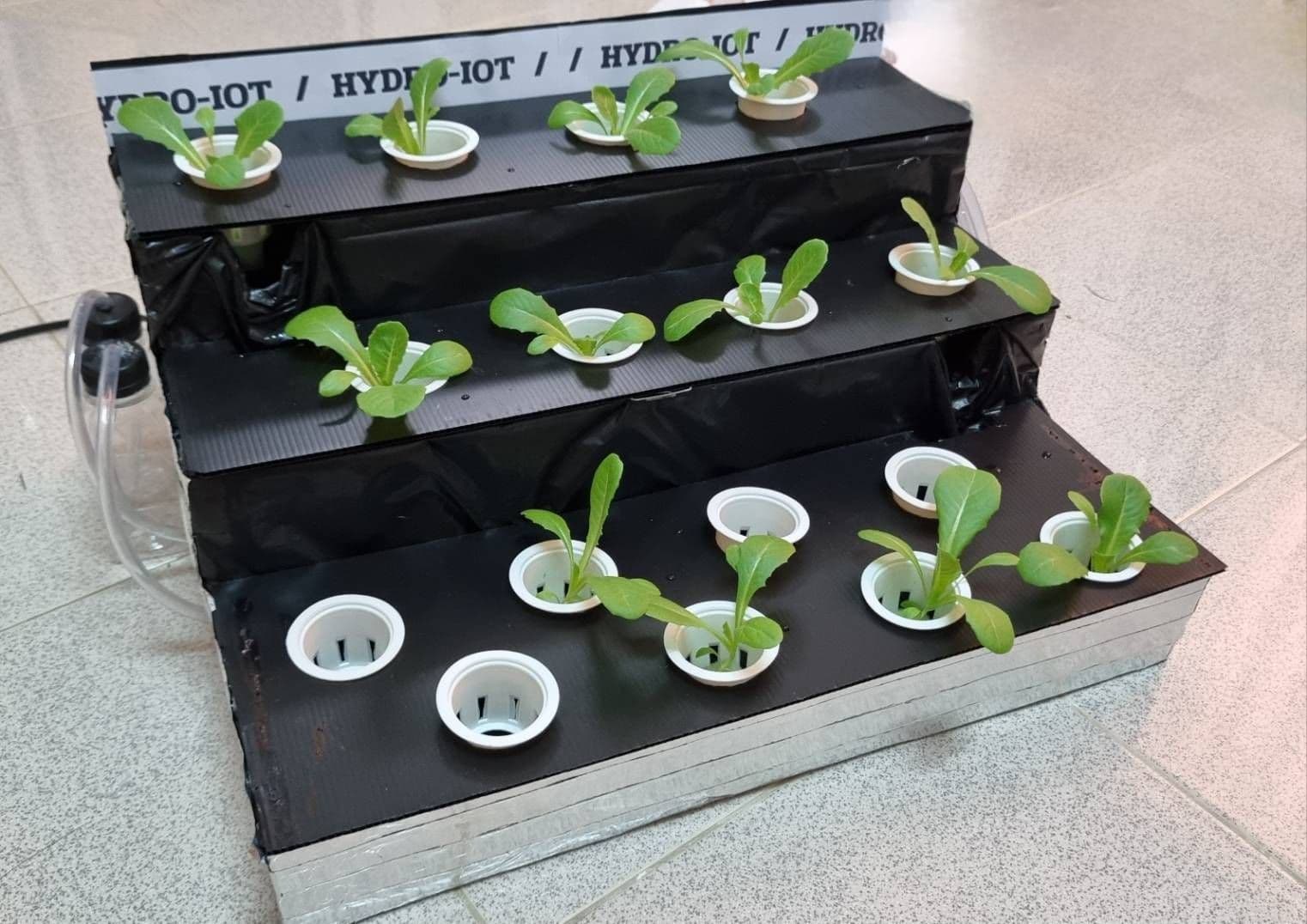
A small hydroponic vegetable growing system simulation kit with water flow system that monitors, maintains and controls the amount of fertilizer in the system.
คณะครุศาสตร์อุตสาหกรรมและเทคโนโลยี
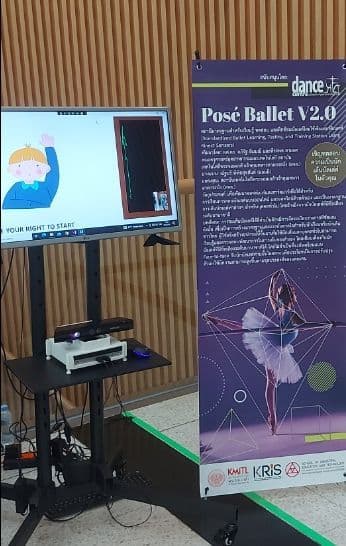
Ballet dancing requires clear and precise body gestures. To raise standard and motivation for Thai ballet dancers, this testing console is developed such that dancers and beginners are able to learn and keep track of their dancing progress. Their gestures can be compared with internationally recognized ballet dancers without face-to-face learning. This enables self-development according to their purposes and pace. The portable console is easy to use. Connect it to a monitor, turn on, and enjoy.