

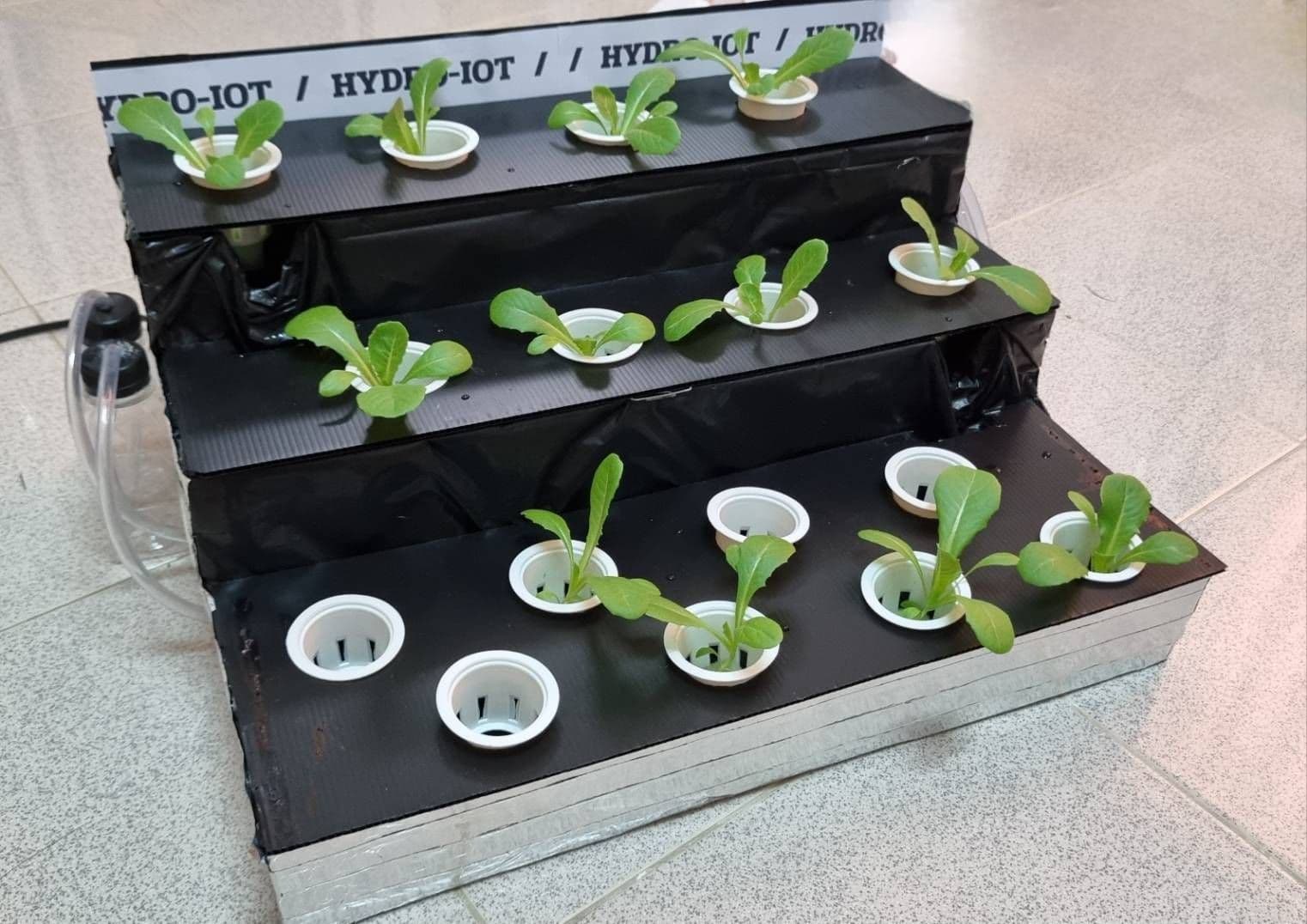
A small hydroponic vegetable growing system simulation kit with water flow system that monitors, maintains and controls the amount of fertilizer in the system.
ในปัจจุบันผู้คนหันมาสนใจการปลูกผักไฮโดรโปนิกส์เพื่อสำหรับการบริโภคภายในครัวเรือนมากขึ้น และด้วยวิถีชีวิตในปัจจุบันที่มีพื้นที่จำกัดและมีเวลาที่จำกัด การดูแลและติดตั้งระบบปลูกผักไฮโดรโปนิกส์จึงยังมีข้อจำกัดเหล่านี้ การมีตัวช่วยในการดูแลผักและใช้พื้นที่ขนาดเล็กจะช่วยตอบโจทย์ให้กับวิถีชีวิตของคนในปัจจุบัน ที่มีเวลาดูแลฟาร์มและพื้นที่ที่จำกัด
คณะวิศวกรรมศาสตร์
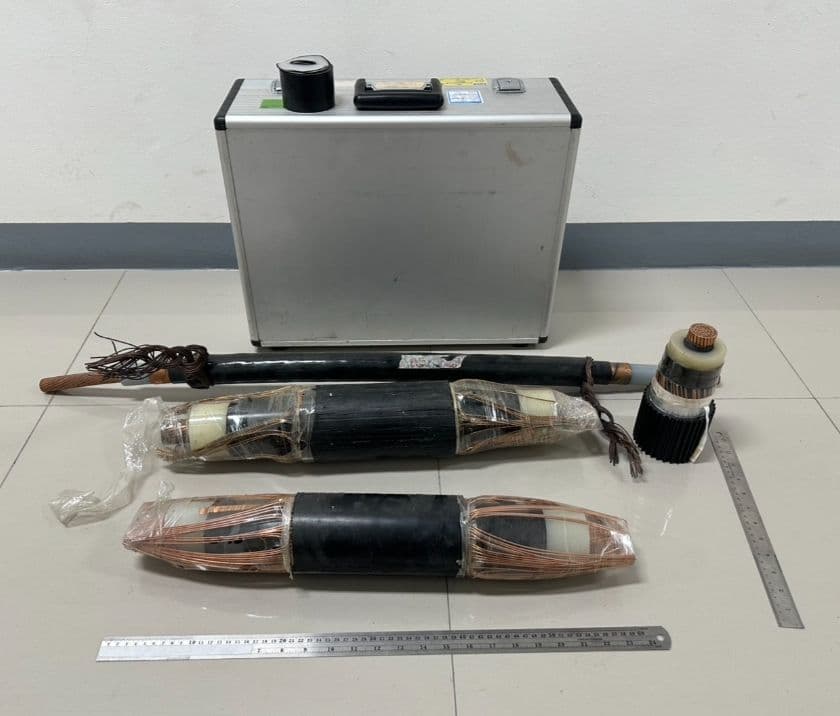
Due to the modern urban system's high demand for stable electricity supply, underground cable power transmission has been increasingly adopted as a replacement for overhead power transmission. However, underground cable transmission still faces several operational challenges, such as significantly higher investment costs compared to overhead transmission, prolonged repair times in the event of system failures, limited fault analysis capabilities, and restricted capacity for additional load handling. This research project is designed to study the issues associated with the 22 kV XLPE underground cable system by utilizing the polarization and depolarization current analysis technique, a modern insulation diagnostic method.

คณะเทคโนโลยีการเกษตร
The Public park project : Ancient Sea Park. This's a new park in Aangsila Chonburi make for learn and travel in concept The sea in 65 million years ago.

คณะวิทยาศาสตร์
Listeriosis is a severe foodborne illness characterized by a fatality rate exceeding 30%, attributed to the pathogen Listeria monocytogenes. This study evaluated 160 lactic acid bacteria (LAB) isolated from Thai pickled crabs for their potential as agents against L. monocytogenes and for their probiotic properties and probiogenomic characteristics. Among these strains, strain DRC3-2 exhibited activity through the synthesis of bacteriocin DRC3-2, which significantly inhibited L. monocytogenes ATCC 19115 in spot-on-lawn assays. Phenotypic and whole-genome analyses revealed that strain DRC3-2 thrived in environments with 2-6% NaCl, pH values ranging from 3 to 9, and temperatures between 25 and 45°C. Based on average nucleotide identity (ANI) and digital DNA‒DNA hybridization (dDDH) values, strain DRC3-2 was taxonomically classified as Lactococcus lactis subsp. hordinae. The production of bacteriocin DRC3-2 peaked during the late stationary phase, following its synthesis in the early exponential growth phase. BAGEL4 analysis identified the putative novel bacteriocin DRC3-2 as lactococcin A and B, with respective bit-scores of 40.05 and 36.58. In silico safety assessments confirmed the nonpathogenic nature of strain DRC3-2 in humans, highlighting its absence of antibiotic resistance genes. Finally, this investigation underscores the novel bacteriocin DRC3-2 for application in the prevention and treatment of L. monocytogenes infections.