

This project aims to design and develop an electric tuk-tuk by converting the traditional combustion engine system to an electric system, supporting the reduction of air pollution and promoting sustainable automotive technology. The electric tuk-tuk is designed using a BLDC electric motor and a control system specifically adapted for the unique driving style of three-wheeled vehicles in Thailand. The study considers suitable energy systems and includes interviews with traditional tuk-tuk drivers to ensure the vehicle meets everyday usability needs. The findings suggest that adopting electric tuk-tuks not only reduces emissions and PM2.5 particulate matter but also enhances an eco-friendly image for Thailand’s tourism sector while supporting domestic innovation and economic growth.
ในช่วงไม่กี่ทศวรรษที่ผ่านมาปัญหาสิ่งแวดล้อมได้รับความสนใจอย่างมากจากทั่วโลก โดยเฉพาะในประเทศไทยที่เผชิญกับปัญหามลพิษทางอากาศอย่างรุนแรง ซึ่งเป็นหนึ่งในวิกฤตสำคัญของเมืองใหญ่เช่นกรุงเทพฯ ที่ค่าฝุ่น PM2.5 สูงถึง 27.4ไมโครกรัมต่อลูกบาศก์เมตร หรือเกินมาตรฐานขององค์การอนามัยโลก (WHO) ถึง 5 เท่า สาเหตุหลักของปัญหานี้มาจากยานพาหนะที่ใช้เครื่องยนต์สันดาปภายใน(ICE) โดยเฉพาะในยานพาหนะที่ใช้เชื้อเพลิงฟอสซิลซึ่งปล่อยทั้งก๊าซคาร์บอนไดออกไซด์(CO2) คาร์บอนมอนอกไซด์ (CO) และฝุ่น PM2.5 ซึ่งล้วนแต่ส่งผลกระทบต่อคุณภาพอากาศและสุขภาพของประชาชนรถตุ๊กตุ๊กซึ่งเป็นเอกลักษณ์ของไทยและเป็นที่นิยมในหมู่นักท่องเที่ยวเป็นอีกหนึ่งยานพาหนะที่ใช้งานมาอย่างยาวนานและมักใช้เครื่องยนต์สันดาปที่มีประสิทธิภาพต่ำ ทำให้ปล่อยมลพิษสูงกว่ายานพาหนะที่ใช้เทคโนโลยีใหม่ ดังนั้นการพัฒนารถตุ๊กตุ๊กไฟฟ้าจึงมีความสำคัญเพื่อลดการปล่อยมลพิษ ควบคู่ไปกับการรักษาเอกลักษณ์ของไทยให้คงอยู่ การเปลี่ยนรถตุ๊กตุ๊กจากเครื่องยนต์สันดาปเป็นรถไฟฟ้าจะช่วยลดการปล่อยก๊าซเรือนกระจกได้อย่างมาก โดยหากตุ๊กตุ๊กเปลี่ยนมาเป็นรถไฟฟ้าจะลดการปล่อยก๊าซเรือนกระจกจากเดิม 6.2 ตันต่อปีเหลือเพียง2 ตันต่อปี หรือคิดเป็นการลดลงถึง 67% ซึ่งสอดคล้องกับนโยบายของรัฐบาลไทยที่ตั้งเป้าลดการปล่อยก๊าซเรือนกระจกให้ได้ 20-25% ภายในปี 2573 ตามข้อตกลงปารีส (Paris Agreement) นอกจากนี้รถตุ๊กตุ๊กไฟฟ้ายังมีค่าใช้จ่ายในการบำรุงรักษาต่ำกว่ารถที่ใช้เครื่องยนต์เชื้อเพลิง เพราะไม่มีเครื่องยนต์สันดาปที่ซับซ้อนช่วยให้เจ้าของรถประหยัดค่าใช้จ่ายในระยะยาว อีกทั้งยังช่วยเสริมสร้างภาพลักษณ์ด้านสิ่งแวดล้อมให้แก่ประเทศไทย สนับสนุนการท่องเที่ยวที่เป็นมิตรต่อสิ่งแวดล้อม และเพิ่มโอกาสในการพัฒนาเทคโนโลยีในประเทศซึ่งนอกจากจะเป็นการรักษาสิ่งแวดล้อมแล้วยังสร้างโอกาสใหม่ๆในด้านเศรษฐกิจและการท่องเที่ยวอย่างยั่งยืน
คณะสถาปัตยกรรม ศิลปะและการออกแบบ
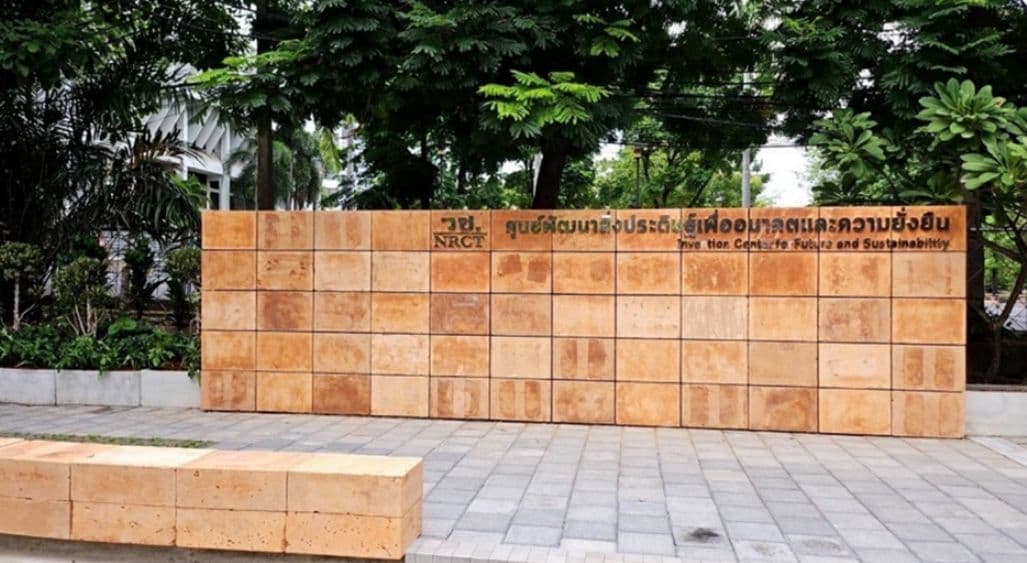
The " Center of Invention for Future and Sustainability Project (Continuing)" serves as a continuation of a pilot initiative focused on the retrofitting of older buildings (Vach. 7), specifically a five-story structure. The primary aim of this project is to develop methodologies for enhancing the sustainability of existing buildings in order to mitigate carbon dioxide emissions. In the execution of the Future and Sustainability Innovation Development Center Project (Continuing), a comprehensive analysis of relevant data and theoretical frameworks has been undertaken, leading to the formulation of a research methodology designed to identify optimal strategies for retrofitting older buildings to reduce carbon dioxide emissions. This approach is structured into three principal phases: the combustion of fuels associated with transportation, labor, and materials; the electricity consumption during the construction process; and the accumulation of greenhouse gases from both existing and new construction materials. The project employs an experimental research design, wherein empirical data is collected to evaluate and quantify the equivalent carbon dioxide emissions arising from the construction of new buildings compared to the retrofitting of the selected case study building. Subsequent analysis of the collected data revealed that retrofitting the existing structure—through the integration of sustainable design principles—resulted in greenhouse gas emissions of 11.88 kgCO2e/sq.m. In contrast, the emissions associated with new building construction amounted to 299.35 kgCO2e/sq.m., indicating a reduction in carbon dioxide emissions by a factor of approximately 26 when compared to the construction of new buildings.

คณะเทคโนโลยีการเกษตร
The development of a board game to enhance cooking skills focuses on a popular and well-known dish—burgers. This study integrates learning with interactive gameplay, allowing players to gain knowledge about burgers, including their ingredients, preparation methods, and even the basics of running a burger business. Through hands-on activities and engaging game mechanics, players can develop both their culinary skills and entrepreneurial mindset while enjoying the fun and immersive experience of the board game.
คณะเทคโนโลยีการเกษตร
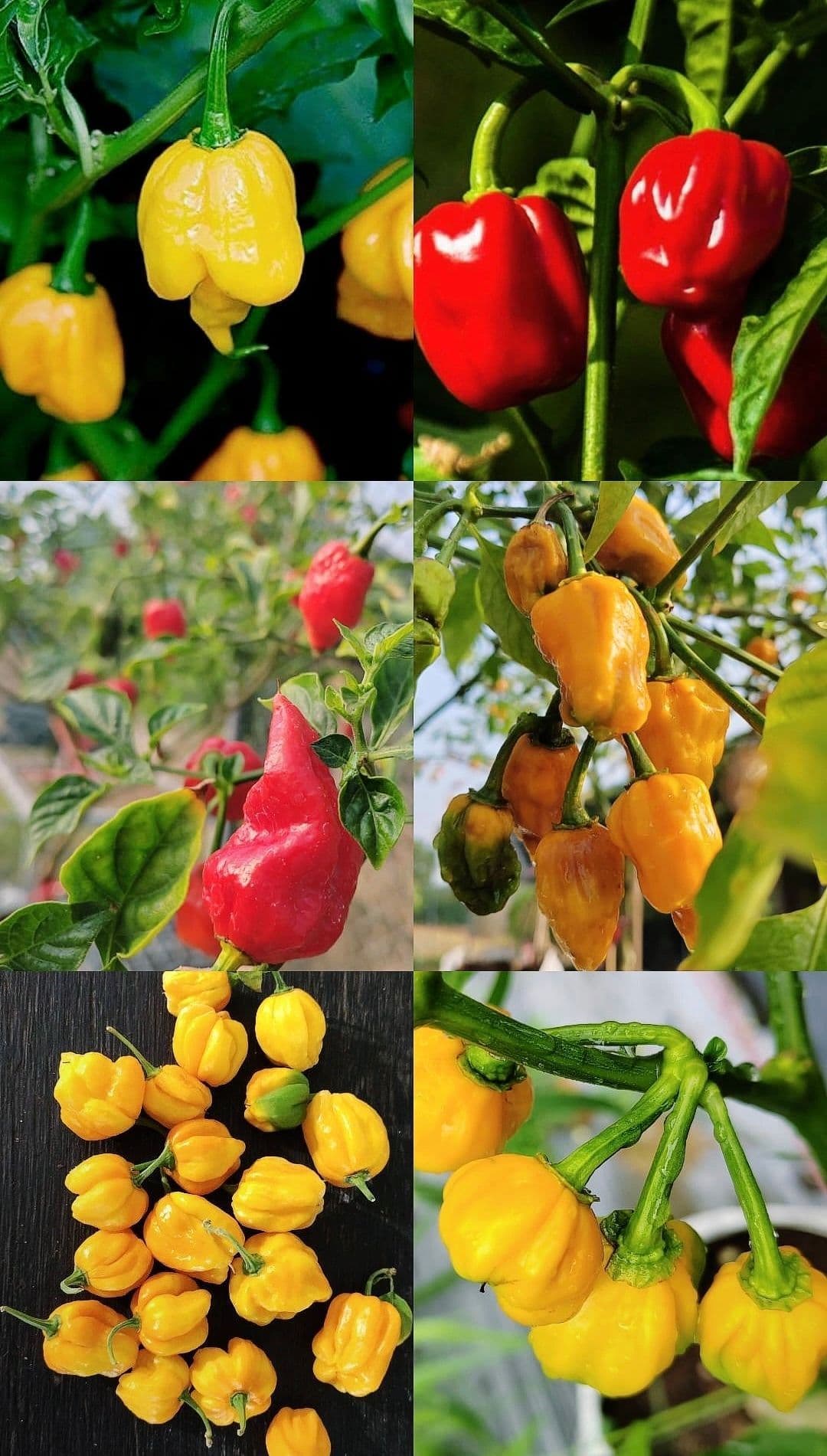
Capsicum chinense is a high-potential economic crop in the food and pharmaceutical industries due to its role as a primary source of capsaicin, a bioactive compound with significant physiological effects. However, capsaicin levels and fruit quality will be influenced by genetic factors, environmental conditions, and genetic-by-environment (G×E) interactions, leading to variability in capsaicin biosynthesis. This study will aim to analyze the impact of different environmental conditions on the growth, fruit quality, and capsaicin content of C. chinense ‘Scotch Bonnet’. The field experiments will be conducted at the demonstration plots of the Faculty of Agricultural Technology, King Mongkut’s Institute of Technology Ladkrabang, during two growing seasons: July–October (rainy season) and December–April (dry season). Four condition environments will be evaluated, and environmental parameters such as temperature, relative humidity, and light quality will be monitored to assess their effects on plant physiology and capsaicin biosynthesis. Additionally, an F1 hybrid breeding program will be established using six parental lines through a Half-diallel mating design, generating 15 hybrid combinations. The general combining ability (GCA) and specific combining ability (SCA) will be assessed to identify promising hybrid combinations with high and stable capsaicin content and yield. The findings from this study will be expected to provide valuable insights into optimizing cultivation conditions for high-pungency chili production and supporting the development of F1 hybrid seeds with commercial viability and consistent capsaicin levels.