

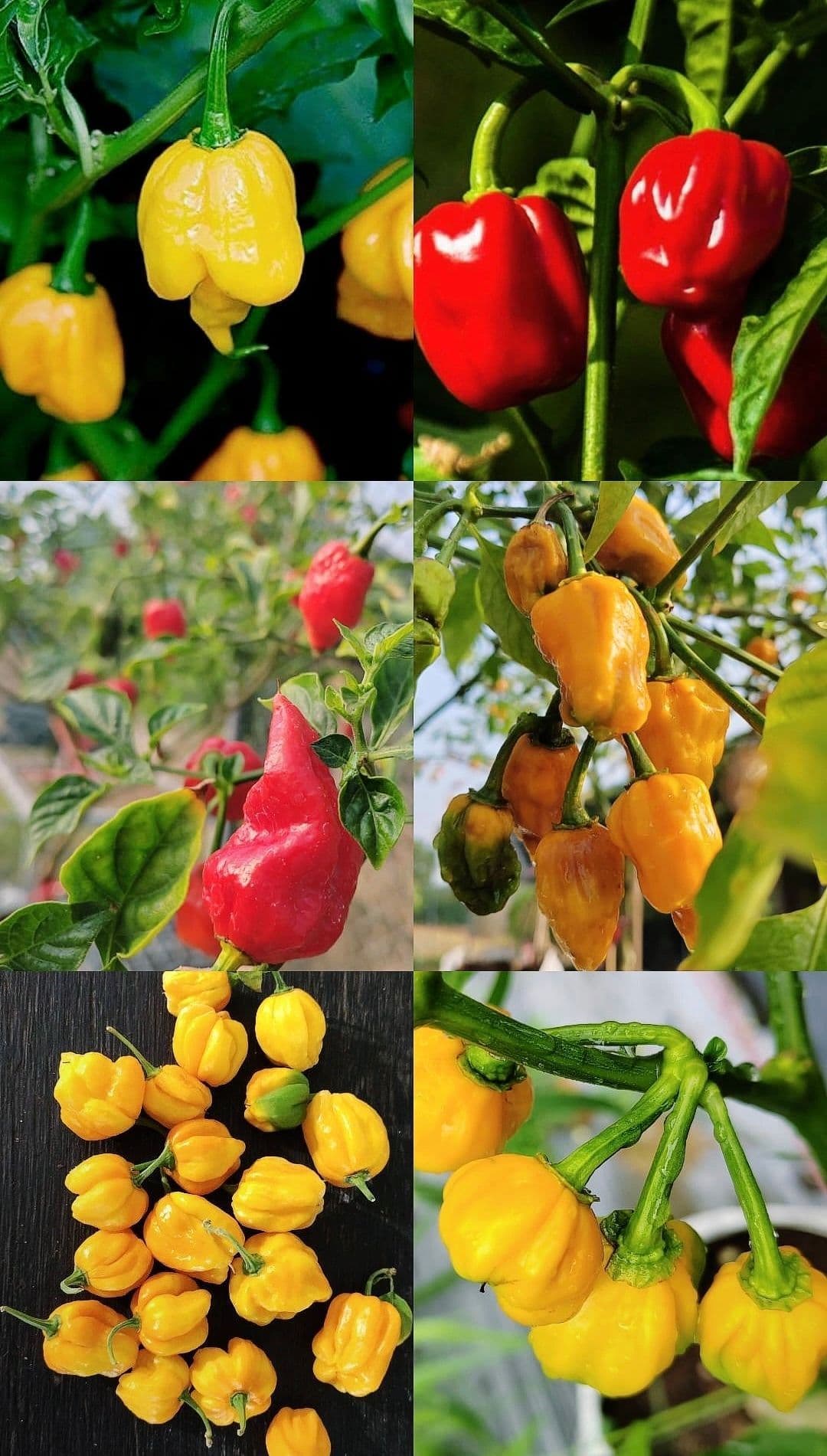
Capsicum chinense is a high-potential economic crop in the food and pharmaceutical industries due to its role as a primary source of capsaicin, a bioactive compound with significant physiological effects. However, capsaicin levels and fruit quality will be influenced by genetic factors, environmental conditions, and genetic-by-environment (G×E) interactions, leading to variability in capsaicin biosynthesis. This study will aim to analyze the impact of different environmental conditions on the growth, fruit quality, and capsaicin content of C. chinense ‘Scotch Bonnet’. The field experiments will be conducted at the demonstration plots of the Faculty of Agricultural Technology, King Mongkut’s Institute of Technology Ladkrabang, during two growing seasons: July–October (rainy season) and December–April (dry season). Four condition environments will be evaluated, and environmental parameters such as temperature, relative humidity, and light quality will be monitored to assess their effects on plant physiology and capsaicin biosynthesis. Additionally, an F1 hybrid breeding program will be established using six parental lines through a Half-diallel mating design, generating 15 hybrid combinations. The general combining ability (GCA) and specific combining ability (SCA) will be assessed to identify promising hybrid combinations with high and stable capsaicin content and yield. The findings from this study will be expected to provide valuable insights into optimizing cultivation conditions for high-pungency chili production and supporting the development of F1 hybrid seeds with commercial viability and consistent capsaicin levels.
พริก (Capsicum spp.) เป็นพืชเศรษฐกิจที่มีความสำคัญในอุตสาหกรรมอาหารและยา เนื่องจากเป็นแหล่งของสารแคปไซซิน ซึ่งมีฤทธิ์ทางชีวภาพที่สามารถนำไปใช้ประโยชน์ทางเภสัชกรรมได้ พริกที่มีความเผ็ดร้อนสูง เช่น C. chinense เป็นแหล่งแคปไซซินที่สำคัญ อย่างไรก็ตาม ระดับความเผ็ดในพริกเผ็ดสูงเป็นอุปสรรคสำคัญต่อการผลิตเชิงพาณิชย์ ซึ่งสามารถแก้ไขได้โดยการพัฒนาเมล็ดพันธุ์ลูกผสม (F1) เนื่องจากพืชลูกผสมมักมีลักษณะทางสัณฐานวิทยาและสรีรวิทยาที่สม่ำเสมอ รวมถึงให้ผลผลิตที่สูงกว่าพันธุ์พื้นเมือง ดังนั้น การพัฒนาเมล็ดพันธุ์ลูกผสมของพริกเผ็ดสูงจึงเป็นเทคนิคในการเพิ่มผลผลิตและปริมาณแคปไซซินสำหรับอุตสาหกรรม อย่างไรก็ตาม ปัจจัยสภาพแวดล้อม อุณหภูมิและความเข้มแสง ส่งผลโดยตรงต่อการเจริญเติบโตและการผลิตแคปไซซินของพริก โดยช่วงอุณหภูมิที่เหมาะสมสำหรับการเจริญเติบโตอยู่ระหว่าง 20–25°C และระดับความเข้มแสงที่เหมาะสมอยู่ที่ระดับที่สามารถกระตุ้นการสังเคราะห์แสงได้สูงสุด โดยการปลูกพริกในแปลงเปิด (Open field) เป็นวิธีที่ได้รับความนิยมเนื่องจากมีต้นทุนต่ำและใช้ทรัพยากรธรรมชาติได้อย่างเต็มที่ อย่างไรก็ตาม พริกที่ปลูกกลางแจ้งมักเผชิญกับปัจจัยแวดล้อมที่อุปสรรค เช่น อุณหภูมิสูง ความเข้มแสงที่มากเกินไป ปริมาณน้ำฝน และการเข้าทำลายของศัตรูพืชและเชื้อโรค ซึ่งมีผลกระทบต่ออัตราการติดผลและการสะสมแคปไซซิน ในปัจจุบัน เทคโนโลยีการเกษตรได้มีการพัฒนาโรงเรือนเพื่อช่วยควบคุมปัจจัยแวดล้อมที่ส่งผลต่อการเจริญเติบโตของพืช ซึ่งสามารถจำแนกออกเป็น 3 ประเภทหลัก ได้แก่ โรงเรือนตาข่าย (Net house) ซึ่งช่วยลดความเข้มแสงและป้องกันแมลงศัตรูพืช อุโมงค์ (Greenhouse) ที่สามารถควบคุมอุณหภูมิและความชื้นได้บางส่วน และเรือนกระจกควบคุมเต็มรูปแบบ (Controlled-environment greenhouse) ที่สามารถควบคุมสภาพแวดล้อมทั้งหมด เช่น อุณหภูมิ ความชื้น และความเข้มแสง โรงเรือนเหล่านี้สามารถลดผลกระทบจากปัจจัยแวดล้อมที่ไม่เหมาะสม เช่น ฝนตกหนักในช่วงฤดูฝนและความเข้มแสงที่มากเกินไป ซึ่งอาจเป็นอุปสรรคต่อการเจริญเติบโตของพืช นอกจากนี้ การควบคุมปัจจัยแวดล้อมภายในโรงเรือนยังช่วยเพิ่มผลผลิตของพริกและปรับปรุงคุณภาพของผลผลิตให้มีความสม่ำเสมอมากขึ้น อย่างไรก็ตาม ยังมีข้อจำกัดเกี่ยวกับต้นทุนและเทคโนโลยีที่ต้องใช้ในการบริหารจัดการ ซึ่งเป็นที่ทราบกันดีว่า การผลิตแคปไซซินได้รับอิทธิพลจากพันธุกรรม สภาพแวดล้อม และปฏิสัมพันธ์ระหว่างพันธุกรรมกับสิ่งแวดล้อม นอกจากนี้ พริก C. annuum ซึ่งมีระดับความเผ็ดต่ำกว่าสายพันธุ์อื่น ไม่สามารถผลิตแคปไซซินในปริมาณที่สูงเพียงพอสำหรับการใช้งานในระดับอุตสาหกรรมได้ ส่งผลให้พริกในกลุ่ม C. chinense เป็นทางเลือกที่มีศักยภาพมากกว่าในการผลิตสารออกฤทธิ์ทางชีวภาพสำหรับอุตสาหกรรมอาหารและยา แม้ว่าการปลูกพริกกลางแจ้งจะเป็นแนวทางที่ใช้กันอย่างแพร่หลาย แต่ข้อจำกัดด้านปัจจัยแวดล้อม เช่น อุณหภูมิที่สูงเกินไปและความไม่แน่นอนของปริมาณน้ำฝน อาจส่งผลให้ผลผลิตลดลง ในขณะที่การปลูกในโรงเรือนสามารถควบคุมสภาพแวดล้อมให้เหมาะสมกับการผลิตพริกที่มีคุณภาพสูง อย่างไรก็ตาม การศึกษาเพิ่มเติมเกี่ยวกับสภาพการปลูกที่เหมาะสมสำหรับพริกเผ็ดสูงในกลุ่ม C. chinense ยังคงเป็นสิ่งจำเป็น เพื่อให้สามารถเพิ่มผลผลิตและปริมาณแคปไซซินสูง

คณะเทคโนโลยีการเกษตร
The Public park project : Ancient Sea Park. This's a new park in Aangsila Chonburi make for learn and travel in concept The sea in 65 million years ago.

คณะสถาปัตยกรรม ศิลปะและการออกแบบ
Design a graphic concept for a vending machine and its surrounding area (5x6 meters) featuring INGU skincare products
วิทยาลัยการจัดการนวัตกรรมและอุตสาหกรรม
The Water Hyacinth Removal Electric Smart Boat is a small, streamlined boat capable of working in any area. Even small areas with a lot of water hyacinth volumes with advanced technology that the researcher has created and designed. The structure of the boat is made of aluminum material, is 4.80 meters long and 1.20 meters wide, and is powered by a diesel engine 14 hp. Reinforcing drive in tandem with spinning, chopping weeds and the ability to remove water hyacinths by spinning 3-5 per day with only one operator on boat. Therefore, the control and removal of water hyacinths by smart boat works better than conventional mechanization. It can work quickly and at a low cost. This water hyacinth removal electric smart boat concept will be built on the original system.