This project aims to design and develop an eye-tracking system to facilitate communication for paralyzed immobile patients. The system is designed to enable patients to convey their needs to caregivers or family members by detecting and tracking eye movements using the Tobii Eye Tracker 5 device. This approach serves as an alternative communication method, replacing the physical movement or speech of paralyzed patients. The system effectively detects and tracks eye movements at a distance of 55 to 85 centimeters and is designed for installation on a computer to ensure ease of use. The program interface consists of three main sections: (1) a set of emotions, (2) a set of needs, and (3) a set of additional needs. It supports input from a virtual keyboard in both Thai and English and allows users to specify additional needs through eye-tracking-enabled typing. Furthermore, the system can generate synthetic speech for text that is difficult to pronounce aloud, send notification messages via the Line application, and store usage data in a database presented in a dashboard format. System testing revealed that the optimal detection distance ranges from 65 to 75 centimeters, as this range yields an error rate of no more than 1 percent. The system accurately responds to eye movements for communication through sound within 3 seconds when interacting with various function buttons. This eye-tracking system effectively enables paralyzed immobile patients to communicate their emotions and needs, facilitating better understanding and interaction between patients and their caregivers or family members.
จากรายงานสถิติสาธารณสุข กระทรวงสาธารณสุขในปี 2566 ประเทศไทยพบผู้ป่วยโรคหลอดเลือดสมองมากถึง 355,193 ราย เสียชีวิต 34,518 ราย ผู้เสียชีวิตส่วนใหญ่มีอายุน้อยกว่า 70 ปี เป็นโรคหลอดเลือดสมอง ขณะที่โรคกล้ามเนื้ออ่อนแรง (ALS) ซึ่งแม้จะมีโอกาสเป็นได้น้อยกว่า แต่หนทางการรักษาให้หายเป็นปกติมีน้อย (ข้อมูลในระบบคลังข้อมูลสุขภาพ HDC กระทรวงสาธารณสุข ณ วันที่ 22 กรกฎาคม 2567) ที่สำคัญผู้ป่วยโรคหลอดเลือดสมอง อัมพาต และโรคกล้ามเนื้ออ่อนแรงส่วนใหญ่ยังต้องเผชิญสภาวะการสูญเสียความสามารถทางการเคลื่อนไหวร่างกาย หรือการสื่อสาร อย่างไรก็ตามผู้ป่วยกลุ่มที่ไม่สามารถเคลื่อนไหวร่างกาย และพูดคุยสื่อสารได้ส่งผลให้การใช้ชีวิตนั้นยากลำบาก ไม่แม้แต่จะบอกถึงความรู้สึก และความต้องการพื้นฐานให้กับผู้ดูแล หรือสมาชิกในครอบครัวให้รับรู้ ซึ่งปัจจุบันนั้นวิธีการสื่อสารเพื่อการรักษา หรือการดูแลผู้ป่วยอัมพาตที่ไม่สามารถเคลื่อนไหวร่างกายได้มีข้อจำกัดในด้านการสื่อสารเป็นอย่างมาก เช่น วิธีการใช้ภาพพิมพ์ หรือบอร์ดคำ มีข้อจำกัดในด้านจำนวนคำ หรือภาพที่แสดงทำให้ผู้ป่วยไม่สามารถสื่อสารให้เป็นไปตามความต้องการ หรือความรู้สึกของผู้ป่วยได้อย่างถูกต้องตามความต้องนั้น ๆ ได้อย่างเต็มที่ ระบบติดตามดวงตาเพื่อช่วยเหลือการสื่อสารสำหรับผู้ป่วยอัมพาตที่ไม่สามารถเคลื่อนไหวได้ ประยุกต์ใช้งานเซ็นเซอร์ติดตามดวงตา Tobii Eye Tracker และโปรแกรม Unity สร้างหน้าต่างผู้ใช้งาน (User Interface) เป็นรูปแบบของชุดคำสั่งการสื่อสาร โดยมีการส่งข้อความผ่านแอปพลิเคชันไลน์ และเก็บข้อมูลผลการตอบสนองความต้องการประจำวันของผู้ป่วยใน Google Sheet จากนั้นนำมาแสดงผลผ่าน Dashboard โดยใช้ Google Looker ซึ่งหากมีการใช้งานระบบติดตามดวงตาผู้ป่วยสามารถสื่อสารความต้องการได้ง่าย และตรงต่อความต้องการมากขึ้นเพื่อเพิ่มประสิทธิภาพของการสื่อสารระหว่างผู้ป่วยและผู้ดูแล
วิทยาลัยเทคโนโลยีและนวัตกรรมวัสดุ
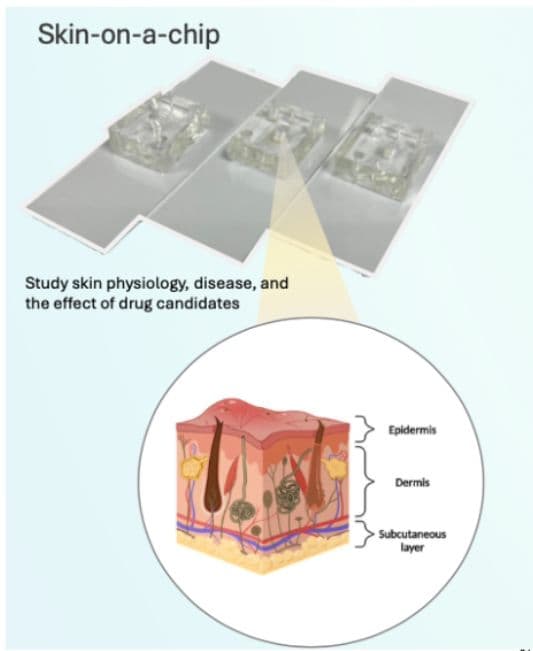
This research aims to develop and test a Skin-on-a-Chip (SoC) device that integrates skin cells and endothelial cells within a microfluidic system to closely simulate the biological environment of human skin. The device reduces reliance on animal testing while lowering research costs and time, and improves the accuracy of pharmaceutical and cosmeceutical ingredient testing. The project targets TRL 5 prototype development alongside patent filing and pilot-scale manufacturing process development, with a clear pathway toward commercial readiness within two years.
คณะสถาปัตยกรรม ศิลปะและการออกแบบ
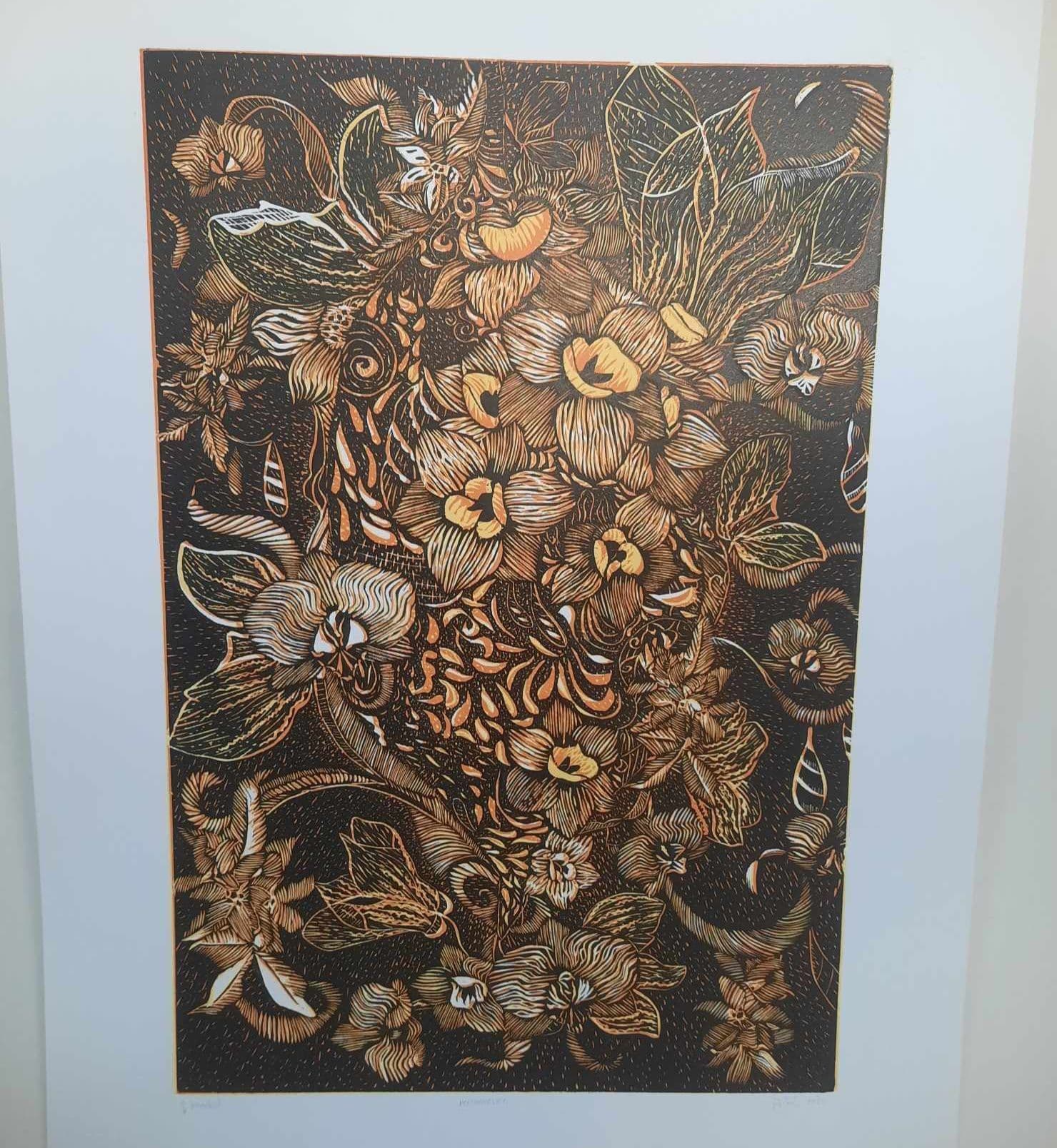
A natural representation of new beginnings.
คณะสถาปัตยกรรม ศิลปะและการออกแบบ
The concept for this work came from my curiosity about what would happen if, during interdimensional travel in space, a teleportation system were used. This system involves removing matter from one point and transferring it to another while maintaining its original state. If an error occurs and the matter is recreated or fused together, it could result in an experimental creature merging with the spacecraft. I choose the tardigrade as the first experimental subject for teleportation because the water bear has already been sent into space and survived. Therefore, I thought that if we were to actually test this teleportation system, the tardigrade would likely be one of the creatures chosen for experimentation.