

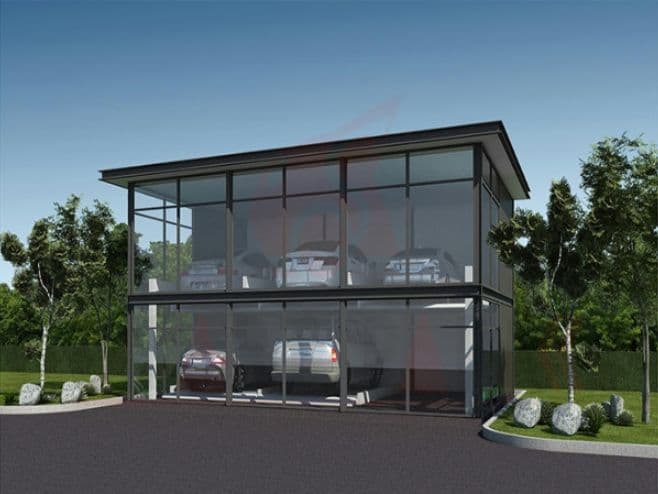
Parking space shortages in urban areas contribute to traffic congestion, inefficient land use, and environmental challenges. Automated Parking Systems (APS) provide an innovative solution by optimizing space utilization, reducing search times, and minimizing carbon emissions. This research investigates key factors influencing user adoption of APS technology using the UTAUT2 framework, focusing on variables such as Performance Expectancy, Effort Expectancy, Social Influence, Trust in Technology, and Environmental Consciousness. The APS Evolution project presents a smart parking solution that enhances efficiency, minimizes environmental impact, and improves user experience in urban settings. The initiative emphasizes technology-driven urban mobility and sustainable parking management to align with the evolving needs of modern cities.
ในยุคของการขยายตัวของเมือง (Urbanization) ที่เกิดขึ้นอย่างรวดเร็ว ปัญหาพื้นที่จอดรถไม่เพียงพอในเขตเมืองได้กลายเป็นความท้าทายสำคัญ ซึ่งส่งผลต่อทั้ง ความแออัดของจราจร และ การเพิ่มขึ้นของมลพิษทางอากาศ จากการวนหาที่จอดรถ ระบบ ลิฟต์จอดรถอัตโนมัติ (Automated Parking System: APS) เป็นนวัตกรรมที่ตอบโจทย์การใช้พื้นที่อย่างมีประสิทธิภาพ เนื่องจากสามารถเพิ่มจำนวนที่จอดรถได้ในพื้นที่จำกัด ลดการใช้พลังงาน และช่วยลดการปล่อยก๊าซเรือนกระจก (Greenhouse Gas Emissions) อย่างไรก็ตาม แม้เทคโนโลยีนี้จะมีศักยภาพสูง แต่การยอมรับจากผู้ใช้งาน (User Adoption) ยังคงเป็นประเด็นสำคัญที่ต้องผลักดัน การนำเสนอและสาธิตการทำงานของ APS ในงาน KMITL EXPO จึงมีเป้าหมายเพื่อ ส่งเสริมความเชื่อมั่นในเทคโนโลยี (Trust in Technology) และสร้างความตระหนักรู้ถึง ประโยชน์เชิงสิ่งแวดล้อม (Environmental Consciousness) ของระบบจอดรถอัตโนมัตินี้ และแม้ว่าเทคโนโลยีลิฟต์จอดรถอัตโนมัติจะมีข้อดีที่ชัดเจน แต่ พฤติกรรมการยอมรับเทคโนโลยี (Behavioral Intention) ยังคงขึ้นอยู่กับหลายปัจจัย เช่น ความคาดหวังว่าระบบจะช่วยให้ชีวิตสะดวกขึ้น (Performance Expectancy), ความคุ้มค่าในแง่ต้นทุนและประโยชน์ที่ได้รับ (Price Value) รวมถึงความตระหนักในบทบาทของเทคโนโลยีต่อการลดผลกระทบสิ่งแวดล้อม (Environmental Consciousness) โครงการนี้จึงมุ่งเน้นการวิเคราะห์ปัจจัยที่มีอิทธิพลต่อการตัดสินใจใช้ระบบ APS ผ่านกรอบแนวคิด UTAUT2 (Unified Theory of Acceptance and Use of Technology 2) ข้อมูลที่ได้จะช่วยให้เข้าใจถึง ความต้องการและความคาดหวังของผู้ใช้ ซึ่งสามารถนำไปปรับปรุงและพัฒนานวัตกรรมนี้ให้ตอบโจทย์ได้ดียิ่งขึ้น
คณะวิศวกรรมศาสตร์
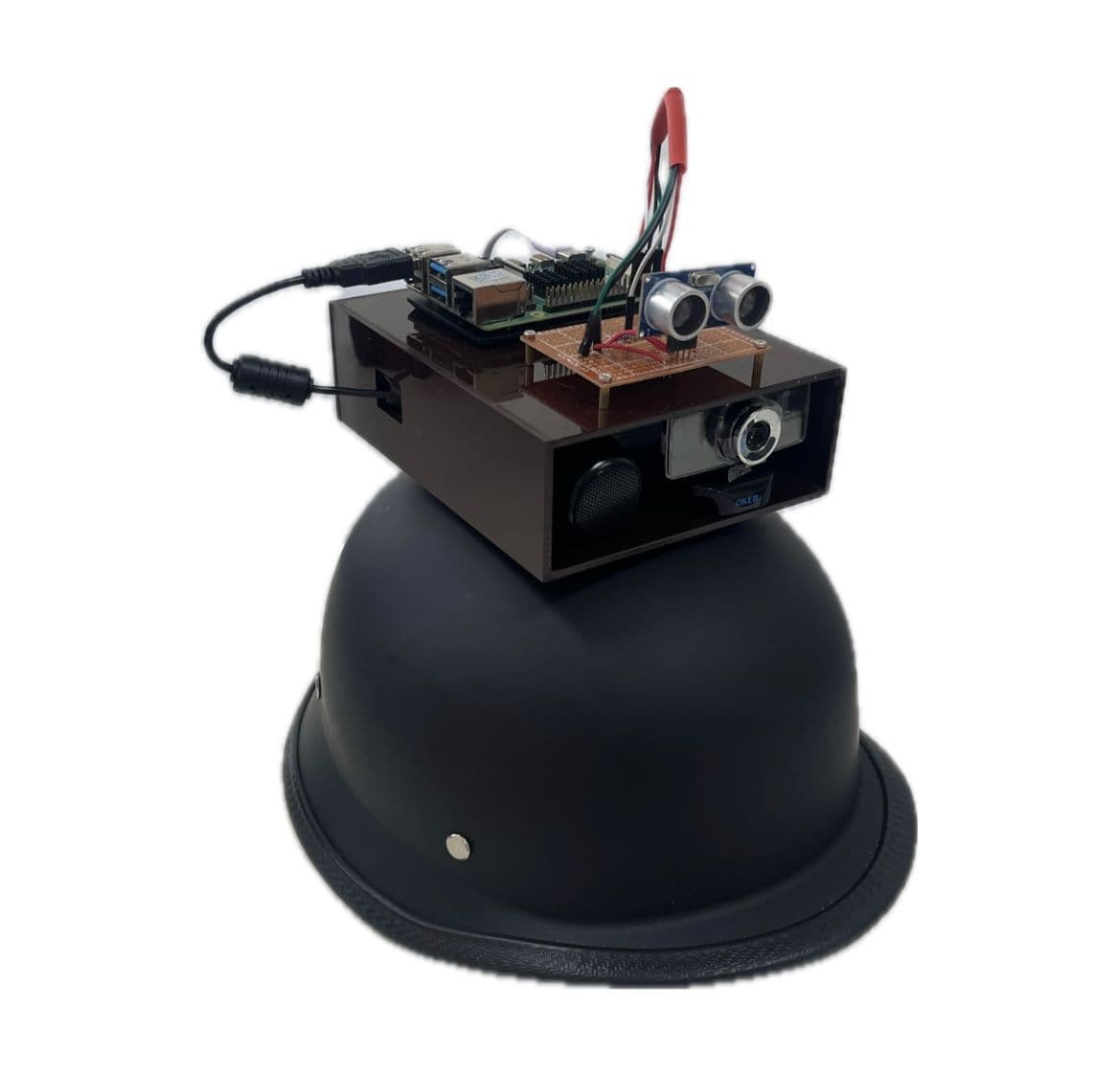
This thesis presents the application of deep learning for object classification. The selected deep learning architectures studied include Convolutional Neural Networks (CNN) and ResNet18. It covers data preparation, feature extraction, parameter tuning for accuracy comparison, and performance evaluation of the selected models. The aim is to propose an efficient model for use in devices that assist visually impaired individuals in classifying indoor objects and providing sound alerts.
คณะวิศวกรรมศาสตร์
-
คณะวิศวกรรมศาสตร์
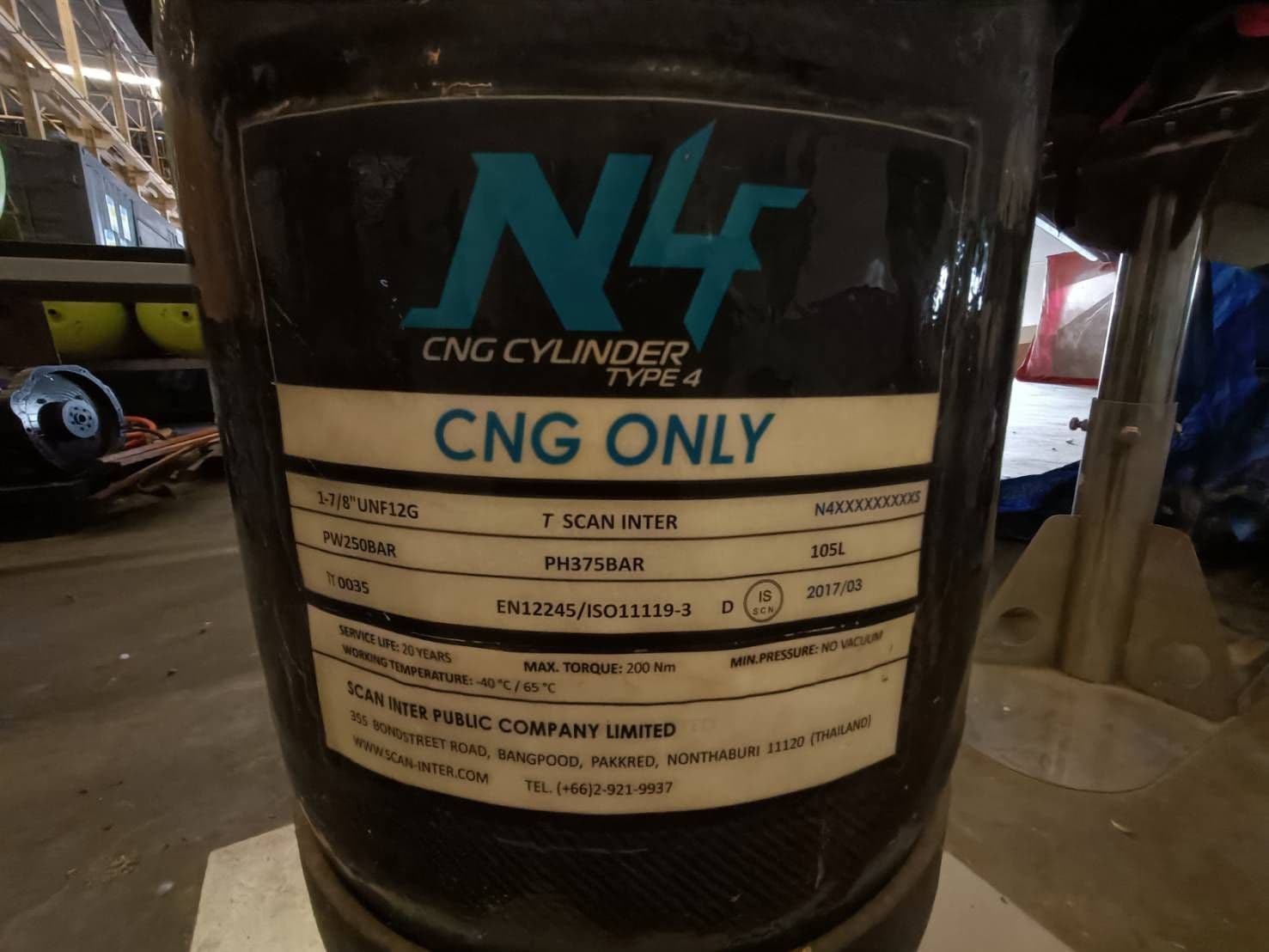
A high-pressure gas storage tank made from composite materials, including carbon fiber, resin, and plastic, is designed for storing compressed natural gas (CNG) or hydrogen. This type of tank is classified as a Type IV high-pressure vessel. In this research, it is designed to operate at a pressure of 250 bar for the transportation of compressed natural gas.