
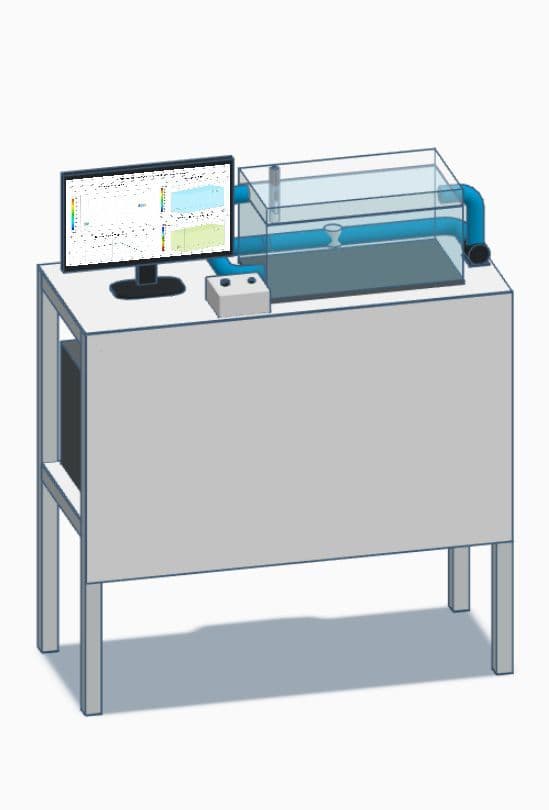
This research presents a Digital Twin of an Aquarium for Water Quality Monitoring, developing a virtual model that displays real-time key water parameters, including pH level, temperature, flow rate, and dissolved oxygen. Sensor data is processed and visualized through a Graphical User Interface (GUI) to reflect the real-time status of the virtual aquarium. This system enables accurate water quality monitoring and analysis while reducing reliance on expensive software solutions.
มีเป้าหมายในการสร้าง Digital Twin ของตู้ปลา เพื่อใช้เป็นกรณีศึกษาในการตรวจสอบคุณภาพน้ำ โดยนำเซ็นเซอร์ตรวจวัด ค่าความเป็นกรด-ด่าง (pH), อุณหภูมิ, อัตราการไหลของน้ำ และออกซิเจนละลายน้ำ มาประมวลผลและแสดงผลผ่านอินเทอร์เฟซกราฟิกแบบเรียลไทม์ ระบบนี้สามารถใช้เป็นสื่อการสอนด้าน คอมพิวเตอร์ช่วยงานเทคโนโลยีการผลิต โดยไม่ต้องพึ่งพาซอฟต์แวร์ราคาแพง ซึ่งช่วยลดต้นทุนและเพิ่มโอกาสในการศึกษา Digital Twin อย่างมีประสิทธิภาพ
คณะวิศวกรรมศาสตร์
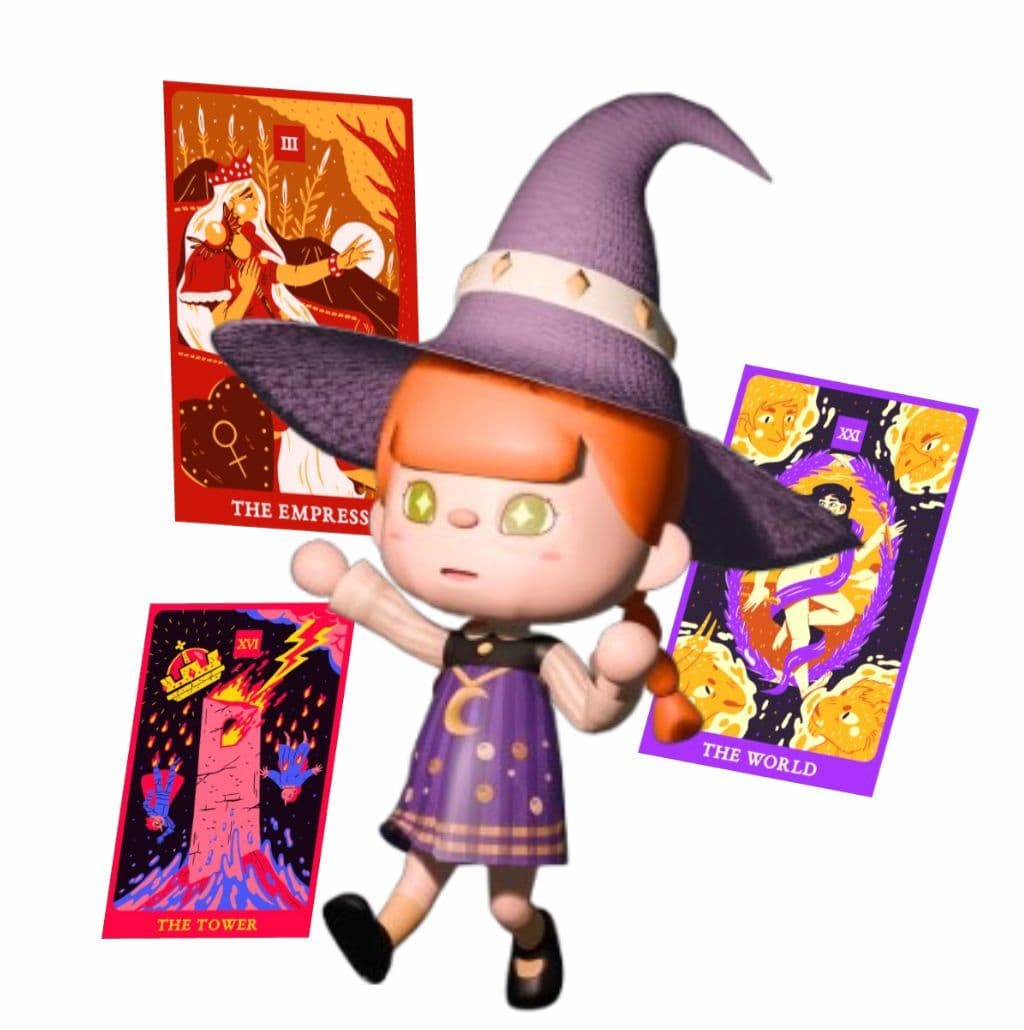
Our project seek to create an Al-powered tarot card reader that bridges the gap between traditional fortune-telling and modern technology. By leveraging a combination of 3D modeling, natural language processing, text-to-speech (TTS), and speech-to-text (STT) systems, the service will deliver an interactive and culturally sensitive experience in Thai and English. Users will input their queries through voice, which will be processed via STT, and receive engaging Al-generated tarot readings through TTS. Additionally, a 3D animated avatar will mimic a real-life fortune teller, adding a visual dimension to the experience. Hosted on a user-friendly website, this platform will redefine fortune-telling by blending tradition with innovation, making it both accessible and engaging for modern users.
คณะเทคโนโลยีการเกษตร
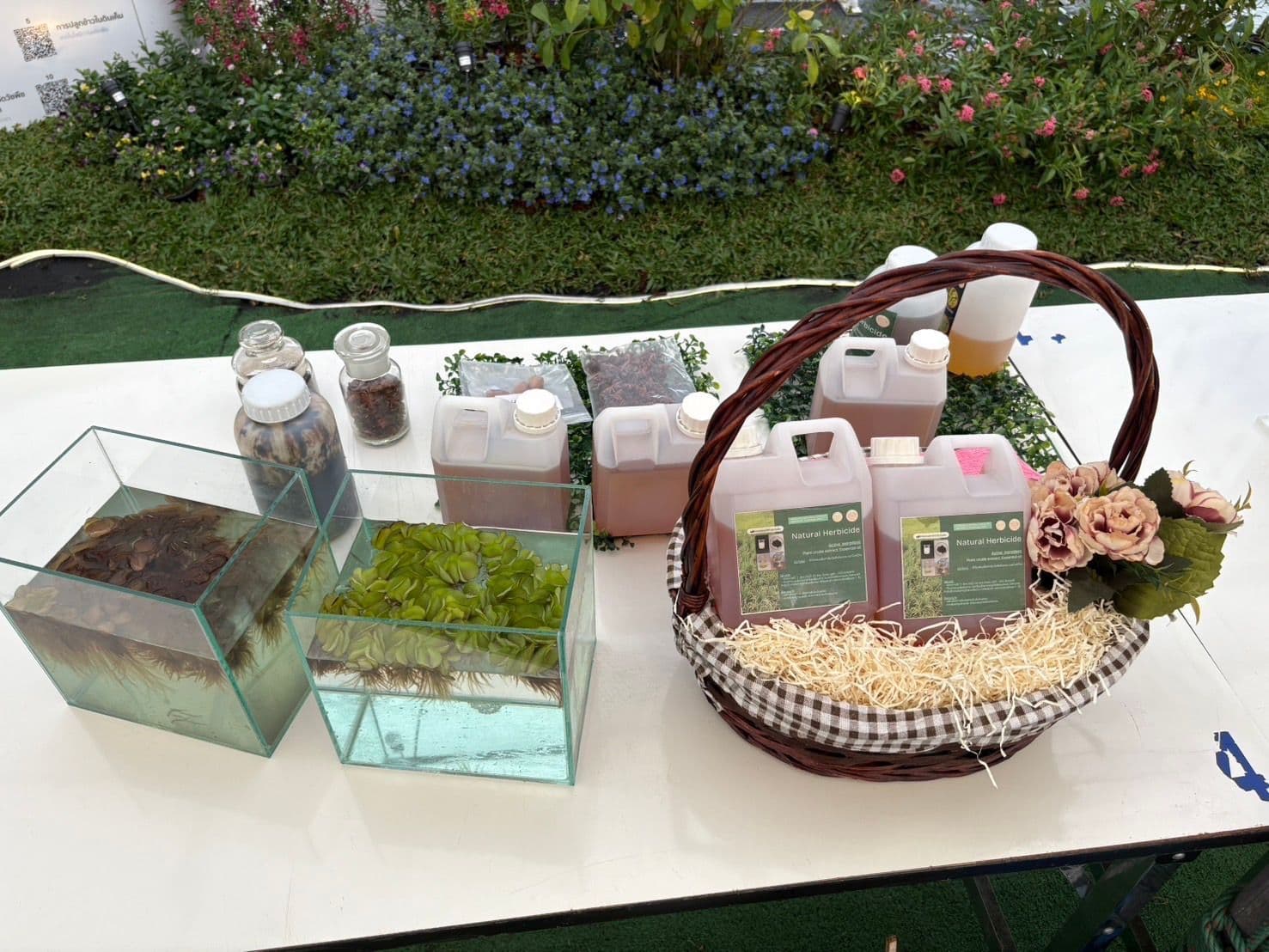
The use of chemical herbicides in agriculture has raised concerns due to its adverse effects on farmers' health, environmental sustainability, and consumer safety. Paraquat, a widely used herbicide, has been banned in Thailand. In response to this issue, this research focused on the development of natural herbicide products as an alternative to conventional chemical herbicides. The study involved the extraction of bioactive compounds from selected plants with potential herbicidal properties and evaluating their effectiveness in controlling target weeds. The results indicated that the developed natural herbicide demonstrates significant weed control efficiency. Additionally, this product can be applied to organic farming systems, reducing reliance on hazardous chemicals and promoting sustainable agricultural practices. The development of this natural herbicide served as an essential step toward environmentally friendly and safe agricultural solutions.
คณะสถาปัตยกรรม ศิลปะและการออกแบบ
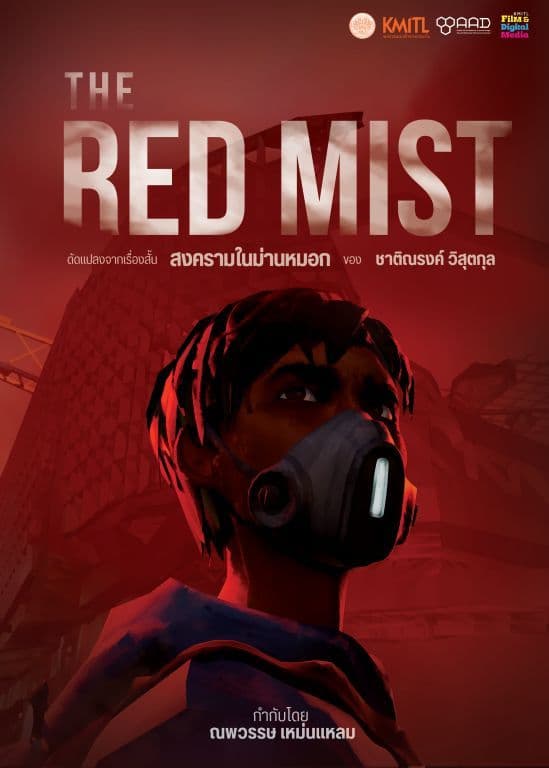
The thesis artwork titled “The Red Mist” presents a narrative adapted from a short story of the same name by Assistant Professor Chatnarong Wisutkul in 2003. The story is set in a future world where people's greed and selfishness have led to a war, forcing them to rely on "breathing machines" to survive in the "red toxic mist." Phakin, a 15-year-old boy, embarks on a journey with a group of refugees. As they pass through abandoned cities, they encounter a boy without a breathing machine who has recently lost his father. Phakin decides to help him, despite objections from others. The boy tries to end his life by shutting off his breathing machine, and when Phakin intervenes to save him, he collapses from inhaling the toxic air. Witnessing Phakin's selfless act, the others are moved and join forces to save both of them. Phakin demonstrates that in difficult times, humans must cooperate and help each other rather than being divided and selfish.