

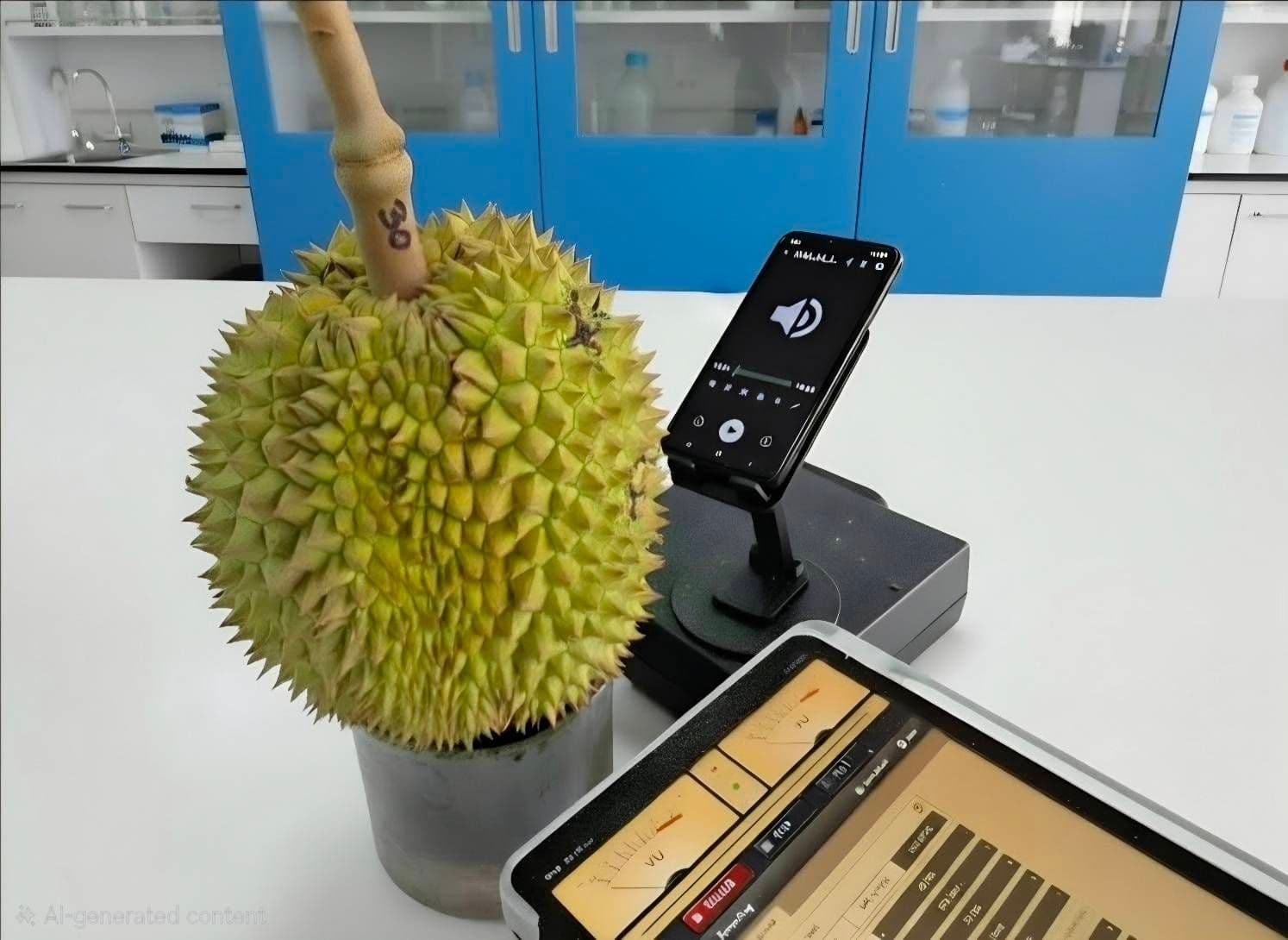
Durian is one of Thailand's most valuable economic fruits, yet ripeness assessment still relies primarily on experienced inspectors who evaluate the fruit by tapping and listening to its acoustic response. This conventional method is subjective and may lead to inconsistent results. This study presents the development of an AI-based acoustic system for non-destructive durian ripeness classification. The system integrates an acoustic acquisition device with an artificial intelligence model that analyzes tapping sounds. Audio signals are converted into Mel spectrograms and processed using a deep learning model to classify durian into three ripeness levels: Unripe, Mid-ripe, and Ripe. The system provides real-time classification results together with prediction confidence scores to support decision-making. The developed prototype demonstrated rapid, accurate, and consistent ripeness classification, reducing reliance on human expertise while improving the standardization of quality assessment. The proposed innovation offers significant potential for practical implementation in durian orchards, packing houses, and export industries by enhancing quality control, reducing classification errors, and supporting smart agriculture and digital transformation in Thailand's durian supply chain.
ประเทศไทยเป็นผู้ผลิตและส่งออกทุเรียนรายสำคัญของโลก การประเมินความสุกของทุเรียนในปัจจุบันยังอาศัยการเคาะฟังเสียงโดยผู้เชี่ยวชาญ ซึ่งมีข้อจำกัดด้านความแม่นยำ ความสม่ำเสมอ และต้องอาศัยประสบการณ์เฉพาะบุคคล ส่งผลให้เกิดความผิดพลาดในการคัดแยกและกระทบต่อคุณภาพผลผลิต งานวิจัยนี้จึงพัฒนาระบบจำแนกความสุกของทุเรียนจากเสียงด้วยเทคโนโลยีปัญญาประดิษฐ์ เพื่อยกระดับการตรวจสอบความสุกแบบไม่ทำลายผลผลิต ให้มีความรวดเร็ว แม่นยำ และเป็นมาตรฐาน พร้อมรองรับการประยุกต์ใช้ในภาคเกษตรและอุตสาหกรรมส่งออก

Asphalt pavements in Thailand frequently deteriorate due to moisture damage and rutting under tropical climate and heavy traffic, leading to high maintenance costs. Conventional rehabilitation by milling and replacing damaged layers generates large amounts of Reclaimed Asphalt Pavement (RAP). Although RAP is reused to enhance sustainability, its aged binder suffers from oxidative hardening and reduced performance, requiring rejuvenation. Most conventional rejuvenators are petroleum-based and contribute to environmental pollution. Therefore, this study proposes environmentally friendly alternatives using bio-oil and biochar derived from sugarcane bagasse, along with Fatty Acid Methyl Ester (FAME), to restore RAP performance while promoting sustainable waste utilization. The objective of this research is to evaluate the effects of different proportions of these natural rejuvenating agents on recycled asphalt mixtures containing 80% RAP and 20% virgin aggregates. The mixtures were tested using the Marshall Stability and Tensile Strength Ratio (TSR) tests under dry and wet conditions to assess strength and moisture susceptibility. The results aim to determine whether these natural materials can effectively restore RAP properties to meet standard performance requirements.
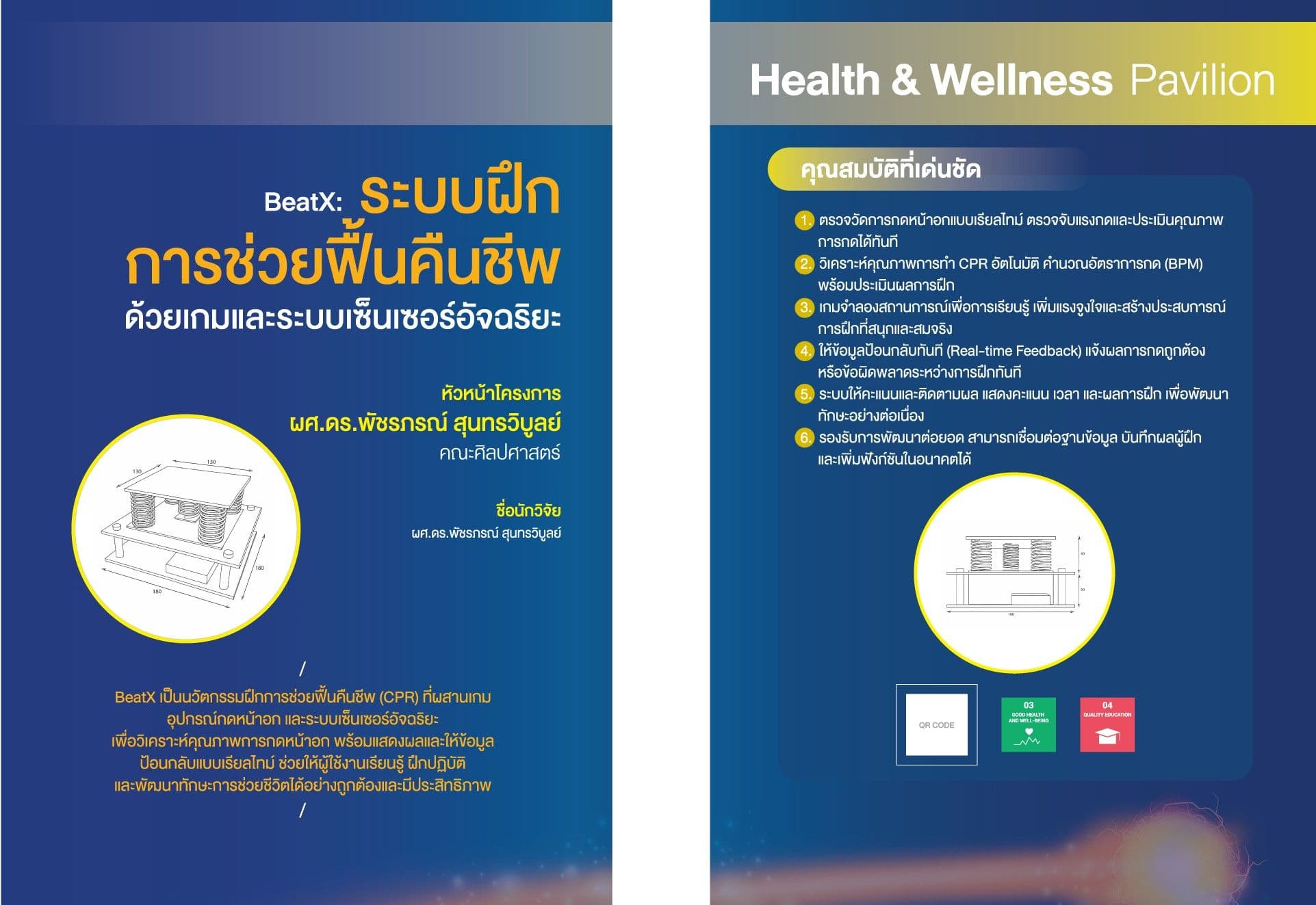
คณะศิลปศาสตร์
-
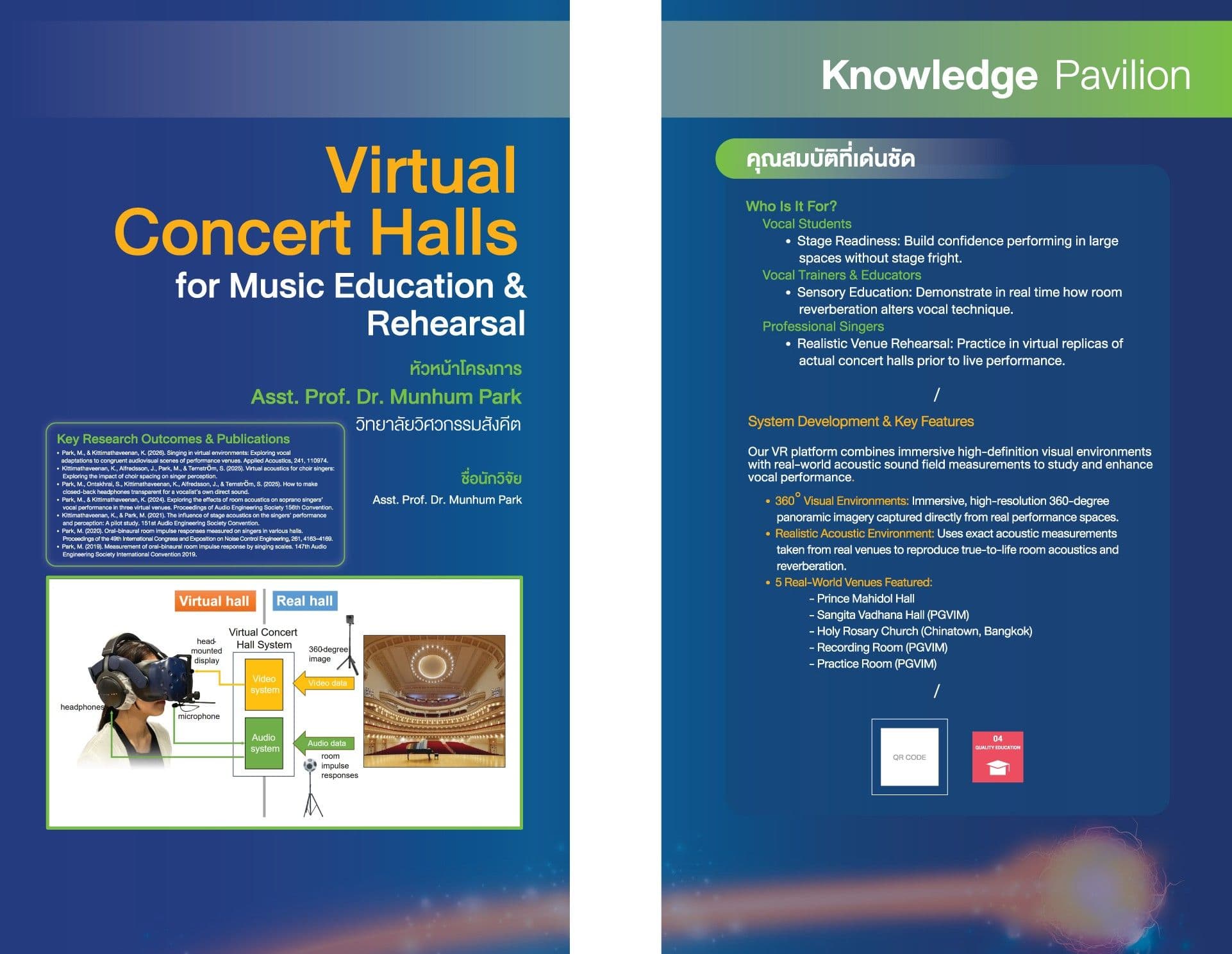
วิทยาลัยวิศวกรรมสังคีต
-