
Most rice is consumed as cooked, milled rice, but a small portion is also ground into flour or separated into a starch fraction and used by the food industry as a gluten-free ingredient. This study aims to find out if different types of rice flour and starch, such as white and colored rice, could be used in industry. This study employs green modification techniques to slow down the digestion process by combining polyphenols with starch. Our initial study found that the raw colored rice has a lower glycemic index than other types of rice, such as brown or white rice. Another study that looked at how the quality of colored rice flour was changed by different methods also discovered that out of the six green methods (annealing, heat moisture treatment, ultrasound, pregelatinization, wet-microwave, and dry-microwave). It found that ultrasound improved the polyphenol bioaccessibility in the rice flour and reduced the digestion rate. The pregelatinization process led to the flour having high solubility and an estimated glycemic index. Different techniques affected the flour/starch quality in different ways. Therefore, for further industrial application, it could also be easier to select the method for food product based on their required techno-functional quality of flour/starch. In addition to the modification techniques, this study showed that the high bioaccessible polyphenol content and high polyphenol content in rice greatly slowed down the rate of digestion. This study also open for further exploring the possibility of using high polyphenol agricultural waste to modify starch and flour in a sustainable manner.
Rice (Oryza sativa L.) is a crucial staple crop that supplies nutritional sustenance for half of the global population (Shao et al., 2018). Moreover, rice constitutes a significant commercial crop in Thailand, with its grains serving as a staple food, and a diverse array of rice types is present throughout the nation (Suebpongsang et al., 2020). Multiple rice types have been developed in Thailand, including colored/pigmented rice and non-pigmented rice, commonly referred to as brown and white rice, which can be utilized in many industries (Yamuangmorn & Prom, 2021). Furthermore, rice is regarded as a naturally gluten-free ingredient. Rice flour or starch can be utilized to create a variety of products, including cookies, bread, noodles, and crackers. Due to the elevated carbohydrate content in rice, most rice products are regarded as having a high glycemic index (GI). The link between polyphenols and digestive behavior has become a topic of attention, particularly for rice and its products. Researchers predominantly conducted comparisons of the features of pigmented rice and non-pigmented rice (with/without eGI) across various areas or types (Tangsrianugul et al., 2019; Verma & Srivastav, 2020; Waewkum & Singthong, 2021). Nevertheless, there remains a deficiency in information regarding the association between endogenous antioxidant qualities and other starch characteristics, which might be further considered for predicting the nutritional value of rice and for enhancing the foundational knowledge necessary for the development of rice products. The versatility of rice flour in industrial applications is primarily influenced by its physicochemical properties and usefulness. Unprocessed rice has limited utility and applicability (Iqbal et al., 2023). Consequently, novel techniques are necessary to enhance the quality of rice flours for further processing. Therefore, this research may offer essential insights for further investigation into select rice varieties and modification techniques for specific industrial applications by utilizing the starch-polyphenols complex concept.

คณะวิทยาศาสตร์
โครงงานนี้นำเสนอการพัฒนา "บ้านแมวอัจฉริยะ (Smart Cat House)" โดยใช้เทคโนโลยี Internet of Things (IoT) และการประมวลผลภาพ เพื่ออำนวยความสะดวกและเพิ่มความปลอดภัยในการดูแลแมวของเจ้าของ โครงสร้างพื้นฐานของบ้านแมวอัจฉริยะประกอบด้วยบอร์ด ESP8266 ที่เชื่อมต่อกับกล้อง ESP32 CAM สำหรับการตรวจสอบแมว และบอร์ด Arduino ที่ควบคุมเซ็นเซอร์ต่างๆ เช่น เซ็นเซอร์ตรวจจับการเคลื่อนไหวในกระบะทราย เซ็นเซอร์อุณหภูมิและความชื้น DHT22 เซ็นเซอร์วัดระดับน้ำและอาหารด้วย Ultrasonic รวมถึงระบบจ่ายน้ำดื่มสำหรับแมว ระบบให้อาหารอัตโนมัติ และระบบระบายอากาศที่ควบคุมด้วย DC FAN ซึ่งปรับการทำงานตามอุณหภูมิที่วัดได้ เพื่อรักษาสภาพแวดล้อมที่เหมาะสม นอกจากนี้ยังมี IR sensor สำหรับตรวจจับการเข้าห้องน้ำของแมว และระบบเปลี่ยนทรายอัตโนมัติด้วย SERVO MOTOR ระบบทั้งหมดเชื่อมต่อและควบคุมผ่านแอปพลิเคชัน Blynk ที่สามารถใช้งานบนมือถือ ทำให้เจ้าของสามารถติดตามและดูแลสัตว์เลี้ยงได้จากระยะไกล การตรวจจับและยืนยันตัวตนของแมว ใช้เทคโนโลยีการประมวลผลภาพจากกล้อง ESP32 CAM ร่วมกับ YOLO (You Only Look Once) ซึ่งเป็นอัลกอริทึมตรวจจับวัตถุที่มีประสิทธิภาพสูง เพื่อตรวจจับและแยกแยะระหว่างแมวกับคน ข้อมูลจากเซ็นเซอร์ต่างๆ จะถูกส่งไปยังบอร์ด Arduino เพื่อควบคุมการทำงานของอุปกรณ์ต่างๆ ในบ้านแมวอัจฉริยะ เช่น การเปิด-ปิดไฟ การเปลี่ยนทรายอัตโนมัติ การปรับอุณหภูมิและความชื้น การให้อาหารและน้ำตามเวลาที่กำหนด หรือการระบายอากาศ การใช้ระบบเชื่อมต่อผ่าน ESP8266 และแอปพลิเคชัน Blynk ช่วยให้การควบคุมอุปกรณ์ต่างๆ ทำได้ง่ายและสะดวก เจ้าของสามารถติดตามและควบคุมการทำงานของระบบทั้งหมดได้จากทุกที่ที่มีอินเทอร์เน็ต
คณะอุตสาหกรรมอาหาร
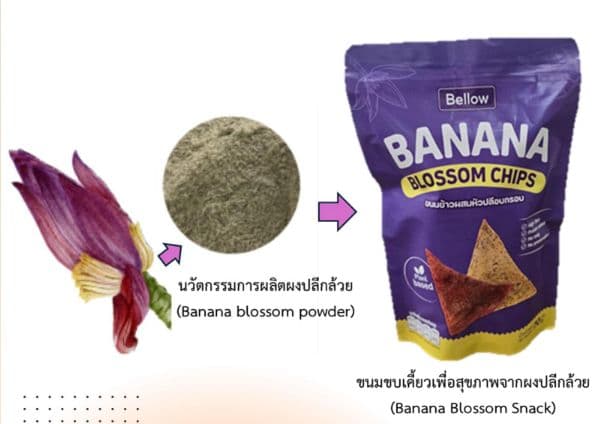
ประเทศไทยผลิตกล้วยกว่า 1.2 ล้านตันต่อปี ส่งผลให้เกิดของเสียทางการเกษตรจำนวนมาก โดยเฉพาะปลีกล้วยซึ่งมีคุณค่าทางโภชนาการสูง อุดมด้วยใยอาหารและสารต้านอนุมูลอิสระ แต่มักถูกทิ้งโดยไม่ได้ใช้ประโยชน์ งานวิจัยนี้จึงมุ่งพัฒนา "ขนมอบกรอบเสริมไฟเบอร์จากผงปลีกล้วย" เพื่อเพิ่มมูลค่าวัตถุดิบและตอบสนองความต้องการของผู้บริโภคที่ใส่ใจสุขภาพ โดยผลิตภัณฑ์ต้นแบบได้รับรางวัลรองชนะเลิศอันดับ 2 จากเวที Conovative Award 2024 อย่างไรก็ตาม ยังพบข้อจำกัดด้านเนื้อสัมผัสหยาบ สีคล้ำ และรสฝาดตกค้าง การวิจัยครั้งนี้จึงมุ่งเน้นการปรับปรุงกระบวนการเตรียมวัตถุดิบ (pretreatment) ด้วยวิธีทางกายภาพและเคมีที่ปลอดภัย รวมถึงเปรียบเทียบเทคนิคการทำแห้งแบบต่าง ๆ เพื่อคงคุณค่าทางโภชนาการและสารออกฤทธิ์ทางชีวภาพให้ได้สูงสุด อันจะนำไปสู่การพัฒนาผลิตภัณฑ์ขนมขบเคี้ยวเพื่อสุขภาพที่มีคุณภาพพร้อมต่อยอดสู่เชิงพาณิชย์ได้
คณะเทคโนโลยีการเกษตร
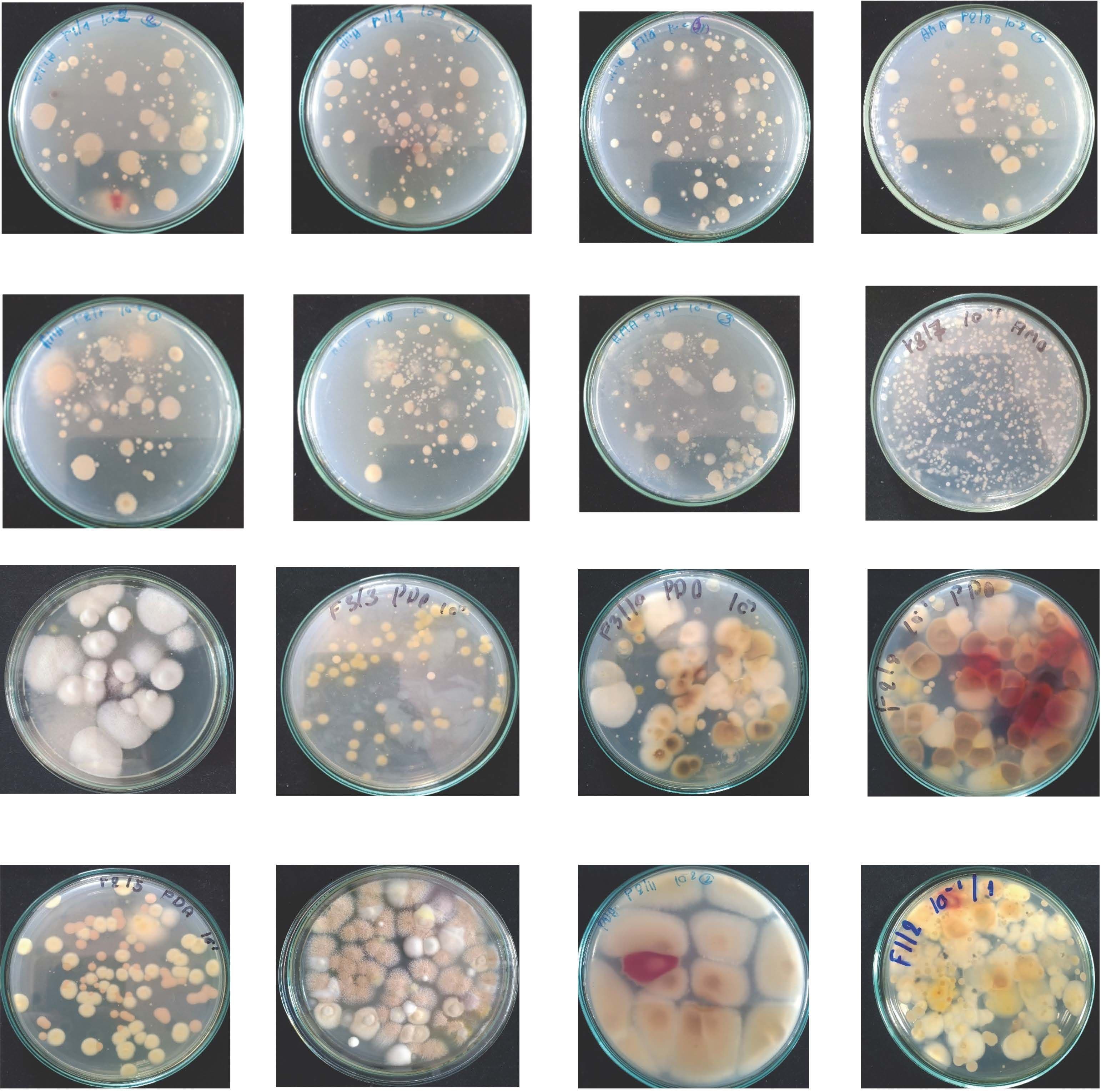
ในดินมีสิ่งมีชีวิตหลากหลายชนิดซึ่งมีความสัมพันธ์กันเป็นสายใยอาหารขนาดใหญ่ที่ทำให้เกิดการหมุนเวียนพลังงานและสารอาหารไปยังสิ่งมีชีวิตที่อาศัยอยู่บนดิน สิ่งมีชีวิตในดินทำหน้าที่สร้างอาหารสำหรับพืชเพื่อใช้ในการเจริญเติบโต จุลินทรีย์กลุ่มที่มีประโยชน์ต่อพืช เช่น ช่วยเพิ่มความเป็นประโยชน์ของธาตุอาหารในดิน เพิ่มช่องว่างในดิน ช่วยเพิ่มความแข็งแรงต้านทานโรคให้กับพืช เป็นต้น จุลินทรีย์กลุ่มที่เป็นโทษต่อพืช เช่น เชื้อก่อโรคพืชต่างๆ เมื่อมีอยู่ในดินปริมาณมากจะทำให้พืชเจริญเติบโตได้ไม่ดี หรืออาจทำให้ผลผลิตเสียหาย จุลินทรีย์กลุ่มที่ไม่มีผลต่อพืช เป็นจุลินทรีย์ที่มีแหล่งอาศัยอยู่ในดิน เป็นองค์ประกอบของระบบนิเวศในดินแต่ไม่มีผลด้านบวกหรือลบต่อพืช ดินปริมาณ 1 ช้อนชา มีจุลินทรีย์อยู่มากกว่า 1,000 ล้านชนิด และมีจุลินทรีย์เพียง 1 % เท่านั้นที่สามารถเพาะเลี้ยงได้ ดินจึงเป็นแหล่งที่มีความหลากหลายของสิ่งมีชีวิต โดยเฉพาะความหลากหลายของจุลินทรีย์มากที่สุดในโลก