

Discover the ultimate innovations of the future developed by Thai researchers! Meet the latest technology from KMITL that will transform our way of life and industry.
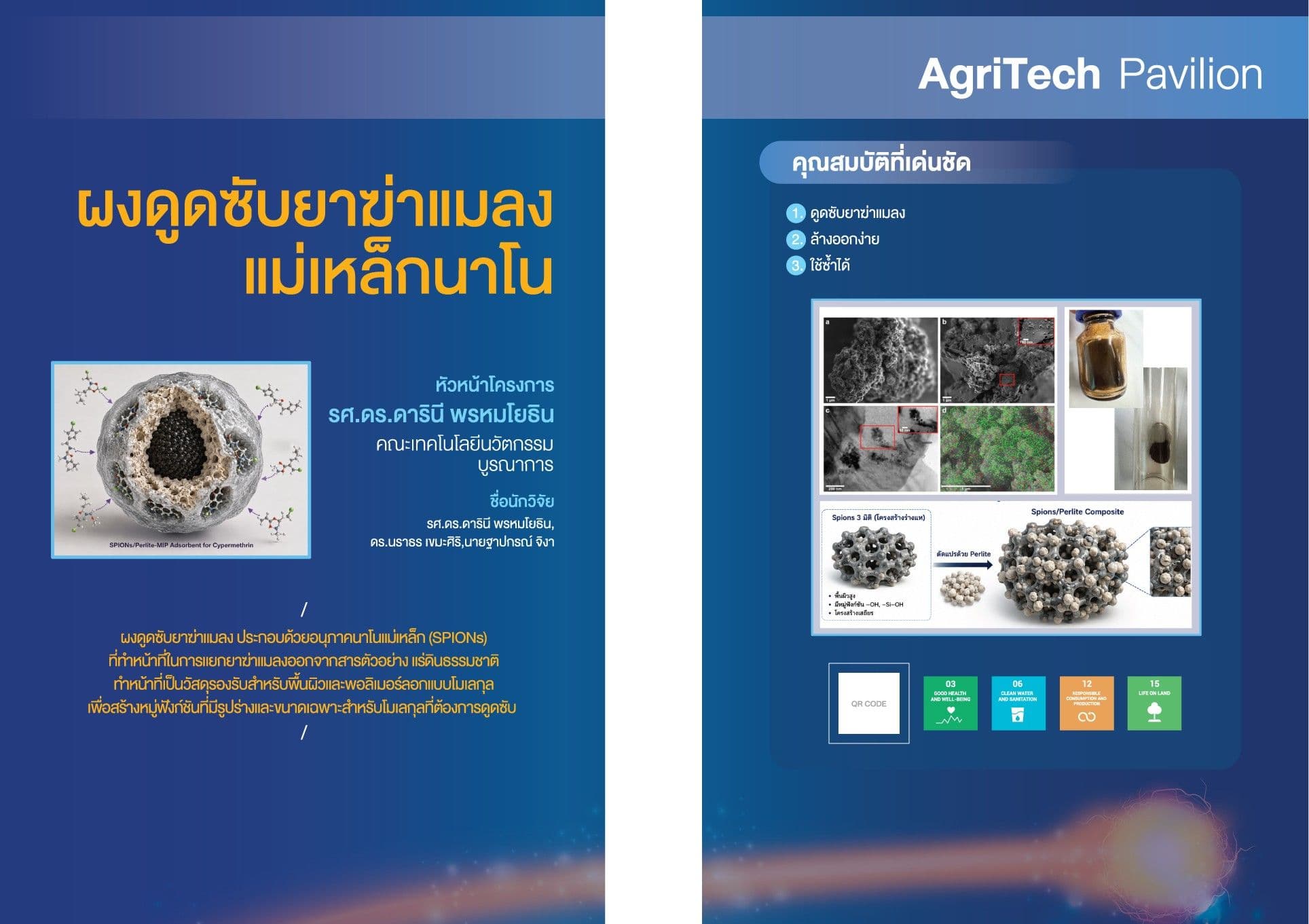
วิทยาลัยเทคโนโลยีและนวัตกรรมวัสดุ
-

คณะวิศวกรรมศาสตร์
-
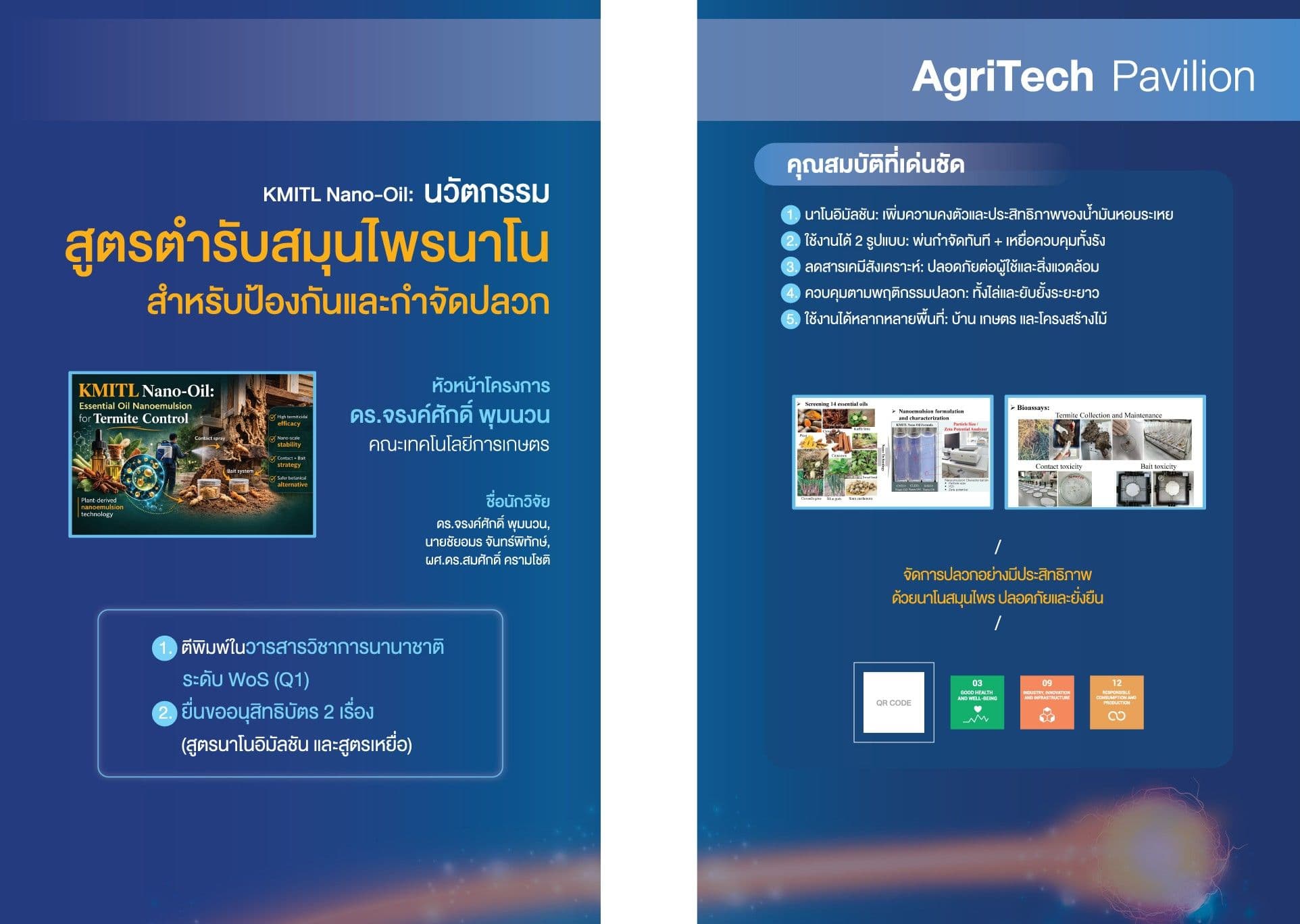
คณะเทคโนโลยีการเกษตร
-
วิทยาลัยนวัตกรรมการผลิตขั้นสูง
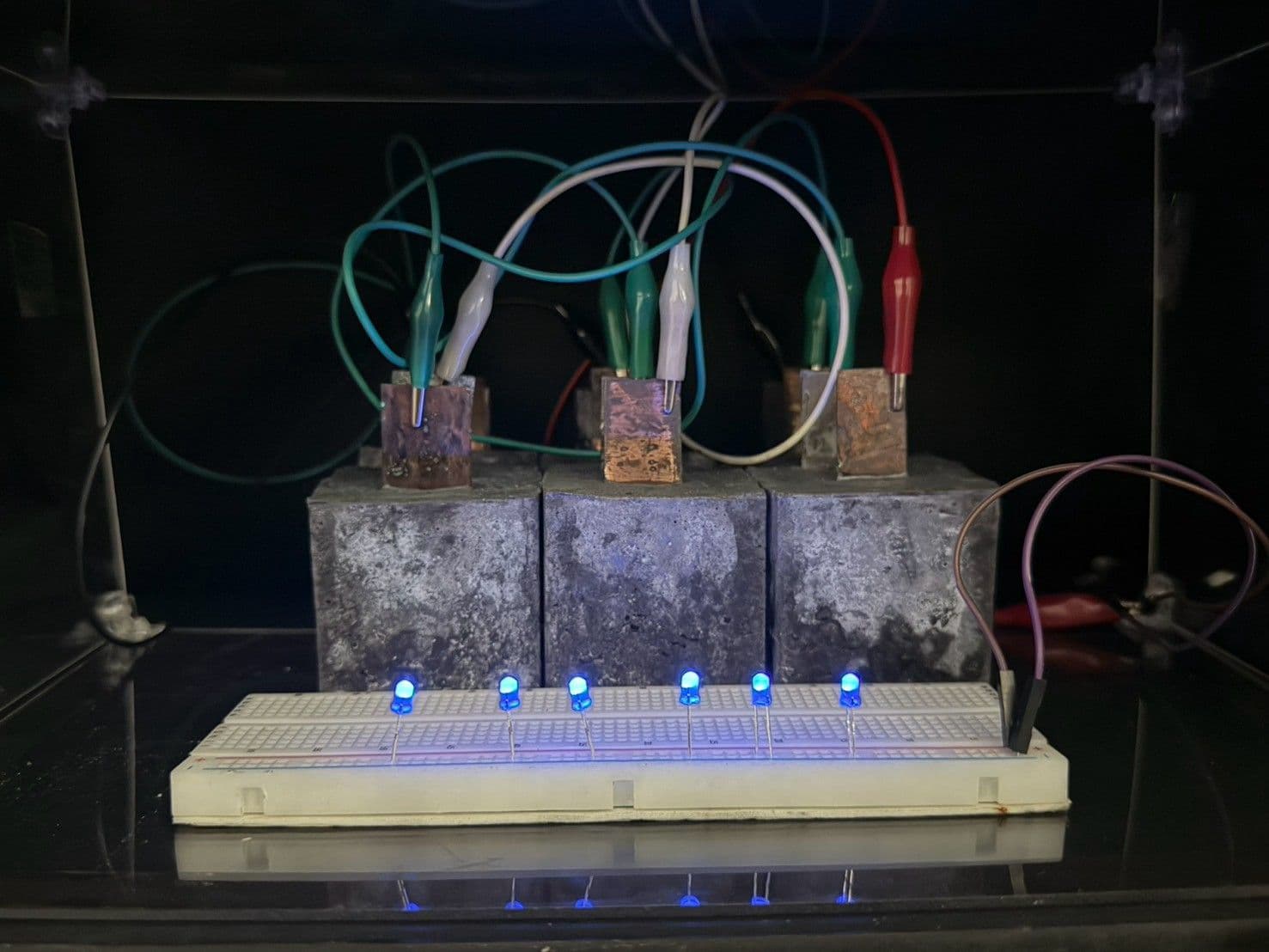
This research aims to develop a self-powered concrete paving block capable of generating electricity through a cement-based solid electrolyte cell. Silica fume, an industrial by-product, is incorporated into the mixture in line with Circular Economy principles, adding value to waste material while reducing industrial waste. This innovation leverages cement, an inexpensive and widely available material in Thailand, to simultaneously serve as a structural component and an electrical conducting medium. The result is a paving block capable of powering an LED light on its own, eliminating the need for external wiring or reliance on costly lithium-ion batteries that generate hazardous waste. The solid electrolyte also offers greater safety, as it contains no liquid chemicals that could leak or ignite. This innovation therefore presents a new, low-cost clean energy alternative suitable for public spaces such as walkways and parks, enabling sustainable illumination without adding to energy or environmental burdens.

คณะสถาปัตยกรรม ศิลปะและการออกแบบ
Rapid global urbanization has led to a continuous rise in urban populations, posing critical challenges to spatial and resource allocation in modern cities. This project aims to synthesize core urban planning issues into balanced scenarios and develop a prototype titled "Block Game: Learning of Spatial Urban Resource Management." Serving as an interactive learning tool, the game transforms complex theoretical concepts into tangible hands-on experiences. Designed for both urban planning students and the general public, the game allows players to step into the shoes of urban planners—experimenting with spatial layouts, balancing population capacity with available land, and reserving space for future development. Through experiential learning, collaborative decision-making, active listening, and iterative design reflection, this prototype simplifies intricate academic principles into an engaging format. Ultimately, it fosters foundational spatial reasoning and participatory skills necessary for addressing future urban complexities, such as disaster risk management and climate change adaptation.
คณะครุศาสตร์อุตสาหกรรมและเทคโนโลยี
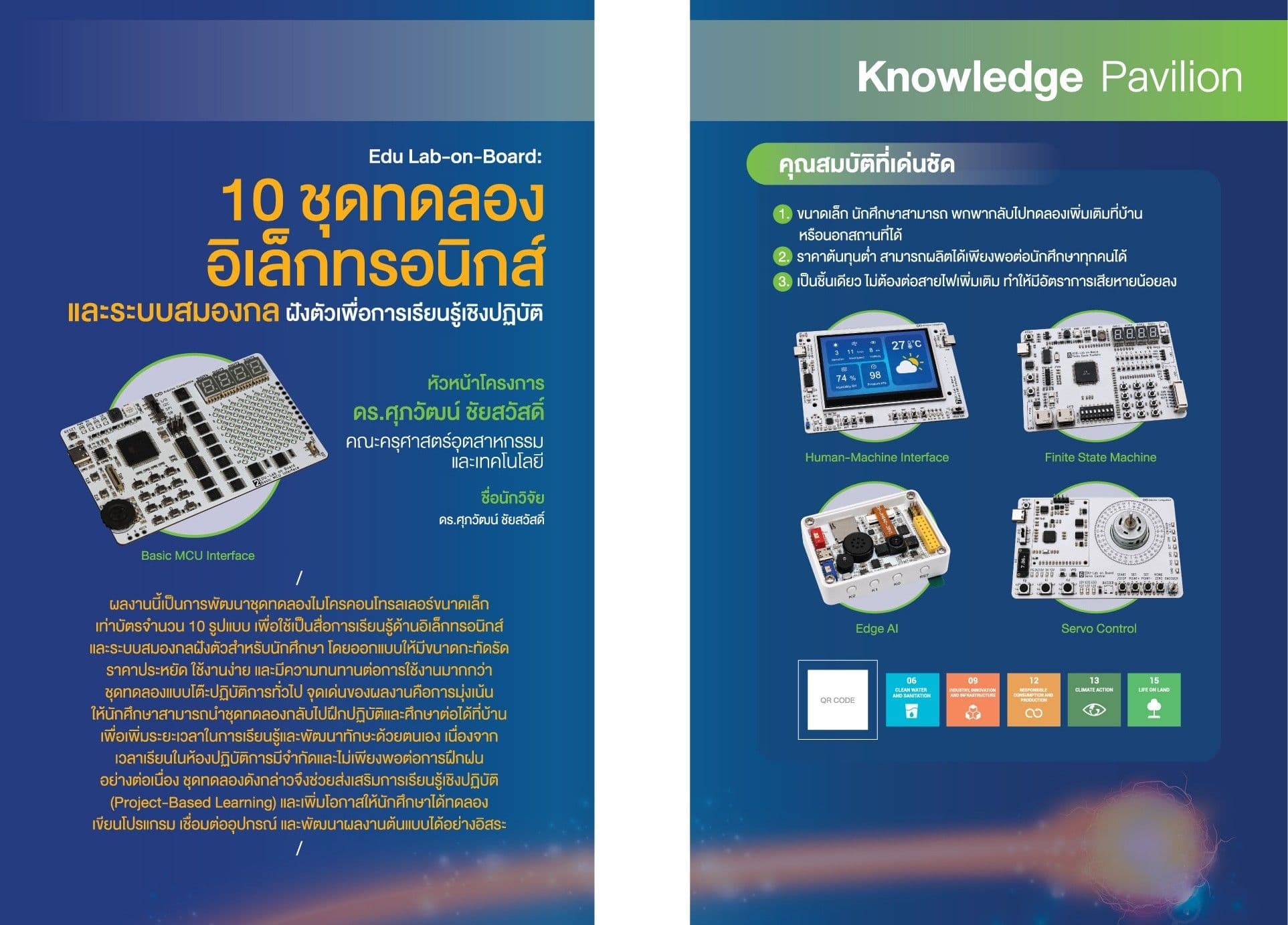
This research project aims to develop Edu Lab-on-Board, a series of ten compact electronics and embedded systems learning kits designed to enhance hands-on education in electronics, microcontrollers, artificial intelligence, and automation. The proposed kits are designed to be portable, allowing students to continue practicing and developing their skills outside the laboratory, while maintaining a low production cost, ease of maintenance, and scalability for future production within the institution. The project encompasses electronic circuit and PCB design, prototype development, hardware assembly, software validation, and the preparation of laboratory manuals and experiment worksheets for all ten learning kits. The expected outcomes include a complete set of practical learning kits and instructional materials that support Active Learning, strengthen students' practical engineering and technological competencies, and better align educational outcomes with current industrial demands. Furthermore, the developed learning kits are expected to be adaptable for use in other academic programs and institutions, with strong potential for future commercialization.
คณะวิทยาศาสตร์
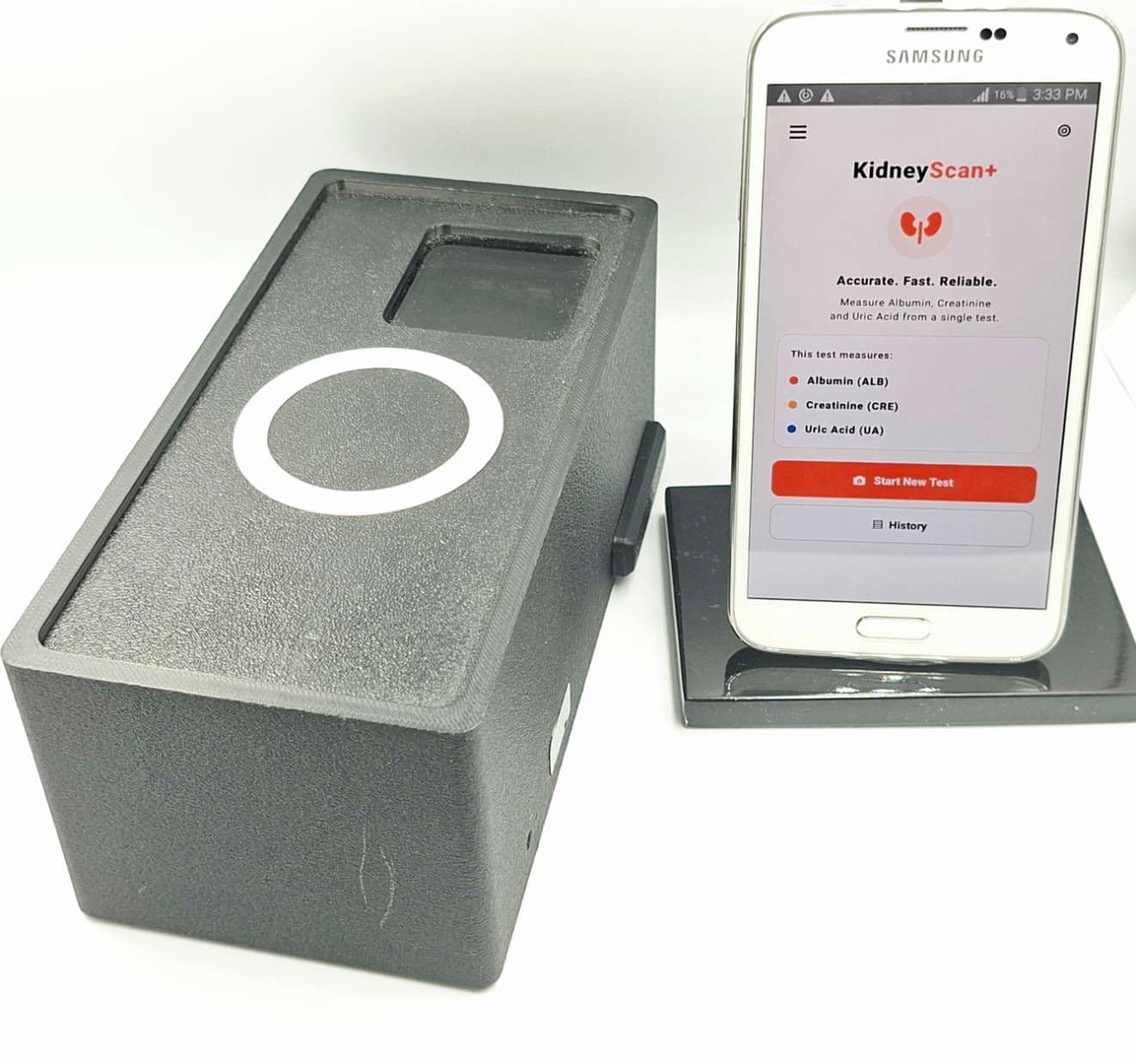
Chronic kidney disease (CKD) and kidney stones are major public health concerns in Thailand, particularly among elderly individuals and patients with diabetes mellitus or hypertension. Early detection of kidney impairment is essential for delaying disease progression and reducing the risk of end-stage renal disease. The albumin-to-creatinine ratio (ACR), together with urinary uric acid measurement, provides valuable clinical information for the early screening and diagnosis of kidney disorders. However, current analytical methods are unable to simultaneously determine all three biomarkers in a single assay and generally require sophisticated laboratory instruments, making them unsuitable for point-of-care testing (POCT) or home-based screening. This research project aims to develop a dual-layer microfluidic paper-based analytical device (µPAD) capable of simultaneously determining urinary albumin, creatinine, and uric acid in a single test. The upper layer will function as a filtration unit, enabling direct analysis of urine samples without dilution or other sample pretreatment, while the lower layer will contain specific colorimetric sensing zones for the selective detection of each analyte. This design is expected to simplify the analytical procedure, minimize matrix interference, and improve user convenience. In addition, a smartphone application, **KidneyScan+**, will be developed for both Android and iOS platforms. The application will employ artificial intelligence (AI)-based image analysis to capture the colorimetric responses from the µPAD, quantify the concentrations of the target analytes, calculate the albumin-to-creatinine ratio (ACR), and provide an immediate assessment of kidney disease risk. The project encompasses the design and fabrication of the µPAD, optimization of analytical conditions, evaluation of analytical performance, validation using real urine samples, and verification of the accuracy and reliability of both the sensing platform and the smartphone application. A portable packaging system containing the testing device, accessories, and user instructions will also be developed to facilitate practical implementation. The expected outcome is an integrated POCT platform consisting of a portable paper-based test and a smartphone application that enables rapid, accurate, and user-friendly screening of chronic kidney disease and kidney stones. The developed technology is anticipated to promote self-screening, support remote healthcare (telehealth), improve access to early diagnosis, and ultimately reduce the burden of kidney diseases on the healthcare system.
คณะวิศวกรรมศาสตร์
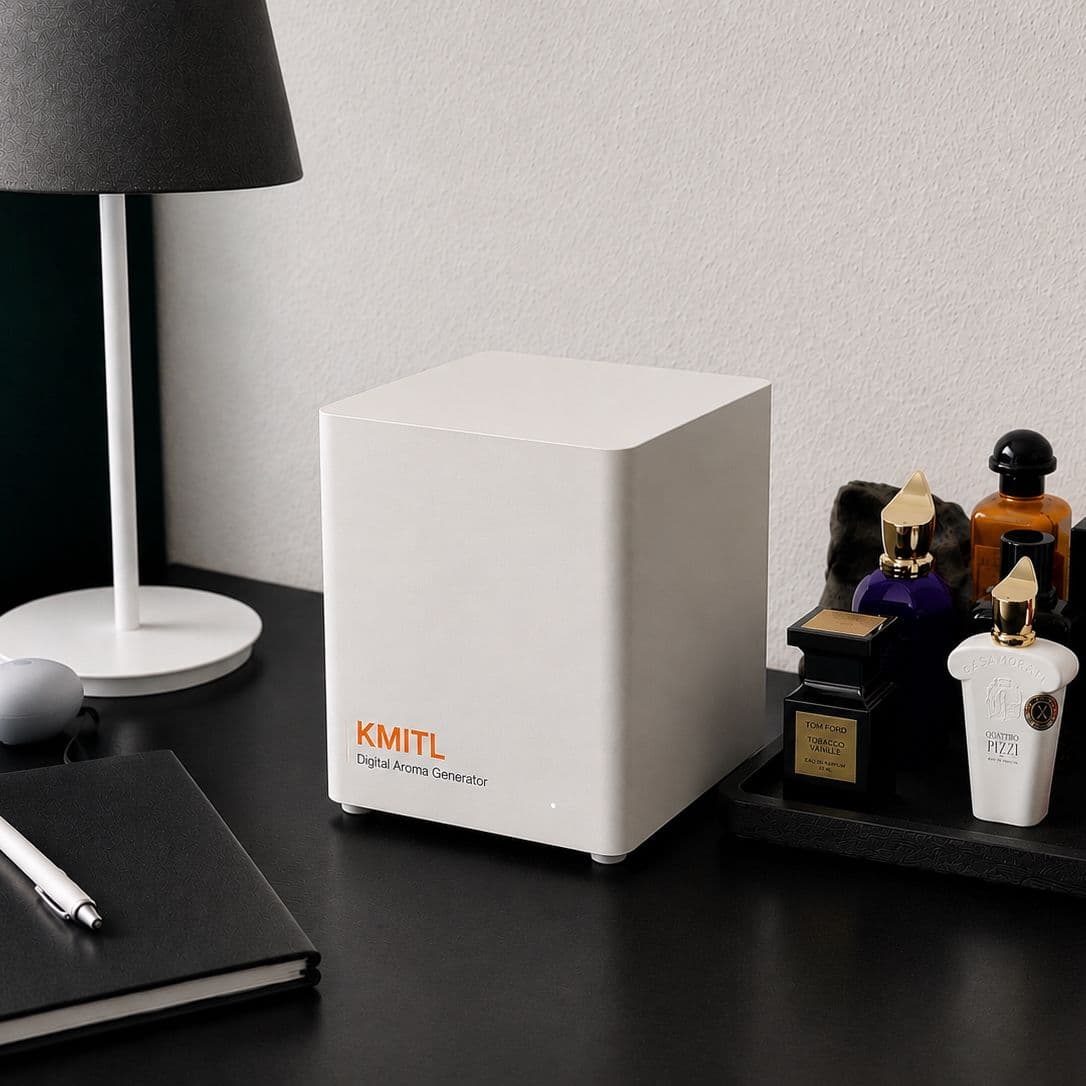
Olfactory display is a device that can release odors from odorants, can control odor intensities, and can blend odors. It can be used in many applications in food and beverage industry, cosmetic industry, spa, building, etc.
คณะเทคโนโลยีสารสนเทศ
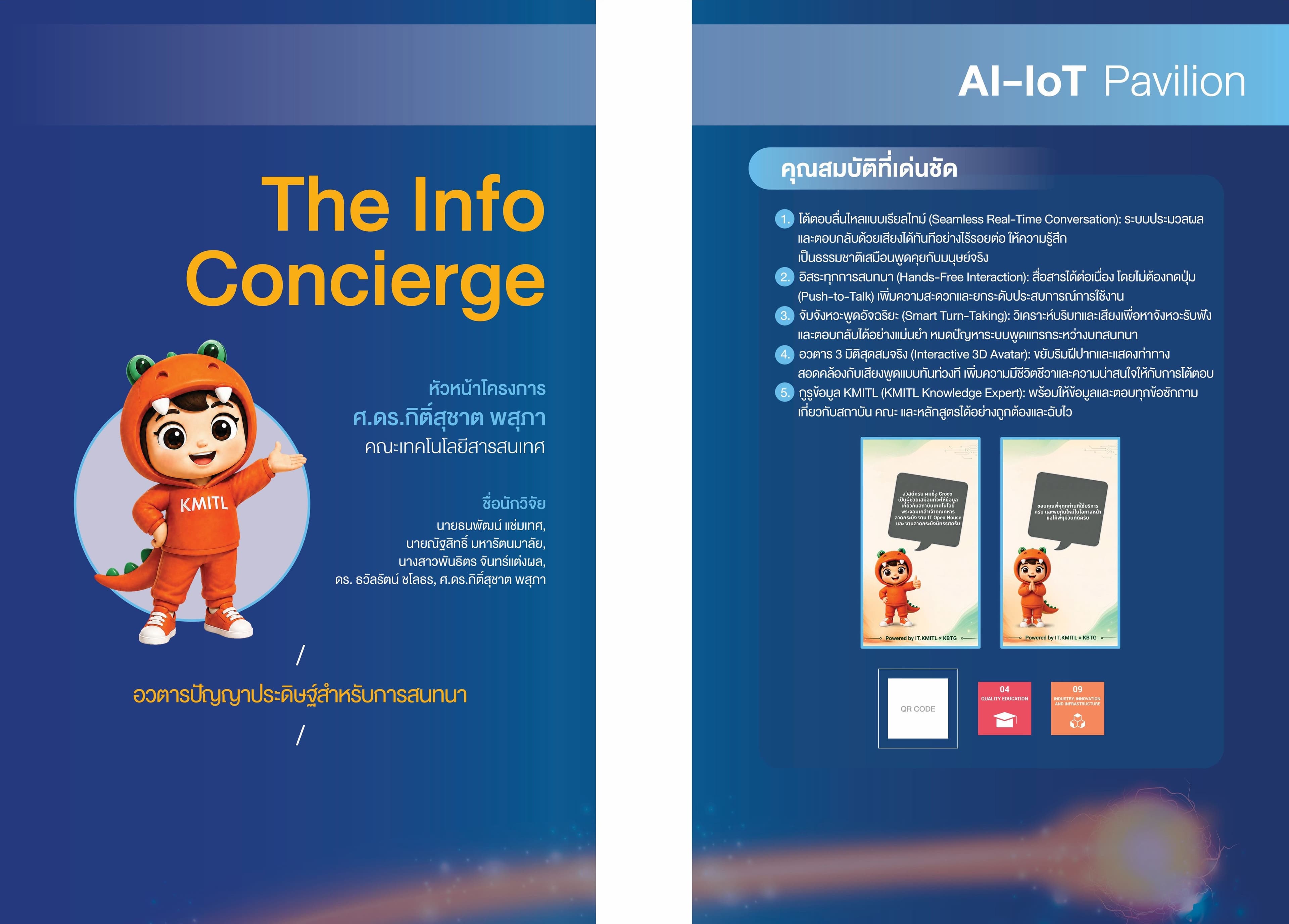
Croco is a real-time conversational artificial intelligence (AI) avatar system that integrates Automatic Speech Recognition (ASR), Large Language Models (LLMs), and Text-to-Speech (TTS) technologies into a unified framework. By incorporating Semantic End-of-Turn Detection alongside Voice Activity Detection (VAD), the system facilitates natural, low-latency, and autonomous dialogue without the need for manual intervention (i.e., hands-free operation). Furthermore, the architecture utilizes a 3D avatar featuring real-time, synchronized lip-syncing and contextual gestures, and is specifically optimized to deliver accurate and instantaneous responses to inquiries concerning King Mongkut's Institute of Technology Ladkrabang (KMITL).