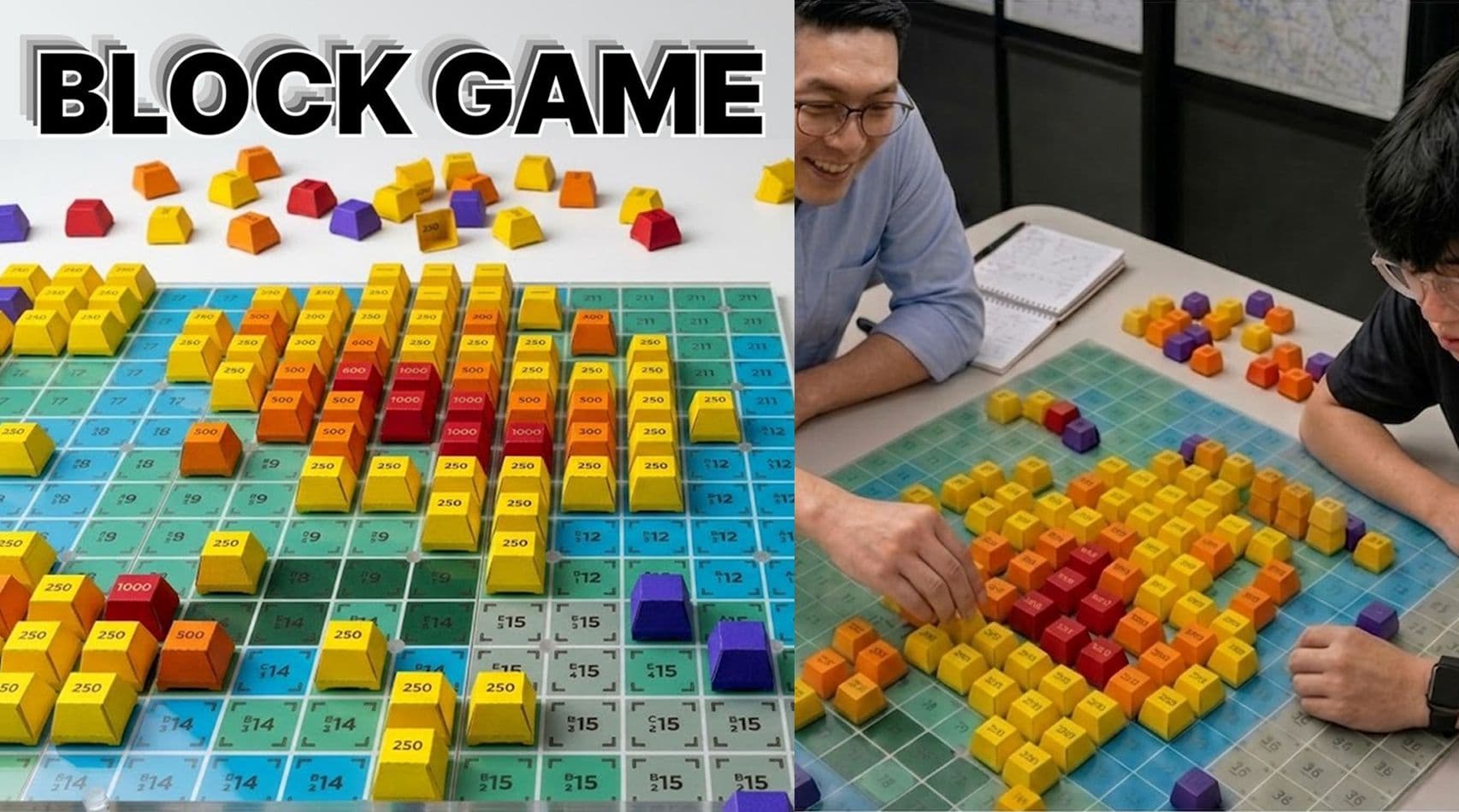
Rapid global urbanization has led to a continuous rise in urban populations, posing critical challenges to spatial and resource allocation in modern cities. This project aims to synthesize core urban planning issues into balanced scenarios and develop a prototype titled "Block Game: Learning of Spatial Urban Resource Management." Serving as an interactive learning tool, the game transforms complex theoretical concepts into tangible hands-on experiences. Designed for both urban planning students and the general public, the game allows players to step into the shoes of urban planners—experimenting with spatial layouts, balancing population capacity with available land, and reserving space for future development. Through experiential learning, collaborative decision-making, active listening, and iterative design reflection, this prototype simplifies intricate academic principles into an engaging format. Ultimately, it fosters foundational spatial reasoning and participatory skills necessary for addressing future urban complexities, such as disaster risk management and climate change adaptation.
การศึกษาภาพรวมของการเปลี่ยนแปลงเมืองทั่วโลก โดยบูรณาการแนวโน้มของประชากรในเมืองระดับชุมชนเมืองและชนบทของ 237 ประเทศทั่วโลกเข้ากับข้อมูลเชิงลึกระดับประเทศระหว่าง ค.ศ. 1950 ถึง 2050 แสดงให้เห็นถึงโลกที่กลายเป็นเมืองมากขึ้น โดยปัจจุบันเมืองต่าง ๆ เป็นที่อยู่อาศัยของประชากรโลกถึง 45 เปอร์เซ็นต์ จากประชากรทั้งหมดประมาณ 8.2 พันล้านคน ซึ่งมากกว่าสองเท่าของสัดส่วนใน ค.ศ. 1950 ซึ่งประชากรเมืองที่มีแนวโน้มเพิ่มขึ้นนี้ยิ่งเพิ่มความท้าทายในการวางแผนเมืองในปัจจุบัน การสร้างความเข้าใจเกี่ยวกับเมือง โดยเฉพาะในประเด็นการจัดการทรัพยากรเมืองเชิงพื้นที่ เป็นจุดเริ่มต้นที่มีความเป็นพื้นฐานและมีความสำคัญสามารถนำไปสู่ความสำเร็จในการจัดการเมืองทั้งเชิงทฤษฎีและเชิงปฏิบัติ การกระตุ้นความสนใจตลอดจนการบ่มเพาะความเข้าใจในประเด็นดังกล่าว เปิดโอกาสให้การประยุกต์เครื่องมือส่งเสริมการเรียนรู้เข้ามามีบทบาทได้เป็นอย่างมีประสิทธิภาพ โดยเฉพาะเครื่องมือที่เอื้อต่อการผสมผสานการเรียนรู้ร่วมกับการทดลอง เล่น ลงมือปฏิบัติ ตลอดจนการมีปฏิสัมพันธ์ระหว่างผู้อื่น ซึ่งเป็นการจำลองการทำงานด้านการวางแผนเมืองในสถานการณ์จริงด้วย อีกทั้งเมื่อสามารถผนวกประสานเข้ากับเนื้อหาเชิงวิชาการที่ซับซ้อน ยิ่งส่งเสริมการเรียนรู้และกระตุ้นความสนใจในการวางแผนเมืองได้เป็นอย่างดี รวมทั้งเป็นการปูความเข้าใจพื้นฐานนำไปสู่การจัดการเมืองในประเด็นที่มีความท้าทายซับซ้อนยิ่งขึ้น เช่น การจัดการภัยพิบัติ การเปลี่ยนแปลงของสภาพภูมิอากาศ ฯลฯ ดังนั้นโครงการวิจัยนี้จึงมีเป้าหมายหลักในการสร้างโมเดลต้นแบบบล็อกเกมการเรียนรู้การจัดการทรัพยากรเมืองเชิงพื้นที่

คณะพยาบาลศาสตร์
-
คณะอุตสาหกรรมอาหาร
-
คณะวิศวกรรมศาสตร์
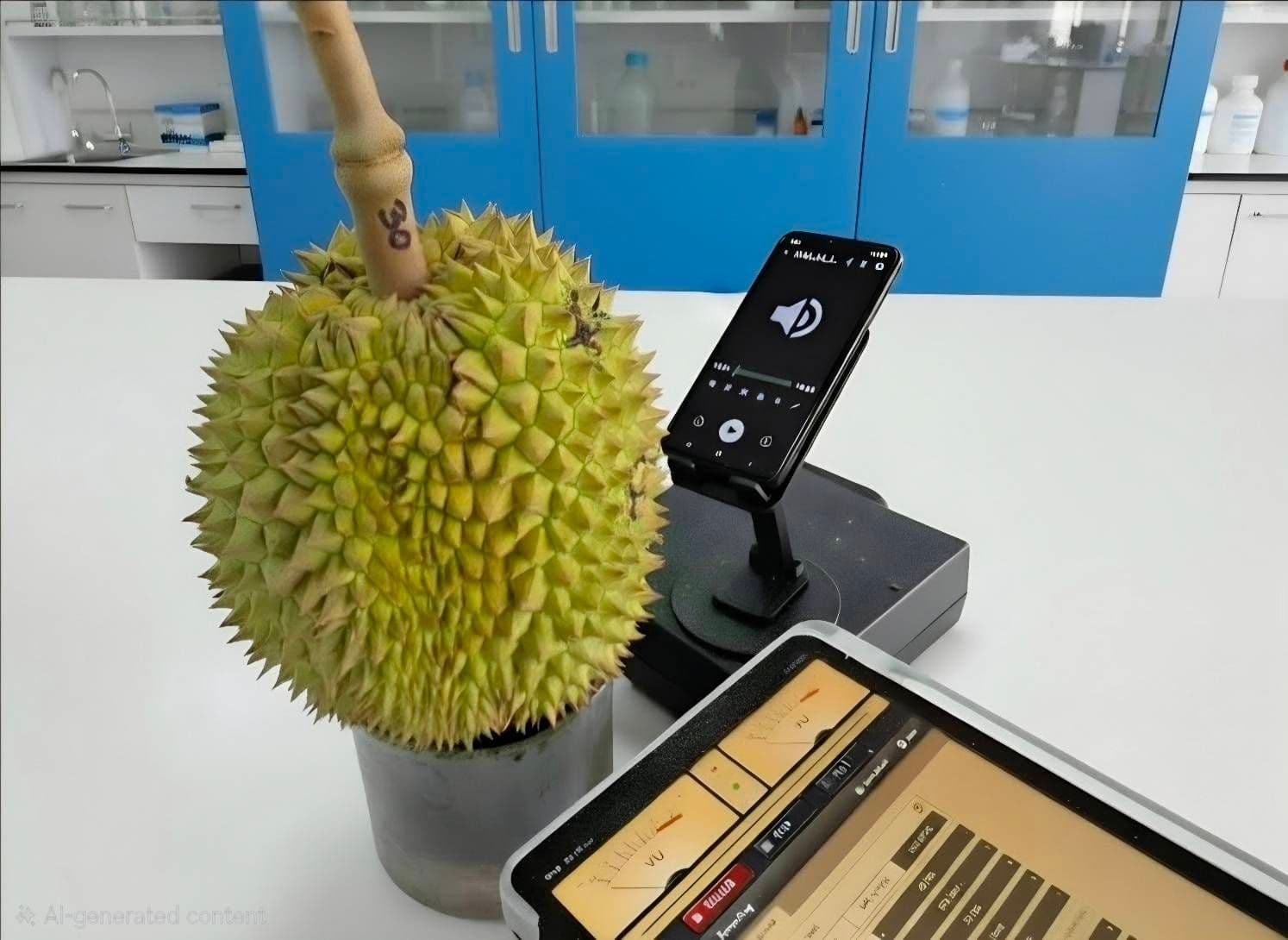
Durian is one of Thailand's most valuable economic fruits, yet ripeness assessment still relies primarily on experienced inspectors who evaluate the fruit by tapping and listening to its acoustic response. This conventional method is subjective and may lead to inconsistent results. This study presents the development of an AI-based acoustic system for non-destructive durian ripeness classification. The system integrates an acoustic acquisition device with an artificial intelligence model that analyzes tapping sounds. Audio signals are converted into Mel spectrograms and processed using a deep learning model to classify durian into three ripeness levels: Unripe, Mid-ripe, and Ripe. The system provides real-time classification results together with prediction confidence scores to support decision-making. The developed prototype demonstrated rapid, accurate, and consistent ripeness classification, reducing reliance on human expertise while improving the standardization of quality assessment. The proposed innovation offers significant potential for practical implementation in durian orchards, packing houses, and export industries by enhancing quality control, reducing classification errors, and supporting smart agriculture and digital transformation in Thailand's durian supply chain.