


This capstone project develops an AI-powered chatbot to address cybersecurity vulnerabilities, leveraging the Common Vulnerabilities and Exposures (CVE) system and the Common Vulnerability Scoring System (CVSS). The chatbot will provide accessible and informative support for understanding and mitigating these vulnerabilities, potentially leading to significant improvements in cybersecurity practices.
ในยุคที่การรักษาความปลอดภัยทางไซเบอร์มีการพัฒนาอย่างรวดเร็ว องค์กรต่างๆต้องเผชิญกับความท้าทายมากมายในการระบุและลดความเสี่ยงจากช่องโหว่ต่างๆ ภัยคุกคามทางไซเบอร์ที่มีความซับซ้อนเพิ่มขึ้นทำให้จำเป็นต้องมีเครื่องมือที่มีประสิทธิภาพและประสิทธิผลเพื่อช่วยให้นักทดสอบเจาะระบบสามารถประเมินช่องโหว่และผลกระทบที่อาจเกิดขึ้นได้ วิธีการปัจจุบันมักเกี่ยวข้องกับการค้นหาด้วยตนเองผ่านฐานข้อมูลขนาดใหญ่ ซึ่งอาจใช้เวลานานและมีโอกาสเกิดข้อผิดพลาดจากมนุษย์ แชทบอทที่ใช้ปัญญาประดิษฐ์สามารถทำให้กระบวนการนี้มีประสิทธิภาพมากขึ้น โดยให้ข้อมูลที่รวดเร็วและแม่นยำเกี่ยวกับช่องโหว่เฉพาะ รวมถึงคำอธิบาย คะแนน CVSS และระดับความรุนแรง
คณะเทคโนโลยีการเกษตร
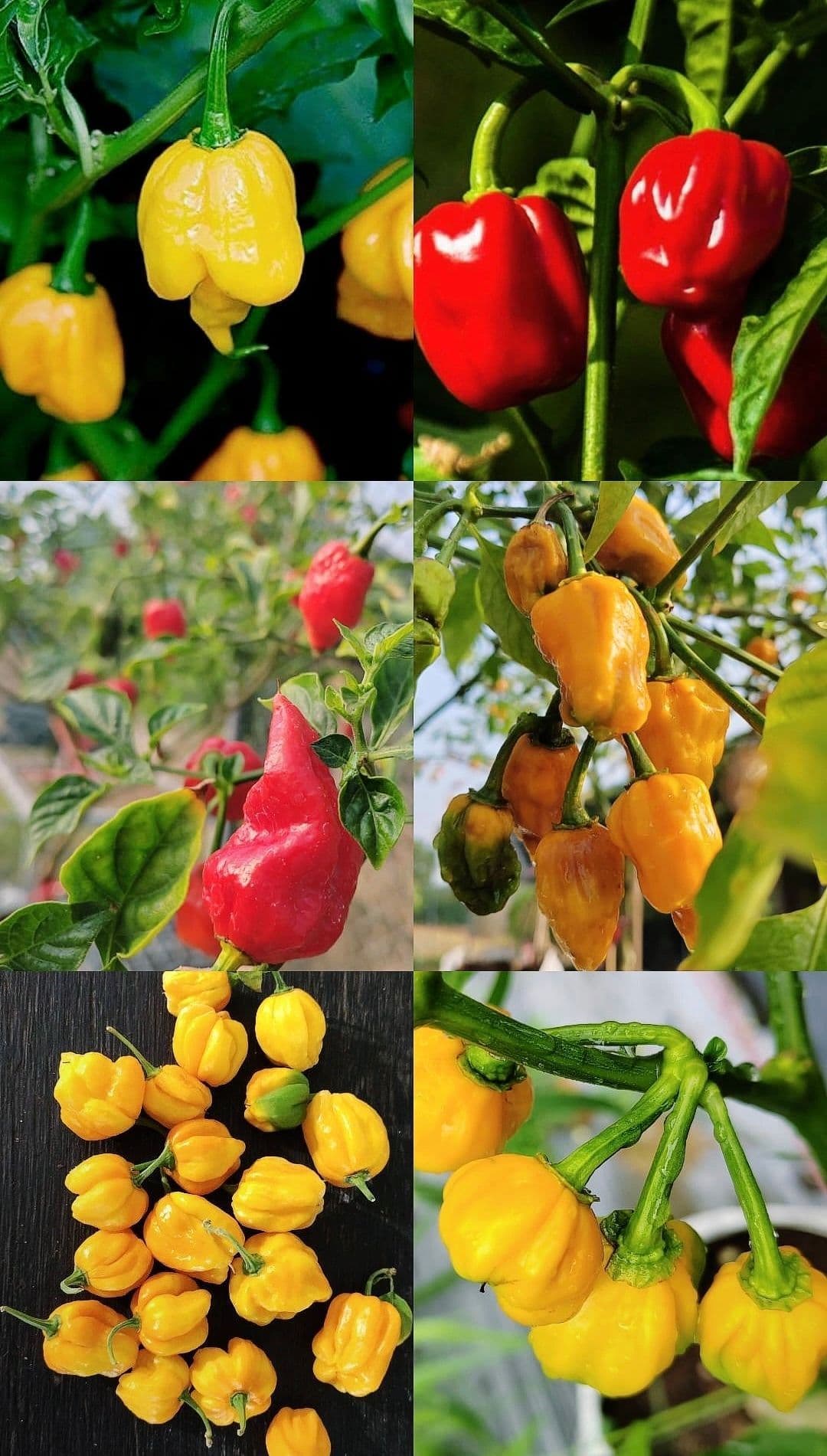
Capsicum chinense is a high-potential economic crop in the food and pharmaceutical industries due to its role as a primary source of capsaicin, a bioactive compound with significant physiological effects. However, capsaicin levels and fruit quality will be influenced by genetic factors, environmental conditions, and genetic-by-environment (G×E) interactions, leading to variability in capsaicin biosynthesis. This study will aim to analyze the impact of different environmental conditions on the growth, fruit quality, and capsaicin content of C. chinense ‘Scotch Bonnet’. The field experiments will be conducted at the demonstration plots of the Faculty of Agricultural Technology, King Mongkut’s Institute of Technology Ladkrabang, during two growing seasons: July–October (rainy season) and December–April (dry season). Four condition environments will be evaluated, and environmental parameters such as temperature, relative humidity, and light quality will be monitored to assess their effects on plant physiology and capsaicin biosynthesis. Additionally, an F1 hybrid breeding program will be established using six parental lines through a Half-diallel mating design, generating 15 hybrid combinations. The general combining ability (GCA) and specific combining ability (SCA) will be assessed to identify promising hybrid combinations with high and stable capsaicin content and yield. The findings from this study will be expected to provide valuable insights into optimizing cultivation conditions for high-pungency chili production and supporting the development of F1 hybrid seeds with commercial viability and consistent capsaicin levels.

วิทยาลัยนวัตกรรมการผลิตขั้นสูง
The offline evaluation system for Thai-language large language models (LLMs) is designed to enable experts to efficiently test and assess various LLMs without relying on external services. This enhances the flexibility in selecting LLMs that best suit organizational needs or expert systems (ES). The system operates on personal computers, ensuring data security by eliminating concerns about external data storage. Additionally, it supports model testing and development using Retrieval-Augmented Generation (RAG), allowing access to domain-specific knowledge for accurate, energy-efficient processing. This ensures that the models can perform optimally and effectively meet the demands of organizations and expert systems.
คณะเทคโนโลยีการเกษตร
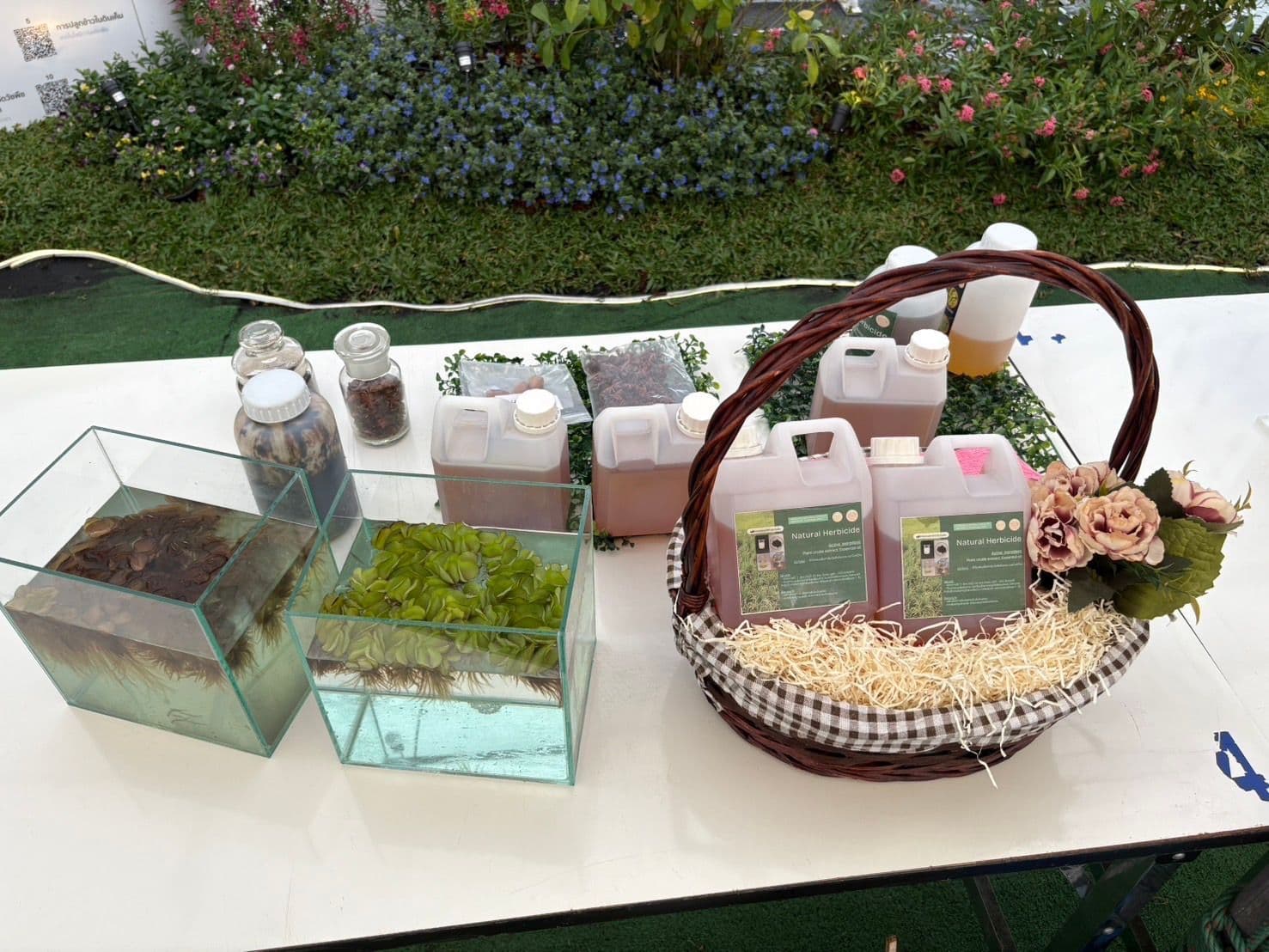
The use of chemical herbicides in agriculture has raised concerns due to its adverse effects on farmers' health, environmental sustainability, and consumer safety. Paraquat, a widely used herbicide, has been banned in Thailand. In response to this issue, this research focused on the development of natural herbicide products as an alternative to conventional chemical herbicides. The study involved the extraction of bioactive compounds from selected plants with potential herbicidal properties and evaluating their effectiveness in controlling target weeds. The results indicated that the developed natural herbicide demonstrates significant weed control efficiency. Additionally, this product can be applied to organic farming systems, reducing reliance on hazardous chemicals and promoting sustainable agricultural practices. The development of this natural herbicide served as an essential step toward environmentally friendly and safe agricultural solutions.