

The species Enterococcus lactis is closely related to E. faecium and is known for its beneficial and probiotic effects. In this study, strain RRS4 was isolated from Raphanus sativus Linn. and identified based on both phenotypic and genotypic characteristics. Strain RRS4 exhibited cell viability in environments with 2-8% NaCl, pH ranging from 4 to 9, and temperatures between 4°C and 45°C. Through comprehensive genomic analysis, strain RRS4 was confirmed to be E. lactis. E. lactis RRS4 demonstrated inhibitory effects against Vancomycin-resistant E. faecalis JCM 5803. Safety assessments via in silico methods, including KEGG annotation, indicated the absence of virulent and undesirable genes in E. lactis RRS4. VirulenceFinder analysis aligned virulence-related genes with those from three strains of E. lactis and four strains of E. faecium. While antibiotic resistance genes were found to be conserved, they did not correlate with key pathogenicity traits. Furthermore, safety evaluations highlighted that E. lactis RRS4 is generally safe, despite the presence of genes associated with antibiotic resistance. Lastly, we propose guidelines for assessing the safety of microbial strains using whole-genome analysis. These findings represent advancements in probiotic research.
ปัจจุบันมีงานวิจัยเกี่ยวกับโพรไบโอติกส์เพิ่มมากขึ้น เนื่องจากโพรไบโอติกส์มีประโยชน์ต่อสุขภาพมนุษย์โดยเฉพาะระบบทางเดินอาหาร เช่น ช่วยการปรับสมดุลลำไส้ กระตุ้นการทำงานของ ระบบภูมิคุ้มกัน ส่งเสริมกระบวนการย่อยอาหาร ลดระดับคอเลสเตอรอล ถึงแม้โพรไบโอติกส์จะมีประโยชน์มากแต่ก็ควรบริโภคในปริมาณที่เหมาะสม หากได้รับมากเกินไปอาจส่งผลเสียต่อร่างกายได้ โดยโพรไบโอติกส์สามารถพบได้ทั้งในแบคทีเรียและยีสต์ที่มีชีวิตหลายชนิด แต่ชนิดที่พบมากที่สุดและถูกใช้ในผลิตภัณฑ์อาหารเสริมมักจะอยู่ในกลุ่มของแบคทีเรียกรดแลคติก
คณะอุตสาหกรรมอาหาร
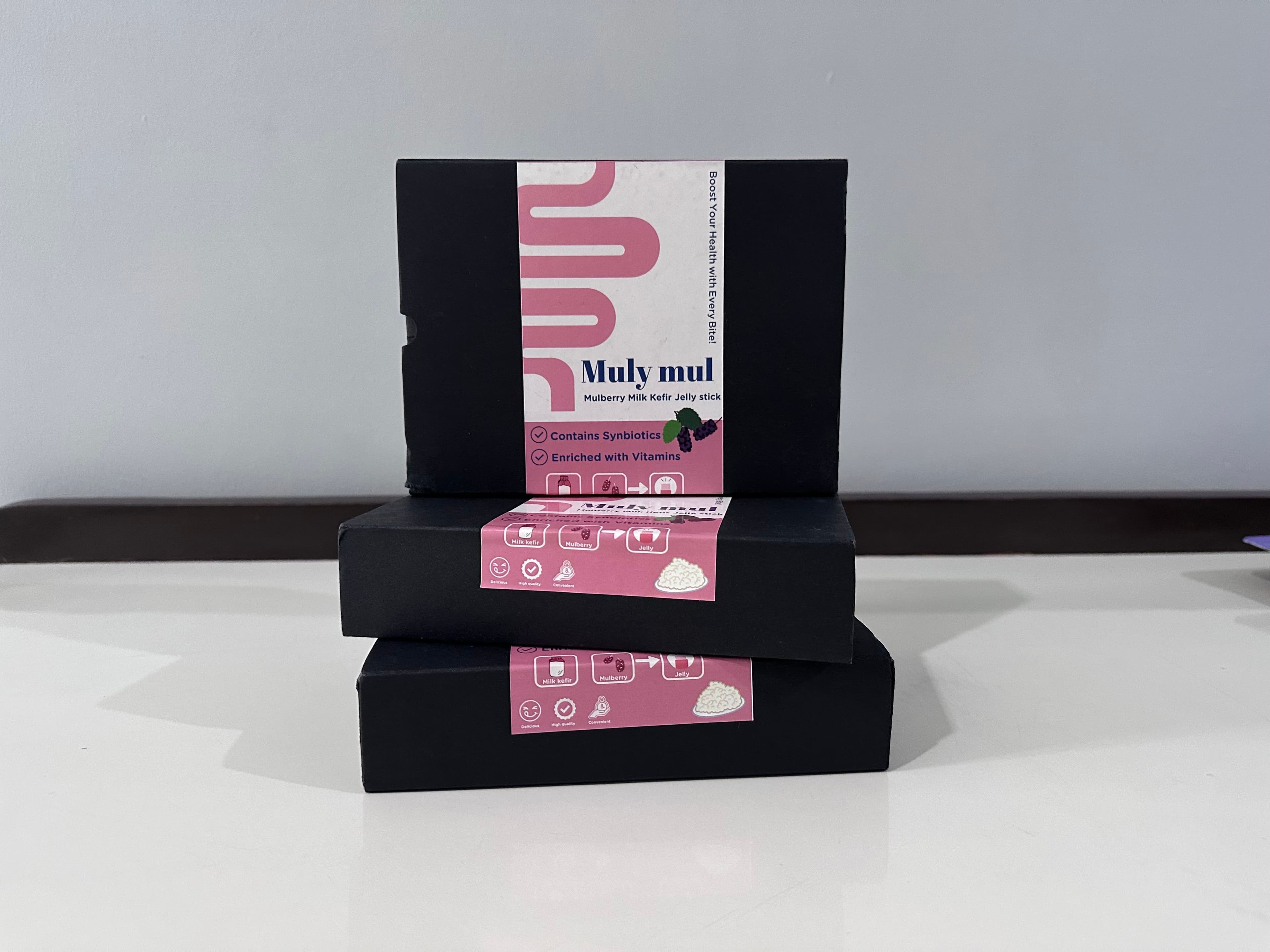
A new jelly snack alternative for health-conscious individuals—delicious, convenient, and gut-friendly. Rich in probiotics and prebiotics, packed with antioxidants, and essential vitamins. Suitable for health enthusiasts and lactose-intolerant individuals. Free from artificial colors and flavors

คณะวิทยาศาสตร์
In this paper, Vanadium dioxide (VO2) thin-film devices with two different use cases have been redesigned to introduce an asymmetrical resonant cavity structure. The structure is designed with the goal of enhancing the optical performance of the central VO2 layer and has an anti-reflection property in the cold state. The advantages and limitations of such a design are discussed.
คณะวิทยาศาสตร์
Eco Grow Pellets are high-porosity plant-growing clay pellets made from ceramic industrial sediment, blended with ground chicken bone to enhance calcium and essential minerals, promoting strong and healthy plant growth. They are suitable for all types of plants, especially those requiring well-aerated soil with good water drainage. Eco Grow Pellets are an innovative clay-based growing medium designed to optimize plant cultivation efficiency. Their high porosity structure allows for excellent air and water circulation, reducing soil compaction and waterlogging—common causes of root rot and stunted growth. Additionally, the pellets are enriched with calcium and essential minerals from ground chicken bones, reinforcing plant structure and enhancing root strength, enabling better nutrient absorption. This product is made from 100% recycled ceramic industrial sediment, aligning with the principles of Zero Waste and the BCG Economy Model. It helps minimize industrial waste while transforming discarded materials into high-value, eco-friendly growing media. Eco Grow Pellets are ideal for vegetables, flowers, and potted plants, offering ease of use, cleanliness, and safety. They contribute to sustainable agriculture by improving both crop productivity and environmental health.