


The production process of the food rancidity indicator label consists of three main steps: 1) preparation of the indicator solution, 2) preparation of the cellulose solution, and 3) formation of the sheet. The indicator solution includes bromothymol blue and methyl red, which act as indicators. The cellulose solution consists of hydroxypropyl methylcellulose, carboxymethyl cellulose, sodium hydroxide, polyethylene glycol 400, and the indicator solution. For the sheet formation, the cellulose solution was mixed with natural latex to increase flexibility and impart hydrophobic properties. After drying, the invention appears as a thin, dark blue label. When exposed to volatile compounds from rancid food, the label changes color from dark blue to green, and then to yellow, corresponding to the increasing amount of volatile compounds from the rancid food.
กลิ่นหืน (rancidity) เป็นกลิ่นผิดปกติของไขมันหรือน้ำมัน ที่แสดงถึงการเสื่อมเสียของอาหาร (food spoilage) เนื่องจากปฏิกิริยาทางเคมีในผลิตภัณฑ์ที่มีไขมันหรือน้ำมันเป็นองค์ประกอบเป็นดัชนีสำคัญต่ออายุการเก็บรักษา กลิ่นหืนเกิดจากปฏิกิริยาออกซิเดชันของลิพิด (lipid oxidation) ในรูปของไตรกลีเซอไรด์ (triglyceride) ที่มีกรดไขมันชนิดไม่อิ่มตัว (unsaturated fatty acid) ที่ตำแหน่งพันธะคู่ ผลจากปฏิกิริยานี้ทำให้เกิดสารที่ให้กลิ่นและรสที่ผิดปกติที่เรียกว่ากลิ่นหืน การหืนเป็นปฏิกิริยาลูกโซ่ (chain reaction) เพราะอนุมูลอิสระ (free radical) ที่เกิดขึ้นจะกระตุ้นโมเลกุลกรดไขมันที่เหลือให้เกิดปฏิกิริยาต่อไป ปฏิกิริยาออกซิเดชันของลิพิดแบ่งได้เป็น 3 ช่วง คือ 1) ขั้นเริ่มต้นเพื่อก่อให้เกิดอนุมูลอิสระ (initiation) 2) ขั้นเกิดปฏิกิริยาลูกโซ่ (propagation) และ 3) ขั้นยุติที่อนุมูลอิสระทำปฏิกิริยากันเอง (termination) ทำให้มีกลิ่นหืนจากสารแอลดีไฮด์ แอลกอฮอล์ ฟูแรน และกรดที่ผลิตขึ้น โดยสารเฮกซานาลซึ่งเป็นสารกลุ่มแอลดีไฮด์มักใช้เป็นตัวบ่งชี้การเกิดการหืนในอาหาร สารที่เกิดจากการหืนเหล่านั้นมีผลต่อคุณภาพอาหารและสุขภาพของผู้บริโภค ทำให้คุณภาพของอาหารเสื่อมลง สมบัติทางกายภาพและทางเคมีเปลี่ยนแปลง อาหารมีสีผิดปกติ กลิ่นรสและลักษณะเนื้อสัมผัสของอาหารเปลี่ยนแปลง คุณค่าทางอาหารลดลง และบางครั้งอาจมีสารที่เป็นอันตรายต่อร่างกายเกิดขึ้นด้วย ปัจจุบันนี้ได้มีการศึกษาและพัฒนาการใช้ฉลากอัจฉริยะติดบนบรรจุภัณฑ์เพื่อบ่งบอกถึงคุณภาพของผลิตภัณฑ์แก่ผู้บริโภค เป็นนวัตกรรมที่คิดค้นขึ้นมาเพื่อเป็นเครื่องมือหนึ่งในการสร้างความน่าเชื่อถือและความมั่นใจให้กับผู้บริโภคซึ่งต้องการผลิตภัณฑ์อาหารที่มีความสด ใหม่ และปลอดภัย เพื่อช่วยให้ผู้บริโภคตัดสินใจเลือกซื้อผลิตภัณฑ์ต่าง ๆ ได้อย่างสะดวกและปลอดภัยมากขึ้น ในแง่ของผู้ขายก็เป็นการเพิ่มมูลค่าของสินค้าทำให้สามารถบริหารจัดการผลิตภัณฑ์ต่าง ๆ ได้ดียิ่งขึ้น เพราะจะทราบระยะเวลาที่ผลิตภัณฑ์ยังคงความสดใหม่และสามารถวางอยู่ที่ชั้นขายได้ ดังนั้นโครงการวิจัยนี้จึงเป็นการพัฒนาฉลากอัจฉริยะแสดงระดับความหืนของอาหารทอด ซึ่งมีวัตถุประสงค์หลักเพื่อ 1) ศึกษาการเปลี่ยนแปลงสมบัติทางเคมีฟิสิกส์ของอาหารทอดระหว่างการเก็บรักษา และ 2) พัฒนาฉลากแสดงระดับความหืนของอาหารทอดระหว่างการเก็บรักษา โดยมีวิธีการวิจัยดังนี้ ใช้ข้าวเกรียบทอดเป็นตัวแทนของอาหารทอด แล้ววิเคราะห์ปริมาณค่าเปอร์ออกไซด์ (peroxide value) ค่าความเป็นกรด (acid value) ค่ากรดไทโอบาร์บิทูริค (thiobarbituric acid) ค่ากรดไขมัน (fatty acids) ที่เปลี่ยนแปลงระหว่างการเก็บรักษาในสภาวะควบคุม รวมทั้งการพัฒนาฉลากเซนเซอร์อัจฉริยะที่ตรวจวัดปริมาณแอลดีไฮด์ที่เกิดจากการหืนแล้วแสดงค่าเป็นความเข้มสีต่าง ๆ ที่สอดคล้องกับปริมาณของระดับความหืน (หรือระดับค่าทางเคมีที่เกี่ยวข้อง) โดยใช้พอลิแซคคาไรด์ซึ่งเป็นพอลิเมอร์ธรรมชาติ ย่อยสลายได้ง่ายและไม่เป็นพิษต่อสิ่งแวดล้อมและผู้บริโภคเป็นวัสดุสำหรับสร้างแผ่นฉลาก และมีสีย้อมที่ทำหน้าที่เป็นเซนเซอร์ดักจับและทำปฏิกิริยากับผลิตภัณฑ์ที่เกิดจากการเหม็นหืนอย่างจำเพาะเป็นส่วนประกอบสำคัญ ในการวิจัยจะทำการพัฒนาฉลากอัจฉริยะให้มีว่องไวต่อการตรวจวัดการเหม็นหืนและคงความเสถียรของสีไว้ให้นาน จากนั้นหาความสัมพันธ์ระหว่างการทดสอบอาหารทอดด้วยประสาทสัมผัส (sensory test) กับการเปลี่ยนสีของฉลากอัจฉริยะ และสุดท้ายทำการทดสอบประสิทธิภาพของฉลากอัจฉริยะแสดงระดับความหืนของอาหารทอด และกำหนดค่าดัชนีชี้วัดระดับความหืนของอาหารทอดที่ทดลอง
คณะเทคโนโลยีการเกษตร
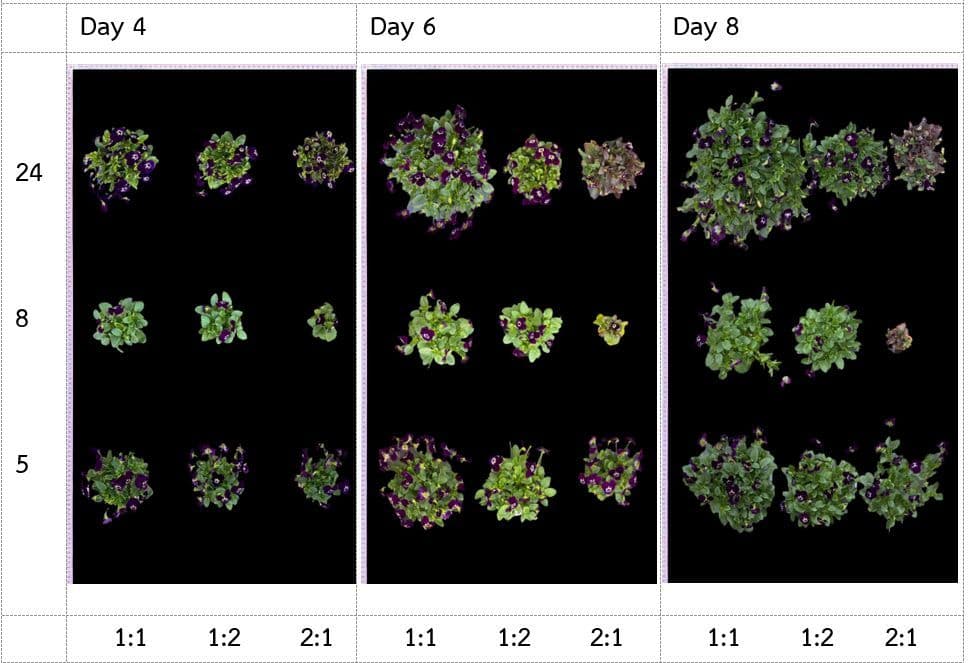
The objective of this experiment was to determine the effect of nitrogen and potassium concentration combination with photoperiod on the growth of Viola in a plant factory to increase the quality of the products, reduce the production time and increase the production cycle throughout the year. The experimental plan was 3x3 Factorial in CRD with nine treatments and three replications (six plants per replication). The factor of this study was two factors; the first factor was three different concentrations of nitrogen and potassium in ratios of 1:1, 1:2 and 2:1. The second factor was the application of different photoperiods. There were 1) 24-hours photoperiod, 2) 8-hours light/16-hours dark photoperiod (Induced flowering state: 13-hours light/11-hours dark photoperiod) and 3) 5-hours light/3-hours dark photoperiod. Controlled temperature at 25 °C, the EC=1.5-2.0 mS/cm and the pH=5.8-6.5 in all treatment. The result showed that the concentration of N: K in the ratio of 1:1 combined with 24-hour photoperiod was the most vegetative growth and also maximizes reproductive growth. The overall great sensory evaluation was an acceptable level and suitable for cooking or decorating dishes. Therefore, the concentration of N: K in the ratio of 1:1 combined with 24-hour photoperiod is the best treatment to increase the quality of the product, reduce the production time of viola flowers in each cycle from 90-100 days down to 43-45 days which is good for farmers.
คณะเทคโนโลยีการเกษตร
-
คณะวิศวกรรมศาสตร์
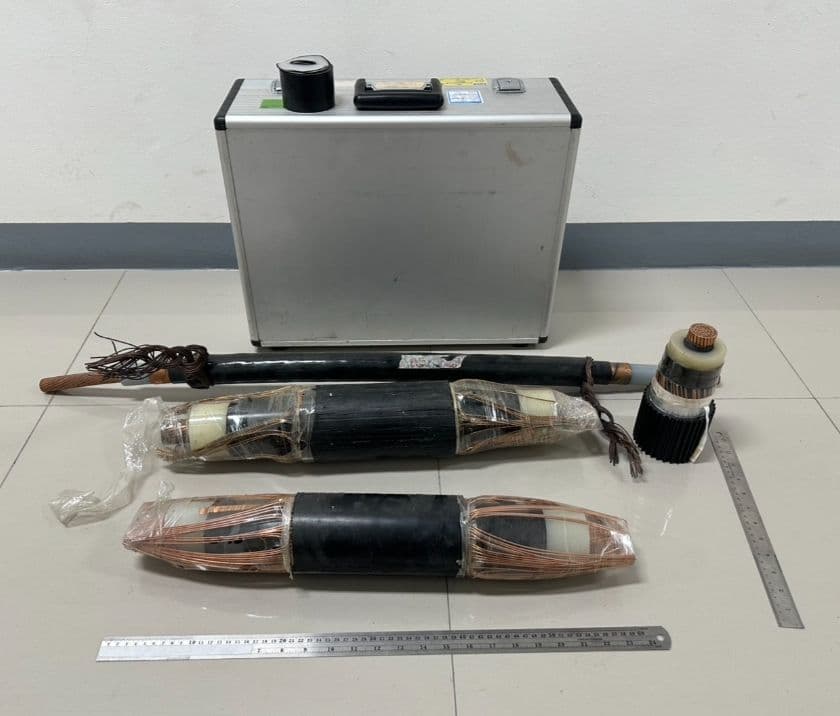
Due to the modern urban system's high demand for stable electricity supply, underground cable power transmission has been increasingly adopted as a replacement for overhead power transmission. However, underground cable transmission still faces several operational challenges, such as significantly higher investment costs compared to overhead transmission, prolonged repair times in the event of system failures, limited fault analysis capabilities, and restricted capacity for additional load handling. This research project is designed to study the issues associated with the 22 kV XLPE underground cable system by utilizing the polarization and depolarization current analysis technique, a modern insulation diagnostic method.