

Tepache is a traditional Mexican fermented beverage commonly made using pineapple peels, which naturally contain sugars and the enzyme bromelain. These components contribute to its distinctive aroma and unique flavor. This project aims to develop a health-enhancing tepache by fermenting pineapple peels with probiotic yeast and lactic acid bacteria. Additionally, prebiotics, including inulin and xylo-oligosaccharides, are incorporated as nutrients to support probiotic growth. The resulting synbiotic tepache promotes gut microbiota balance, exhibits antioxidant properties, and enhances the immune system, making it a functional and beneficial beverage for consumers.
เตปาเช่ (Tepache) เป็นเครื่องดื่มพื้นเมืองของเม็กซิโกที่ทำจากเปลือกสับปะรดร่วมกับน้ำตาลหรือเครื่องปรุงรสอื่นๆ เพื่อกระตุ้นการหมักซึ่งมักได้จากยีสต์และแบคทีเรียที่เกิดตามธรรมชาติในสับปะรด เตปาเช่ได้รับความนิยมมากในภูมิภาคละตินอเมริกาเพราะมีรสชาติเปรี้ยวอมหวานที่สดชื่น และเป็นที่รู้จักในฐานะเครื่องดื่มที่มีประโยชน์ต่อสุขภาพ เนื่องจากมีจุลินทรีย์ที่ส่งเสริมการย่อยอาหารคล้ายกับเครื่องดื่มประเภทโพรไบโอติกการนำเปลือกสับปะรด ซึ่งถือเป็นขยะอาหาร (food waste) มาใช้ในการผลิตเตปาเช่ มีความสำคัญอย่างมากในแง่ของการลดผลกระทบต่อสิ่งแวดล้อม เนื่องจากเปลือกสับปะรดมีส่วนประกอบถึง 40% ของผลสับปะรด ซึ่งมักถูกทิ้งในอุตสาหกรรมแปรรูปอาหาร การใช้เปลือกสับปะรดในกระบวนการหมักไม่เพียงแต่เพิ่มมูลค่าให้กับของเสียทางการเกษตรนี้เท่านั้น แต่ยังสอดคล้องกับแนวคิดเศรษฐกิจหมุนเวียน (Circular Economy) โดยลดของเสียและสร้างเครื่องดื่มที่มีประโยชน์ต่อสุขภาพ ปัจจุบันเตปาเช่ได้รับความสนใจจากการเป็นเครื่องดื่มที่ทำจากกระบวนการหมักแบบธรรมชาติ ซึ่งไม่เพียงแค่ให้ความสดชื่น แต่ยังมีประโยชน์ต่อระบบย่อยอาหารและสุขภาพลำไส้ เนื่องจากมีจุลินทรีย์ที่มีประโยชน์ เช่น แลคโตบาซิลลัส (Lactobacillus) และยีสต์ การบริโภคเตปาเช่จึงถือเป็นอีกหนึ่งวิธีในการส่งเสริมสุขภาพโดยเฉพาะในกลุ่มคนที่สนใจโพรไบโอติกจากแหล่งธรรมชาติ การศึกษาวิธีการผลิตและคุณภาพของเตปาเช่จึงมีความสำคัญ เพราะสามารถช่วยพัฒนาอุตสาหกรรมเครื่องดื่มเพื่อสุขภาพได้ ทั้งในแง่ของการเพิ่มมูลค่าให้กับผลผลิตทางการเกษตร เช่น สับปะรดที่เหลือจากกระบวนการผลิตอื่น ๆ อย่างไรก็ตาม การศึกษาวิจัยเกี่ยวกับเตปาเช่ยังมีอย่างจำกัดทั้งทางด้านจุลชีววิทยา และกรรมวิธีการผลิตให้มีคุณภาพ จึงเป็นเรื่องท้าทายในการทำให้ผลิตภัณฑ์มีรสชาติและคุณภาพที่คงที่ นอกจากนี้การหมักแบบธรรมชาติมีปัจจัยหลากหลายที่ส่งผลต่อคุณภาพเครื่องดื่ม ทั้งอุณหภูมิ เวลา ความเข้มข้นของน้ำตาล และชนิดของจุลินทรีย์ที่ใช้ในการหมัก การศึกษาและพัฒนาวิธีการผลิตที่ควบคุมคุณภาพได้จึงเป็นที่ต้องการ ดังนั้น การวิจัยและพัฒนากระบวนการผลิตเตปาเช่ที่สามารถควบคุมคุณภาพได้ทั้งทางกายภาพ เคมี และประสาทสัมผัส รวมถึงการใช้จุลินทรีย์โพรไบโอติกที่มีประโยชน์ในการผลิตจึงมีความสำคัญ ซึ่งอาจนำไปสู่การเพิ่มมูลค่าให้กับผลผลิตทางการเกษตร เช่น การใช้สับปะรดที่เหลือจากการแปรรูปอื่น ๆ เพื่อพัฒนาเป็นเครื่องดื่มเพื่อสุขภาพที่ตอบสนองความต้องการของผู้บริโภค

คณะสถาปัตยกรรม ศิลปะและการออกแบบ
This research focuses on the design of a Metaverse Prototype Thai Film Archive (Public Organization) to study immersive experiences. The aims were to: 1) examine design concepts and technologies for digital immersion, 2) create and showcase these designs in the Metaverse cinema, and 3) evaluate the results and formulate knowledge for virtual exhibition design using qualitative research methods, including prototype testing with participant interviews to assess satisfaction. The design principles consisted of architectural, exhibition, and user experience concepts, leading to a virtual world creation process involving 3D structural modeling, interactive functionalities, and exhibition layout before prototype testing. The evaluation included tests by ten participants and group discussions on overall experience, cinema content value, Metaverse design, and educational enhancement in museums. The design evaluation indicated a 70% positive overall experience, with half of the users finding stable usability. However, significant viewing barriers were identified, with a high need for operational instructions and navigational aids. Content understanding and Metaverse interaction were perceived positively, and the educational aspect was highly valued. The study concludes that while the overall experience was good, technology limitations (as of 2023) and interaction challenges require ongoing refinement to improve stability and usability, although the educational value was affirmed as strong.
คณะเทคโนโลยีการเกษตร
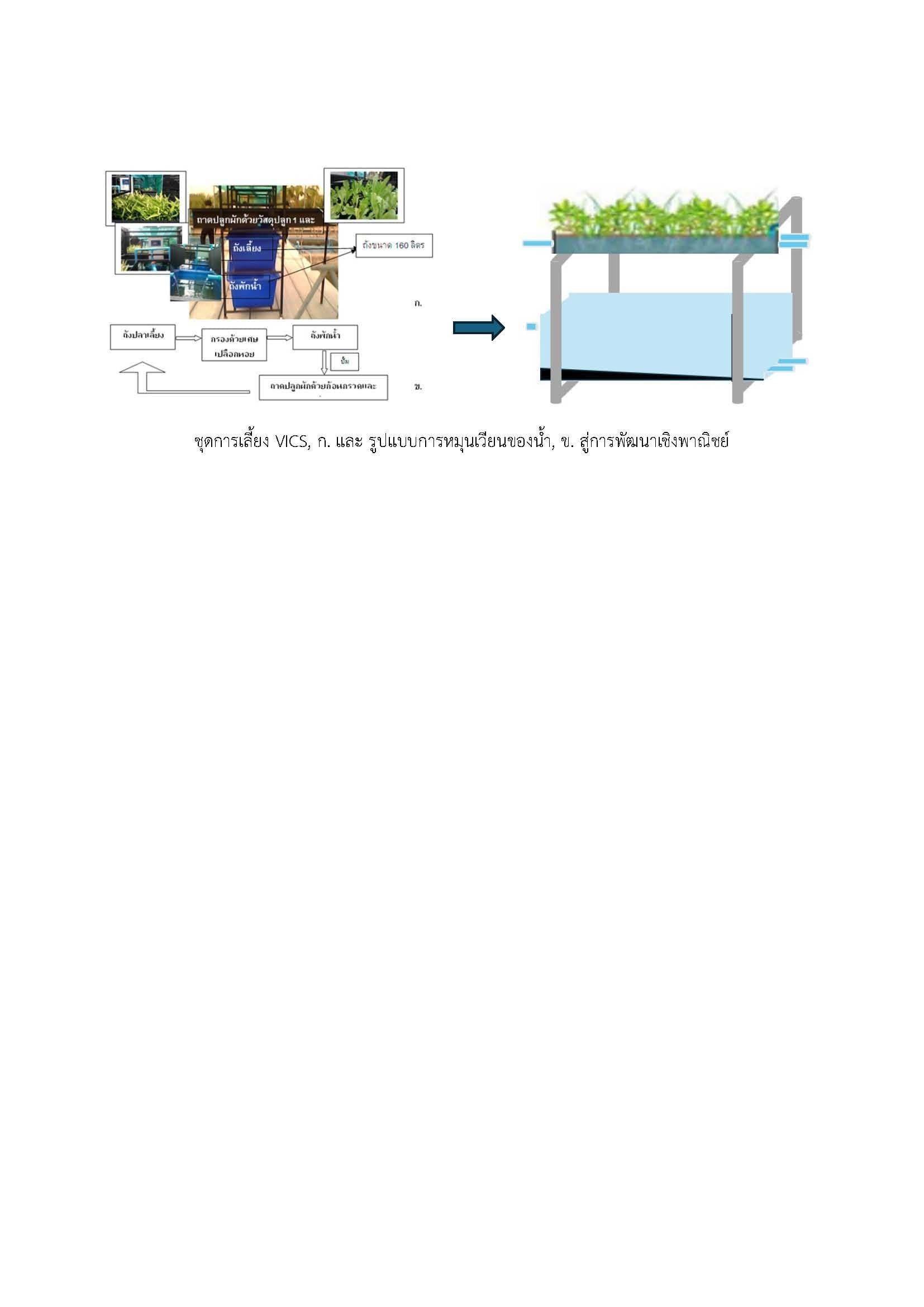
The innovation of the vertical aquaponics system for rearing golden apple snails integrating with vegetable cultivation by using substrates to water treatment. The system aims to maximize the use of vertical space, save water, and produce safe vegetables for consumption or commercial purposes, and to support living things. The golden apple snail excretes wastes/leftover food scraps that are filtered on the substrates used for water treatment. Meanwhile, natural bacteria help change these wastes into nutrients that plants can use. Therefore, the system is environmentally friendly.
คณะวิศวกรรมศาสตร์
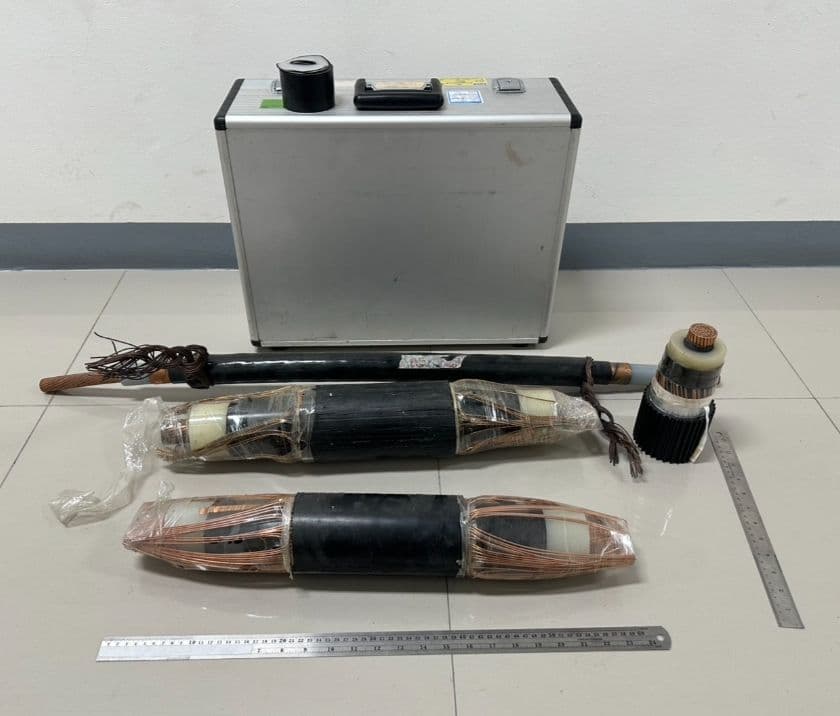
Due to the modern urban system's high demand for stable electricity supply, underground cable power transmission has been increasingly adopted as a replacement for overhead power transmission. However, underground cable transmission still faces several operational challenges, such as significantly higher investment costs compared to overhead transmission, prolonged repair times in the event of system failures, limited fault analysis capabilities, and restricted capacity for additional load handling. This research project is designed to study the issues associated with the 22 kV XLPE underground cable system by utilizing the polarization and depolarization current analysis technique, a modern insulation diagnostic method.