

This research focuses on the design and development of a high-power converter to regulate energy supply from solar cells (Photovoltaic: PV) to a hydrogen production unit (Electrolyzer), which is a crucial component in advancing renewable energy in alignment with the RE100 initiative. Specifically, this study targets Green Hydrogen, which is generated through the water electrolysis process using clean energy from solar cells, ensuring zero emissions and environmental sustainability. The proposed converter includes of a Three-Level NPC Inverter, transformer, Full-Bridge Rectifier, and LC filter to enhance the power quality supplied to the electrolyzer. The system's design and simulation were conducted using MATLAB and Simulink to evaluate circuit performance and analyze operational efficiency. Simulation was conducted using MATLAB and Simulink to evaluate circuit performance and analyze operational efficiency. Additionally, a microcontroller-based control system is integrated with a gate driver circuit to optimize the electrolysis process by reducing power losses. This proposed converter effectively converts PV energy into suitable voltage and current levels for the electrolyzer while maintaining high hydrogen production efficiency.
ปัจจุบัน โลกกำลังเผชิญกับปัญหาการเปลี่ยนแปลงสภาพภูมิอากาศและภาวะโลกร้อน ซึ่งเกิดจากการปล่อยก๊าซคาร์บอนไดออกไซด์ (CO₂) และก๊าซเรือนกระจกจากภาคอุตสาหกรรม การคมนาคม และการผลิตไฟฟ้าจากเชื้อเพลิงฟอสซิล เพื่อแก้ไขปัญหานี้ หลายประเทศได้ร่วมมือกันภายใต้ COP25 ซึ่งเป็นการประชุมด้านสภาพภูมิอากาศของสหประชาชาติ โดยมีเป้าหมายลดการปล่อยก๊าซเรือนกระจกให้เป็นศูนย์ภายในปี 2050 หนึ่งในแนวทางสำคัญที่ช่วยลดการพึ่งพาพลังงานฟอสซิลคือ พลังงานหมุนเวียน (Renewable Energy) เช่น พลังงานลม (Wind Energy) และพลังงานน้ำ (Hydropower) ซึ่งสามารถลดการปล่อย CO₂ ได้อย่างมีประสิทธิภาพ โดยเฉพาะ โซล่าร์เซลล์ (Photovoltaic: PV) ที่ได้รับความนิยมเนื่องจากติดตั้งง่าย ราคาถูกลง และเหมาะกับการใช้งานทั้งระดับครัวเรือนและภาคอุตสาหกรรม อย่างไรก็ตาม พลังงานหมุนเวียนมีข้อจำกัดเรื่องความไม่เสถียร เนื่องจากแสงแดดและลมมีความผันผวน จึงจำเป็นต้องมี Energy Storage System (ESS) เพื่อกักเก็บพลังงานส่วนเกินและนำมาใช้ในช่วงที่แหล่งพลังงานไม่สามารถผลิตไฟฟ้าได้ Green Hydrogen เป็นอีกแนวทางสำคัญในการลดการปล่อย CO₂ โดยผลิตจากกระบวนการ Electrolysis ของน้ำ ซึ่งใช้พลังงานหมุนเวียนในการแยกไฮโดรเจนออกจากออกซิเจน ทำให้เป็นกระบวนการผลิตพลังงานที่ปราศจากมลพิษ ไฮโดรเจนที่ได้สามารถใช้เป็นแหล่งพลังงานสะอาดผ่าน Fuel Cell เพื่อเปลี่ยนกลับเป็นไฟฟ้าได้ โครงงานนี้มุ่งเน้นการออกแบบและพัฒนา Converter สำหรับทำงานร่วมกับ Photovoltaic Cell และ Hydrogen Electrolyzer เพื่อเพิ่มประสิทธิภาพในการผลิต Green Hydrogen และส่งเสริมการใช้พลังงานสะอาดในระบบกักเก็บพลังงาน ซึ่งจะช่วยลดการปล่อยก๊าซเรือนกระจกและสนับสนุนเป้าหมายของ RE100 และ COP25 ในการสร้างโลกที่ยั่งยืน
คณะสถาปัตยกรรม ศิลปะและการออกแบบ
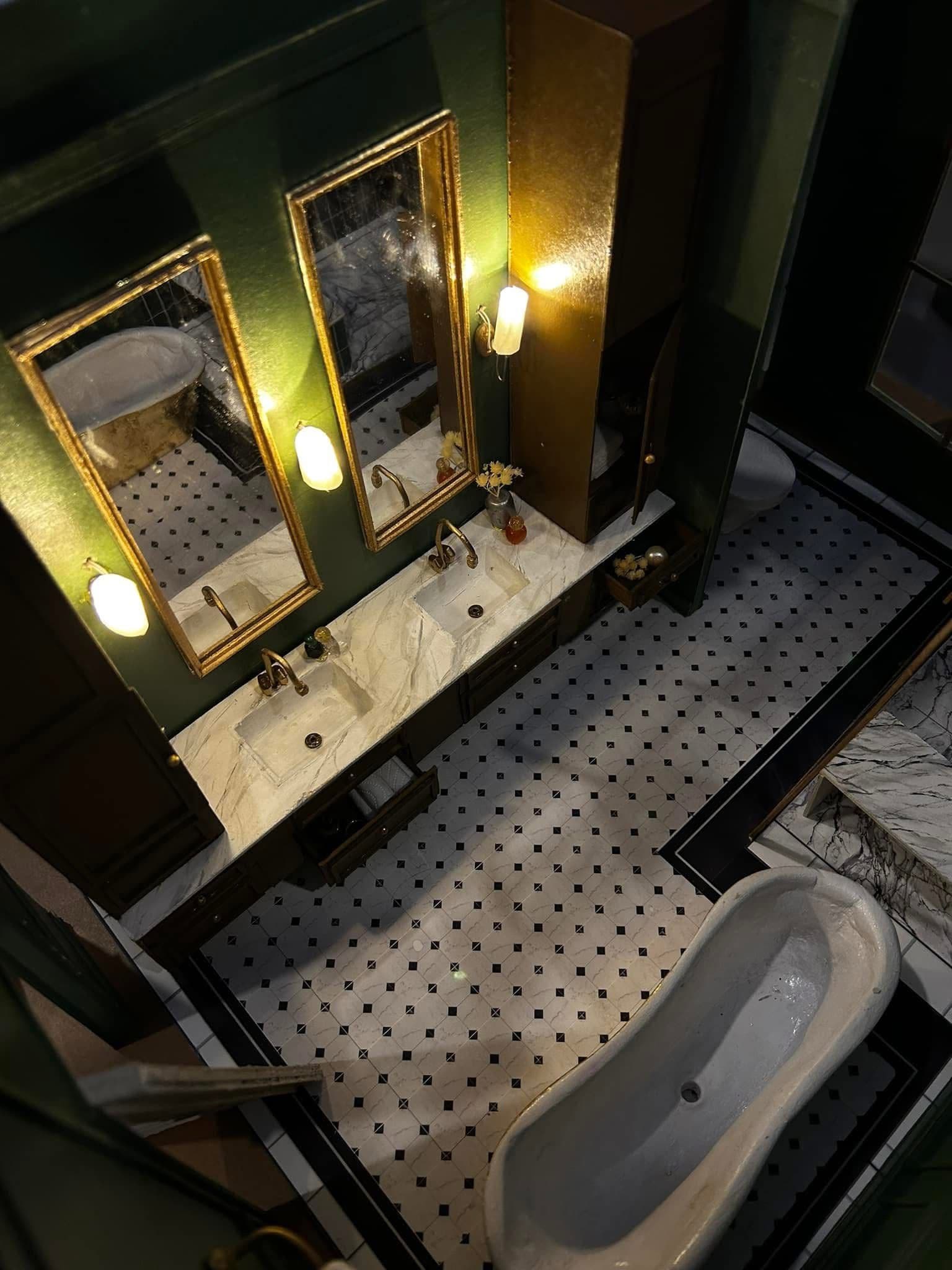
The design and construction of a detailed bathroom model with structural components aim to provide a comprehensive understanding of plumbing and electrical systems in bathrooms. This project enables learners to study the intricacies of bathroom infrastructure through a highly detailed model.
คณะสถาปัตยกรรม ศิลปะและการออกแบบ
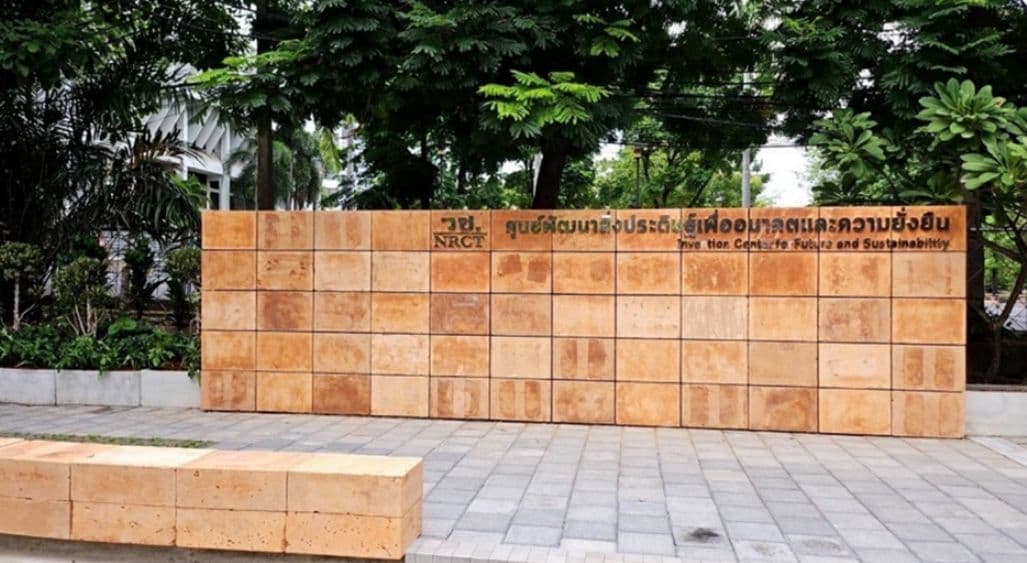
The " Center of Invention for Future and Sustainability Project (Continuing)" serves as a continuation of a pilot initiative focused on the retrofitting of older buildings (Vach. 7), specifically a five-story structure. The primary aim of this project is to develop methodologies for enhancing the sustainability of existing buildings in order to mitigate carbon dioxide emissions. In the execution of the Future and Sustainability Innovation Development Center Project (Continuing), a comprehensive analysis of relevant data and theoretical frameworks has been undertaken, leading to the formulation of a research methodology designed to identify optimal strategies for retrofitting older buildings to reduce carbon dioxide emissions. This approach is structured into three principal phases: the combustion of fuels associated with transportation, labor, and materials; the electricity consumption during the construction process; and the accumulation of greenhouse gases from both existing and new construction materials. The project employs an experimental research design, wherein empirical data is collected to evaluate and quantify the equivalent carbon dioxide emissions arising from the construction of new buildings compared to the retrofitting of the selected case study building. Subsequent analysis of the collected data revealed that retrofitting the existing structure—through the integration of sustainable design principles—resulted in greenhouse gas emissions of 11.88 kgCO2e/sq.m. In contrast, the emissions associated with new building construction amounted to 299.35 kgCO2e/sq.m., indicating a reduction in carbon dioxide emissions by a factor of approximately 26 when compared to the construction of new buildings.
คณะวิทยาศาสตร์
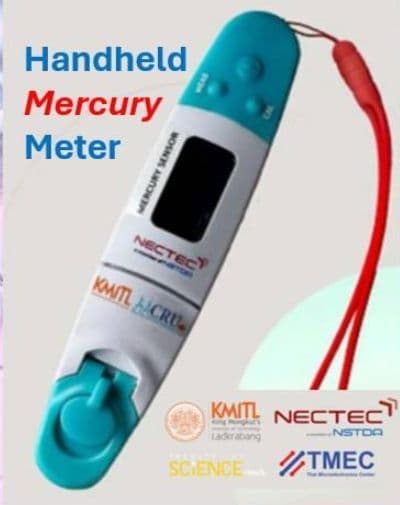
This work presents the fabrication of the handheld meter for potentiometric detection of Hg (II). The meter was constructed based on using an ion-sensitive field-effect transistor (ISFET) platform. The developed meter provides high accuracy and precision (%Recovery was in the range of 92.55 - 109.32 and %RSD was 2.38). It was applied to the analysis of cosmetic samples. The results by the developed electrode were not significantly different at a 95% confidence level compared to the results by using ICP-OES.