
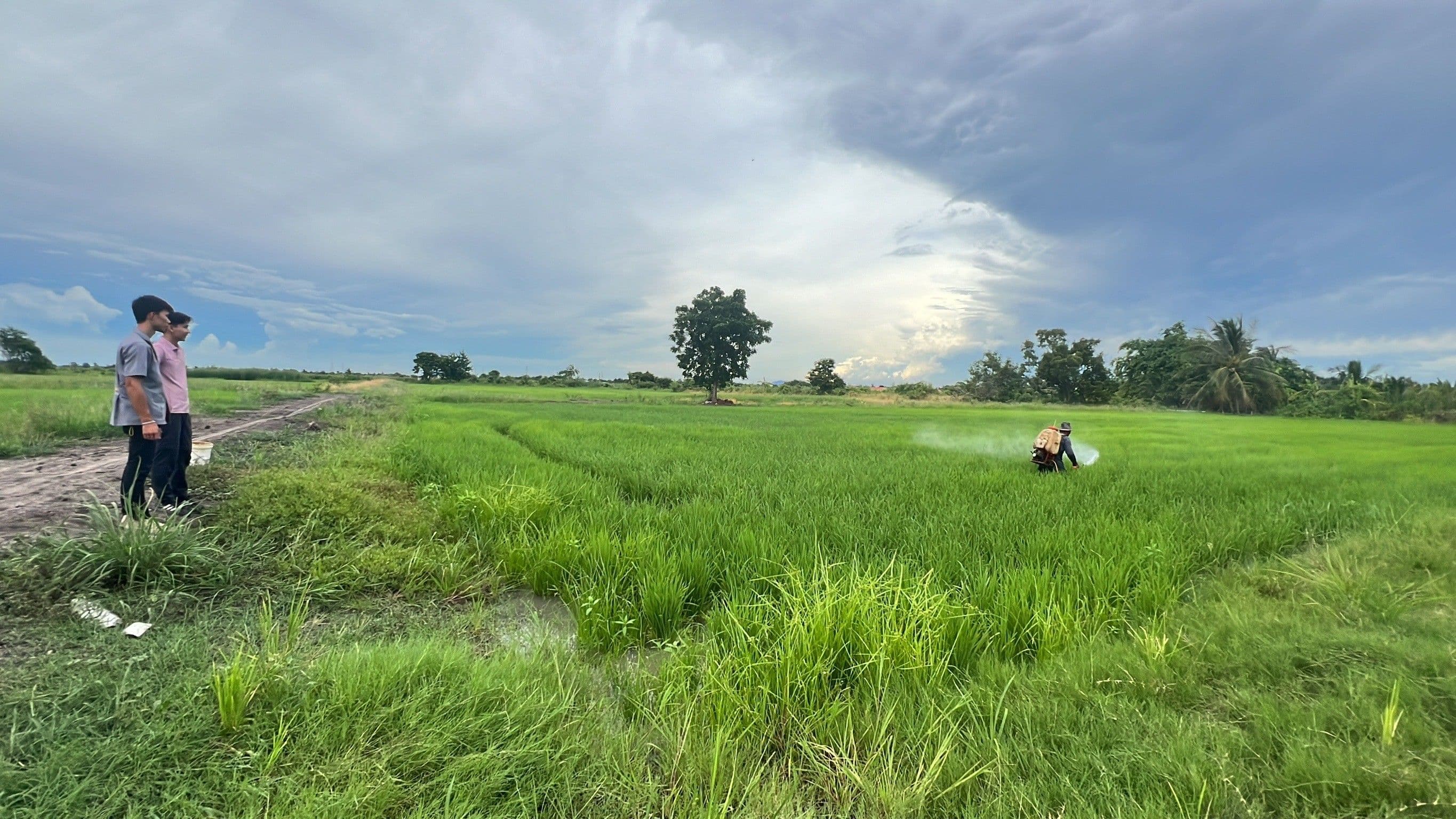
During this cooperative education program at the Bang Bo District Agricultural Office, Samut Prakan Province, a study was conducted on the costs and returns of rice cultivation using chemical inputs compared to using biopesticides in combination with chemical inputs among farmers in Bang Phli Noi Subdistrict, Bang Bo District, Samut Prakan Province.The objectives of this study were: To examine the costs and returns of rice cultivation using chemical inputs compared to using biopesticides in combination with chemical inputs among farmers in Bang Phli Noi Subdistrict, Bang Bo District, Samut Prakan Province. To explore the challenges of using biopesticides in rice cultivation among farmers in Bang Phli Noi Subdistrict, Bang Bo District, Samut Prakan Province. The study found that in the 2024/25 growing season, the total production cost for rice cultivation using biopesticides in combination with chemical inputs was 5,099.50 THB per rai, consisting of variable costs of 4,432.50 THB per rai and fixed costs of 667.00 THB per rai. Meanwhile, the total production cost for rice cultivation using only chemical inputs was 5,129.00 THB per rai, consisting of variable costs of 4,390.00 THB per rai and fixed costs of 739.00 THB per rai. The cost difference between the two methods was 114.50 THB per rai. Regarding the returns on rice cultivation in the 2024/25 growing season, the field using biopesticides in combination with chemical inputs yielded 1,000.00 kilograms per rai, with an average selling price of 8,500.00 THB per rai. Farmers earned a total revenue of 8,585.00 THB per rai and a profit of 3,485.50 THB per rai. On the other hand, the field using only chemical inputs yielded 1,000.00 kilograms per rai, with an average selling price of 8,500.00 THB per rai. Farmers earned a total revenue of 8,500.00 THB per rai and a profit of 3,371.00 THB per rai. The total income difference between the two cultivation methods was 114.50 THB per rai. In terms of challenges related to the procurement of biopesticides, it was found that biopesticides are difficult to obtain, with limited or no availability in certain areas. Additionally, relevant agencies do not provide continuous support for biopesticides, making this the most significant issue. Regarding the use of biopesticides, the most critical challenge is that once fresh biopesticides are mixed, they must be used immediately and cannot be stored, as their effectiveness deteriorates over time.
ข้าวเป็นพืชเศรษฐกิจสำคัญที่สร้างรายได้ให้แก่ประเทศไทย แนวโน้มความต้องการข้าว ในตลาดโลกที่สูงขึ้น โดยในช่วงเดือนมกราคมถึงเดือนพฤษภาคมของปี 2567 ประเทศไทยส่งออกข้าวกว่า 4.6 ล้านตัน เพิ่มขึ้นร้อยละ 32.18 มูลค่าการส่งออกกว่า 106 ล้านบาท เพิ่มขึ้นร้อยละ 64.59 จากปี 2566 (สมาคมผู้ส่งออกข้าวไทย, 2567) ส่งผลการผลิตข้าวของไทยเปลี่ยนแปลงไปสู่การผลิต เพื่อการค้ามากยิ่งขึ้น เกษตรกรส่วนใหญ่มุ่งเน้นการเพิ่มประสิทธิภาพการผลิตโดยการใช้สารเคมีกำจัดศัตรูพืชและการใช้ปุ๋ยเคมีมากขึ้น ส่งผลให้เกิดปัญหาต่าง ๆ เช่น การระบาดของโรคและแมลง การสูญเสียความหลากหลายทางชีวภาพในแปลงเกษตร ปัญหาสารพิษตกค้างในสิ่งแวดล้อม ต้นทุนสารเคมีและปุ๋ย ที่สูงขึ้นทำให้เกษตรกรต้องลงทุนมากขึ้น แต่ราคาผลผลิตกลับไม่สูงขึ้นตามต้นทุน ทำให้เกษตรกรขาดทุนและมีหนี้สิน อีกทั้งยังส่งผลต่อสุขภาพของเกษตรกรและผู้บริโภคเนื่องจากสารพิษตกค้างในผลิตผลทางการเกษตรและสิ่งแวดล้อม (สำนักวิจัยและพัฒนาข้าวกรมการข้าว, 2565) การนำเทคโนโลยีมาใช้เพื่อลดต้นทุนการปลูกข้าวจะทำให้ได้ปริมาณและคุณภาพเพิ่มขึ้นโดยการลดต้นทุนและค่าใช้จ่ายในการปลูกข้าวที่สำคัญ เน้นการลดปัจจัยการผลิตของเกษตรกรผู้ปลูกข้าว ได้แก่ ลดการใช้ปุ๋ย ลดการใช้ยาฆ่าแมลง ลดค่าจ้างในการปลูกข้าว และลดการใช้เมล็ดพันธุ์ หนึ่งในเทคโนโลยีการลดต้นทุนการผลิตข้าว คือการใช้สารชีวภัณฑ์ทดแทนการใช้สารเคมี สอดคล้องกับแนวทางของ กรมส่งเสริมการเกษตรมีการส่งเสริมการใช้ เชื้อราไตรโคเดอร์มา เชื้อราบิวเวอเรีย เชื้อราเมธาไรเซียมในการผลิตข้าวของเกษตรกร แบ่งได้เป็น การใช้เชื้อเชื้อราไตรโคเดอร์มาในการควบคุมโรคข้าวที่เกิดจากเชื้อรา การใช้เชื้อราบิวเวอเรียในการควบคุมแมลงศัตรูพืชในนาข้าวการผลิตข้าวและการใช้สารชีวภัณฑ์ในการผลิตข้าวของเกษตรกร (กรมส่งเสริมการเกษตร, กระทรวงกระเกษตรและสหกรณ์, 2567) การผลิตข้าวของเกษตรกรใน ตำบลบางพลีน้อย อำเภอบางบ่อ จังหวัดสมุทรปราการ จำเป็นต้องลดการใช้สารเคมีและปรับใช้สารชีวภัณฑ์เพื่อช่วยลดต้นทุน เนื่องจากสารชีวภัณฑ์สามารถใช้แทนสารเคมีในการควบคุมโรคและแมลงศัตรูพืชในนาข้าว อีกทั้งยังช่วยให้ดินอุดมสมบูรณ์ ลดการตกค้างของสารพิษในดิน เมื่อดินมีคุณภาพดีขึ้น ข้าวก็จะมีคุณภาพดีตามไปด้วย ซึ่งสารชีวภัณฑ์ที่แนะนำให้ใช้ ได้แก่ เชื้อรา ไตรโคเดอร์มา เชื้อราบิวเวอเรีย และเชื้อราเมธาไรเซียม การใช้สารชีวภัณฑ์เหล่านี้จะช่วยส่งเสริมให้เกษตรกรในตำบลบางพลีน้อยลดการใช้สารเคมีได้ แม้ว่าในปัจจุบันยังไม่มีการใช้สารชีวภัณฑ์อย่างจริงจัง การประชาสัมพันธ์และส่งเสริมการใช้สารชีวภัณฑ์จะช่วยให้เกษตรกรเห็นประโยชน์และนำไปใช้ทดแทนสารเคมีได้ (สำนักงานเกษตรอำเภอบางบ่อ, 2567) ทั้งนี้ผู้วิจัยสนใจศึกษาต้นทุน ผลตอบแทนการปลูกข้าวโดยใช้สารเคมีและการปลูกข้าวโดยใช้ สารชีวภัณฑ์ร่วมกับสารเคมีเพื่อนำผลไปให้เกษตรกรใน ตำบลบางพลีน้อย อำเภอบางบ่อ จังหวัดสมุทรปราการ ได้นำข้อมูลที่ได้จากการศึกษาวิจัยนี้มาใช้เป็นแนวทางในการพัฒนาการเกษตรของตนเองต่อไป

คณะวิศวกรรมศาสตร์
During the recent years, PM2.5 concentration is rising above the safety exposure limit in Thailand. PM2.5 could have originated from various sources such as exhaust fumes, open air burning, wildfire, etc. This concludes that all cities or places would have different PM source contributions. Most studies regarding the PM source findings were done based on chemical analysis. Our research team would like to predict the PM sources physically by nanostructures analysis. These methods would require the PM dust to be collected in a limited amount of time and dry. The use of paper filters may cause contamination from filter material which may cause errors in result evaluation. Our team suggests using Electrostatic Precipitator (ESP) where electrostatics is used to capture PM dust. This research mainly focuses on designing and building the ESP system for PM collection whereas the requirement is to collect at least 100 mg of PM dust within 1 day which would be adequate for nanostructure analysis. The study revealed that the customized ESP system could achieve of up to 80% collecting efficiency (which is more than the commercial ESP that we previously used), there’s a also a parametric study of relationships between flow velocity and collecting efficiency where collecting efficiency is inversely proportional to flow velocity. The suggested air velocity is not to exceed 2 m/s. However, there’re still more room for improvement of the ESP system for PM collection such as the convenience of PM collection process which resulted from the ESP construction geometry and sizes.
คณะวิศวกรรมศาสตร์
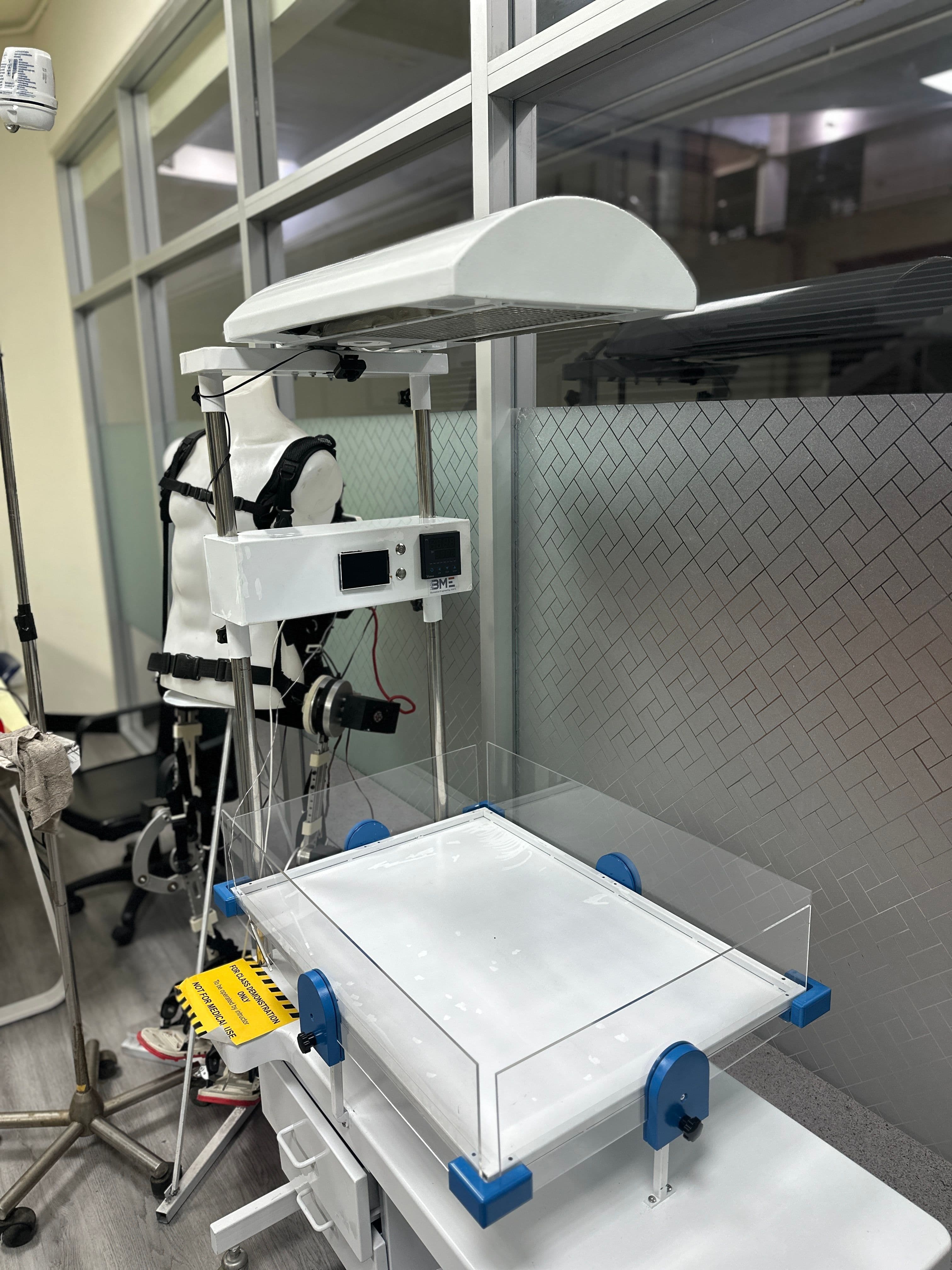
Jaundice, a common condition in infants that results from high bilirubin levels in the blood, often requires early diagnosis and monitoring to prevent severe complications, especially in newborns. Traditional diagnostic methods can be time-consuming and subject to human error. This study proposes an approach for real-time jaundice detection using advanced image processing techniques and machine learning algorithms. By analyzing images captured in RGB color spaces, pixel values are extracted and processed through Otsu’s thresholding and morphological operations to detect color patterns indicative of jaundice. A classifier model is then trained to distinguish between normal and jaundiced conditions, offering an automated, accurate, and efficient diagnostic tool. The system’s potential to operate in real-time makes it particularly suited for clinical settings, providing healthcare professionals with timely insights to improve patient outcomes. The proposed method represents a significant innovation in healthcare, combining artificial intelligence and medical imaging to enhance the early detection and management of jaundice, reducing reliance on manual interventions and improving overall healthcare delivery.
คณะบริหารธุรกิจ
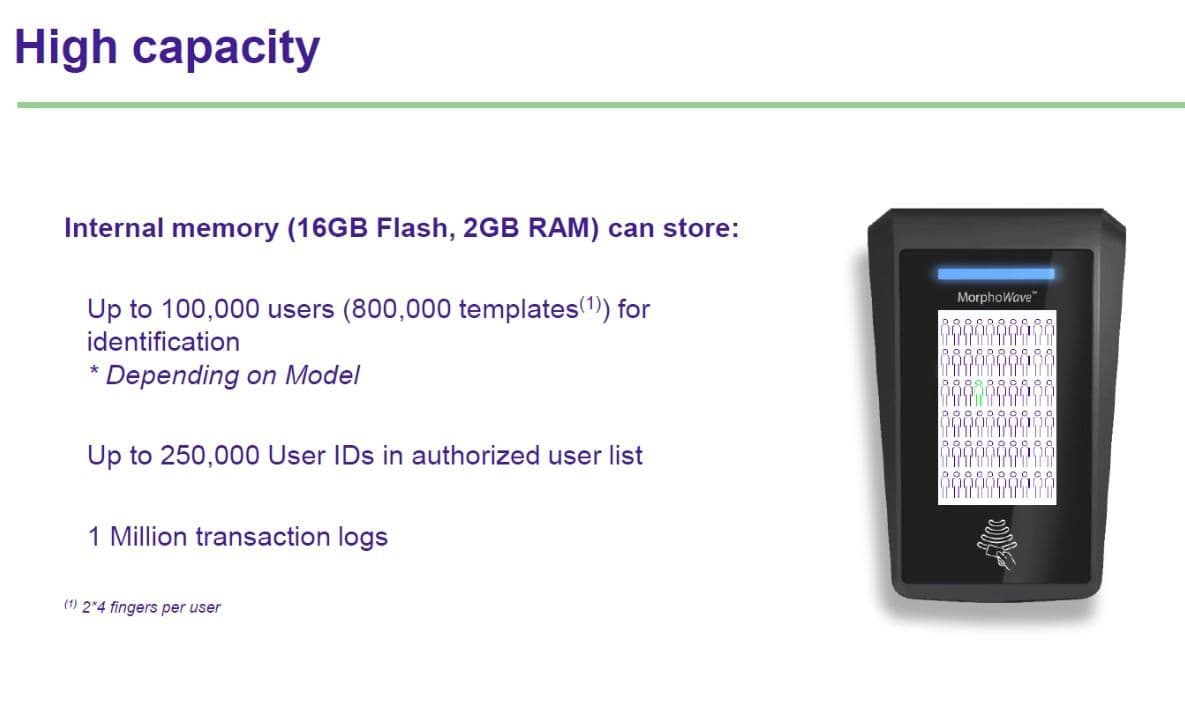
In the digital era, Artificial Intelligence (AI) plays a crucial role in developing smart cities and enhancing business operations. Among AI-driven technologies, AI Vision Analytics has gained significant attention for Access Control Systems (ACS) and Consumer Behavior Analytics. This research focuses on integrating AI Access Control and AI Video Analytics to examine factors influencing Technology Adoption Behavior using the UTAUT2 (Unified Theory of Acceptance and Use of Technology 2) framework. Key factors assessed include Trust in Technology, Effort Expectancy, Social Influence, and Performance Expectancy, which impact users’ willingness to adopt AI-driven security and analytics solutions. The study also includes a real-world implementation of AI Vision Analytics at KMITL EXPO, where an AI-powered Access Control System and AI Video Analytics are deployed. The collected data is analyzed to identify trends in AI adoption for business management and security enhancement. The findings provide valuable insights for businesses and organizations to optimize AI Vision Analytics for enhancing security management and digital marketing strategies.