
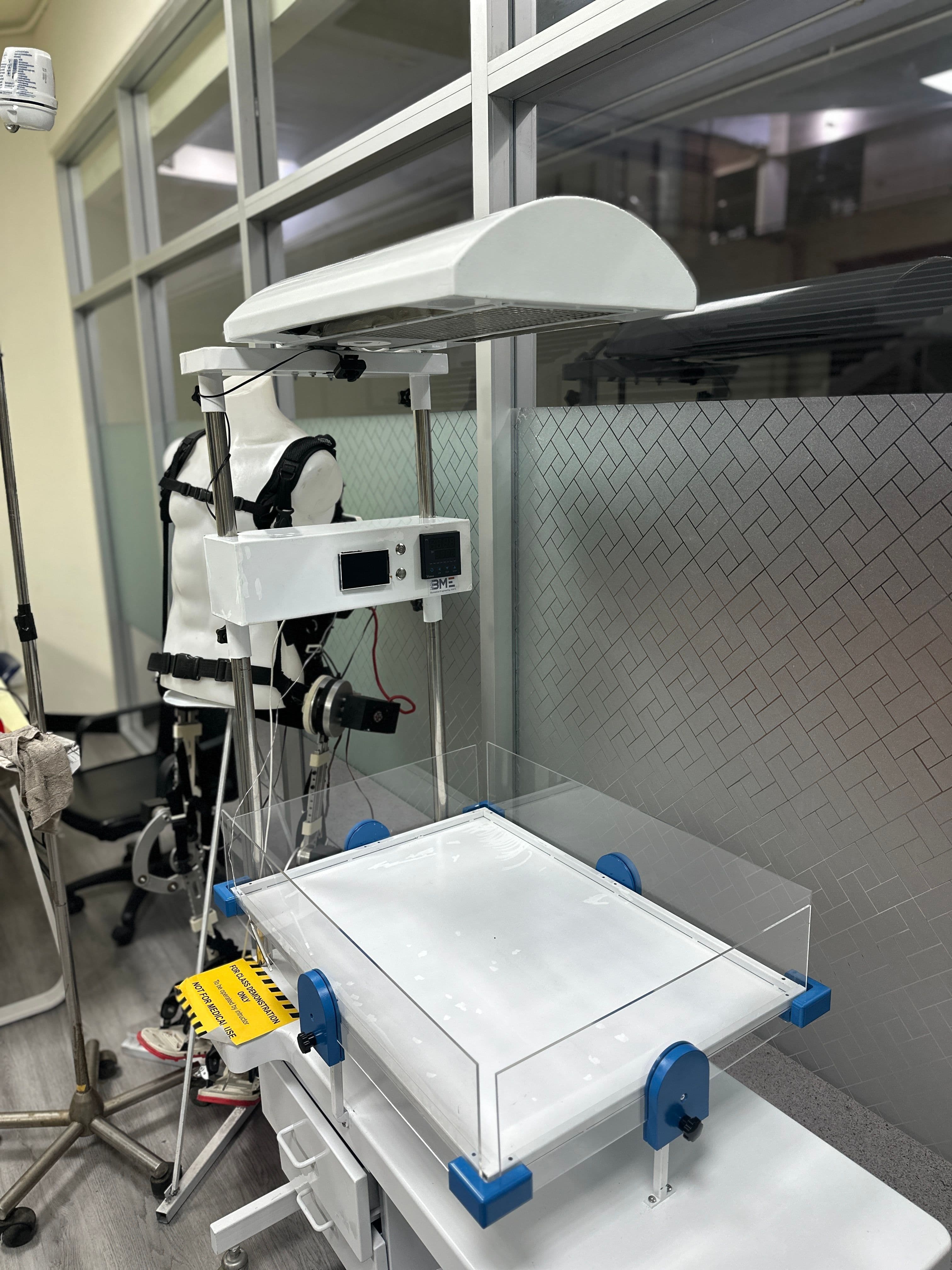
Jaundice, a common condition in infants that results from high bilirubin levels in the blood, often requires early diagnosis and monitoring to prevent severe complications, especially in newborns. Traditional diagnostic methods can be time-consuming and subject to human error. This study proposes an approach for real-time jaundice detection using advanced image processing techniques and machine learning algorithms. By analyzing images captured in RGB color spaces, pixel values are extracted and processed through Otsu’s thresholding and morphological operations to detect color patterns indicative of jaundice. A classifier model is then trained to distinguish between normal and jaundiced conditions, offering an automated, accurate, and efficient diagnostic tool. The system’s potential to operate in real-time makes it particularly suited for clinical settings, providing healthcare professionals with timely insights to improve patient outcomes. The proposed method represents a significant innovation in healthcare, combining artificial intelligence and medical imaging to enhance the early detection and management of jaundice, reducing reliance on manual interventions and improving overall healthcare delivery.
โรคดีซ่าน ซึ่งเป็นภาวะทางการแพทย์ทั่วไปที่มีลักษณะการเหลืองของผิวหนังและดวงตา มักบ่งบอกถึงความผิดปกติของตับหรือเลือดที่อยู่เบื้องหลัง การตรวจพบในระยะเริ่มต้นมีความสำคัญอย่างยิ่ง โดยเฉพาะในทารกแรกเกิด ที่หากไม่ได้รับการรักษาโรคดีซ่าน อาจนำไปสู่ภาวะแทรกซ้อนร้ายแรงได้ วิธีการวินิจฉัยแบบดั้งเดิมต้องอาศัยการตรวจสอบด้วยสายตาหรือการทดสอบในห้องปฏิบัติการ ซึ่งอาจใช้เวลานานและมีข้อผิดพลาดได้ ความก้าวหน้าล่าสุดในด้านการประมวลผลภาพและแมชชีนเลิร์นนิงเสนอความเป็นไปได้ใหม่ ๆ สำหรับการตรวจจับที่แม่นยำ มีประสิทธิภาพ และแบบเรียลไทม์มากขึ้น ด้วยการวิเคราะห์รูปแบบสีผิว ปัญญาประดิษฐ์ (AI) สามารถทำให้การวินิจฉัยเป็นไปโดยอัตโนมัติ ทำให้รวดเร็วขึ้นและลดการพึ่งพาการประเมินโดยมนุษย์

คณะวิศวกรรมศาสตร์
This project has been developed to address medical challenges related to the process of counting and classifying blood cells from samples, a task that requires both time and high precision. To reduce the workload of medical personnel, the developers have created a platform and an artificial intelligence (AI) system capable of automatically classifying and counting cells from sample images. This system is designed to assist medical laboratory technicians by enabling them to work more efficiently and accurately, reducing the time required for analysis. Furthermore, it promotes the advancement of medical technology, ensuring effective usability from classrooms and laboratories to hospitals.
คณะวิทยาศาสตร์
This project aims to investigate and develop an energy storage system utilizing solar energy sources through the integration of solar cell technology and Graphene Quantum Dot Battery, representing a novel approach to enhancing energy storage efficiency and prolonging the lifespan of renewable energy systems. The selection of graphene and quantum dots as materials for battery development is attributed to their exceptional properties, including high electrical conductivity, charge storage capacity, efficient energy transfer, and enhanced stability.
คณะอุตสาหกรรมอาหาร
The reuse of cooking oil in food preparation leads to oil degradation and the formation of harmful compounds due to oxidation. This study focuses on enhancing the stability of used palm oil through ultrasound-assisted infusion with three varieties of banana blossoms: Kluai Khai, Kluai Hom, and Kluai Nam Wa, which are rich in phenolic compounds and antioxidants. The research investigates the restoration of used palm oil by infusing dried and powdered banana blossoms using ultrasonic treatment at different temperatures and durations. The quality of the infused oil was evaluated through physical (water activity, moisture content, and color), chemical (peroxide value, acid value, and Thio barbituric acid reactive substances), and antioxidant activity (DPPH, ABTS, and FRAP) analyses.