
This study aims to investigate the co-encapsulation technique of vitamin C and coenzyme Q10 within liposomes to enhance their stability and encapsulation efficiency and evaluate their antioxidant activity and release behavior under simulated gastrointestinal conditions. Liposomes were prepared using the High-Speed Homogenization Method, and their characteristics, including particle size, zeta potential, encapsulation efficiency, and antioxidant activity, were analyzed using DPPH, ABTS, and FRAP assays. The results demonstrated that co-encapsulation significantly improved the stability of vitamin C and coenzyme Q10 compared to single encapsulation. The liposomes exhibited high encapsulation efficiency and maintained strong antioxidant activity. The release profile under simulated gastrointestinal conditions also indicated a sustained and controlled release. These findings highlight the potential of the co-encapsulation technique in enhancing the efficacy of functional bioactive compounds, making it applicable to the food and nutraceutical industries.
ประเทศไทยกำลังก้าวเข้าสู่สังคมผู้สูงอายุ ทำให้เกิดความต้องการผลิตภัณฑ์ที่ช่วยเสริมสุขภาพ โดยเฉพาะสารต้านอนุมูลอิสระที่ช่วยป้องกันการเสื่อมของเซลล์ โคเอนไซม์คิวเท็น (CoQ10) เป็นสารสำคัญที่ช่วยผลิตพลังงานในเซลล์และมีบทบาทในการปกป้องเซลล์จากความเสียหาย โดยปกติโคเอนไซม์คิวเท็นเป็นสารที่ร่างกายสามารถผลิตเองได้แต่เมื่ออายุมากขึ้นจะทำให้การผลิตโคเอนไซม์คิวเท็นลดลง ส่วน วิตามินซี เป็นสารต้านอนุมูลอิสระที่ช่วยเสริมภูมิคุ้มกันและกระตุ้นการสร้างคอลลาเจน การห่อหุ้มร่วม (Co-encapsulation) ใน ลิโปโซม (Liposome) ช่วยเพิ่มเสถียรภาพของสารสำคัญ ป้องกันการเสื่อมสลายของสารสำคัญในระบบทางเดินอาหาร โดยลิโปโซมสามารถกักเก็บสารที่ละลายในน้ำและไขมันไว้ภายในโครงสร้างเดียวกัน นอกจากนี้ จากการศึกษายังพบว่าการใช้เทคนิคนี้สามารถเพิ่มประสิทธิภาพในการเก็บรักษาได้ ดังนั้น การวิจัยนี้จึงมีเป้าหมายเพื่อพัฒนาการห่อหุ้มร่วมของวิตามินซีและโคเอนไซม์คิวเท็น เพื่อเพิ่มประสิทธิภาพของสารทั้งสองในการดูแลสุขภาพและความงาม

วิทยาเขตชุมพรเขตรอุดมศักดิ์
Bone tissue scaffolds are made from biomaterials that support rapid repair and healing. Scaffold fabricators have produced materials that are able to degrade a biosystem or human body excellently. Thus, this work aims to study the optimization of materials, shape, and the 3D printing process with FDM. Finite element analysis is also used to predict mechanical properties of the scaffold and find the optimal shape and pore size. However, the materials studied include PLA, PCL, and HA.
คณะวิทยาศาสตร์
This project presents the development of an automatic recycling machine for plastic bottles and cans, utilizing Machine Learning for packaging classification through image processing, integrated with smart sensor systems for quality inspection and operation control. The system connects to a Web Application for real-time monitoring and control. Once the packaging type is verified, the system automatically calculates the refund value and processes payment through e-wallet or issues cash vouchers. The system can be installed in public spaces to promote waste segregation at source, reduce contamination, and increase recycling efficiency. It also provides financial incentives to encourage public participation in waste management. This project demonstrates the potential of combining Machine Learning and smart sensor systems in developing accurate, convenient, and sustainable waste management solutions.
คณะบริหารธุรกิจ
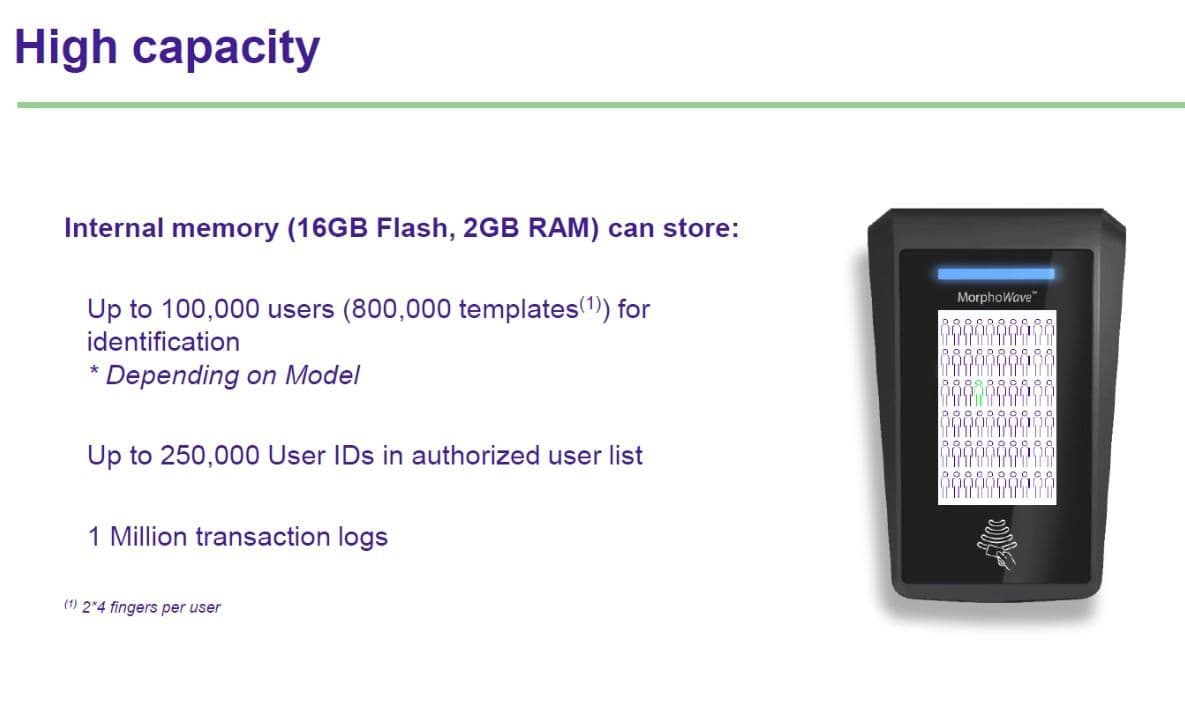
In the digital era, Artificial Intelligence (AI) plays a crucial role in developing smart cities and enhancing business operations. Among AI-driven technologies, AI Vision Analytics has gained significant attention for Access Control Systems (ACS) and Consumer Behavior Analytics. This research focuses on integrating AI Access Control and AI Video Analytics to examine factors influencing Technology Adoption Behavior using the UTAUT2 (Unified Theory of Acceptance and Use of Technology 2) framework. Key factors assessed include Trust in Technology, Effort Expectancy, Social Influence, and Performance Expectancy, which impact users’ willingness to adopt AI-driven security and analytics solutions. The study also includes a real-world implementation of AI Vision Analytics at KMITL EXPO, where an AI-powered Access Control System and AI Video Analytics are deployed. The collected data is analyzed to identify trends in AI adoption for business management and security enhancement. The findings provide valuable insights for businesses and organizations to optimize AI Vision Analytics for enhancing security management and digital marketing strategies.