
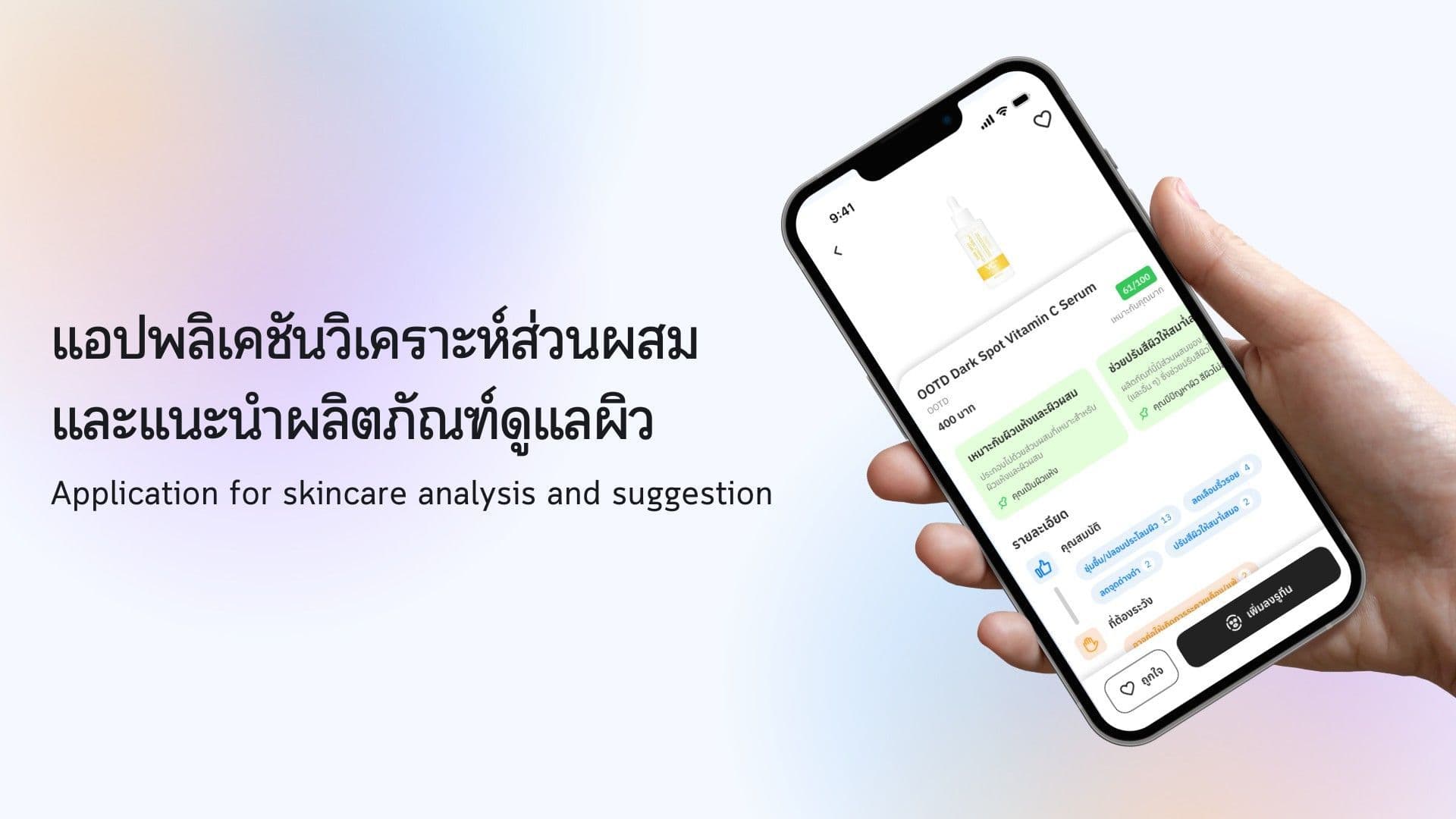
Nowadays, consumers may have experienced situations where they don't know which product to use based on their skin problems, the product they use doesn't give the desired results, the product is not worth the price, allergic to certain chemicals in the product ,or use multiple products and have ingredients that should not be used together leading to irritation. For this reason, we develop an application to analyze skin care product ingredients to solve such problems. This allows consumers to correctly understand information about the ingredients in products and know which products they should use according to their skin problems without having to rely on chemical knowledge and get products that are the best value for money. The project has integrated software knowledge to develop an application for analyzing skin care product ingredients. To find and recommend suitable skin care products to consumers. The information on various important ingredients has been collected from reliable articles and research.
ในยุคที่ข้อมูลสามารถเข้าถึงได้ง่าย ผู้บริโภคมักสับสนกับผลิตภัณฑ์ดูแลผิวมากมายบนท้องตลาด ผู้บริโภคอาจเคยประสบเหตุการณ์ที่ไม่รู้ว่าจะเลือกผลิตภัณฑ์ใดตามปัญหาผิว, ผลิตภัณฑ์ที่ใช้นั้นไม่ให้ผลลัพธ์ตามที่ต้องการ, ผลิตภัณฑ์นั้นไม่คุ้มค่ากับราคา, แพ้สารเคมีบางชนิดในผลิตภัณฑ์ หรือใช้ผลิตภัณฑ์หลายชิ้นแล้วมีส่วนผสมที่ไม่ควรใช้ร่วมกันนำไปสู่การระคายเคือง ด้วยเหตุนี้ คณะผู้จัดทำจึงพัฒนาแอปพลิเคชันวิเคราะห์ส่วนผสมของผลิตภัณฑ์ดูแลผิว เพื่อช่วยให้ผู้บริโภคเข้าใจข้อมูลส่วนผสมในผลิตภัณฑ์ได้อย่างถูกต้องและรู้ว่าควรใช้ผลิตภัณฑ์ใดตามปัญหาผิวโดยไม่ต้องอาศัยความรู้ด้านเคมี โดยแอปพลิเคชันแสดงรายละเอียดส่วนผสมทั้งหมดในผลิตภัณฑ์ พร้อมทั้งอธิบายหน้าที่ ประสิทธิภาพและความปลอดภัยเพียงแค่ถ่ายรูปส่วนผสมของผลิตภัณฑ์นั้น ช่วยให้ผู้บริโภคตัดสินใจเลือกซื้อผลิตภัณฑ์ที่เหมาะกับสภาพผิวและความต้องการ มีการแสดงผลิตภัณฑ์ที่ให้ผลลัพธ์คล้ายกันแต่คุ้มค่ากว่า โดยพิจารณาจากส่วนผสมหลักและกลไกการออกฤทธิ์ ช่วยให้ผู้บริโภคตัดสินใจซื้อผลิตภัณฑ์ใด ๆ ได้ง่ายขึ้น สามารถพิมพ์ปัญหาผิว เช่น ฝ้า, สิว, ผิวคล้ำ เพื่อค้นหาผลิตภัณฑ์ที่ช่วยแก้ปัญหาผิวได้ ช่วยให้ผู้บริโภคที่ไม่รู้จักผลิตภัณฑ์ใด ๆ ในท้องตลาดเลยก็สามารถเลือกซื้อผลิตภัณฑ์ด้วยตนเองได้ นอกจากนี้ยังมีฟังก์ชันที่ให้ผู้ใช้เพิ่มผลิตภัณฑ์ที่ใช้เป็นประจำลงไปเพื่อตรวจสอบว่ามีส่วนผสมจากผลิตภัณฑ์ใดที่ไม่ควรใช้ร่วมกันหรือไม่ เพื่อช่วยให้ผู้บริโภคหลีกเลี่ยงสาเหตุของการระคายเคืองได้
คณะบริหารธุรกิจ
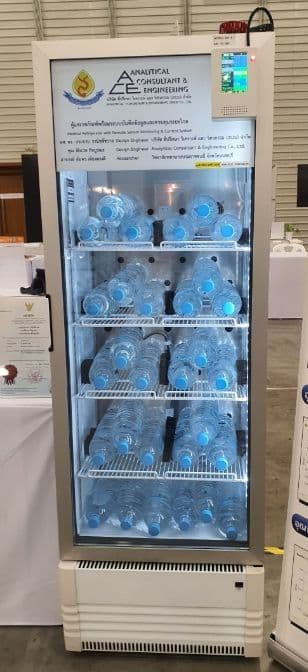
Evenly Distributed Temperature Controlled Medical Refrigerator is the medical refrigerator which equipped with specialized control system to control the cold air distribution within the chamber to have the same temperature along the different height within the chamber.
คณะบริหารธุรกิจ
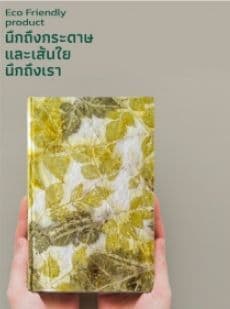
In an era where sustainability is at the heart of business operations, eco-friendly packaging is gaining increasing attention. This research explores sustainable business models for alternative packaging, focusing on the case of corn-based paper, an innovation that effectively replaces conventional plastic packaging. The study analyzes key factors that enable businesses using natural raw materials to remain competitive in the market, as well as the growth potential of sustainable packaging compared to plastic-based alternatives. Additionally, it examines the factors influencing consumer behavior in choosing eco-friendly products and evaluates the impact on profitability and social responsibility. This research employs both qualitative and quantitative methods, including case studies of businesses utilizing alternative materials, in-depth interviews with industry experts, and consumer behavior surveys. The findings are expected to provide insights into the business potential of corn-based packaging, strategies for market expansion, and approaches for long-term sustainability. The results of this study will serve as a valuable reference for entrepreneurs seeking to develop green businesses and policymakers aiming to promote sustainable packaging in the market.

คณะบริหารธุรกิจ
This project is a part of KMITL business student’s thesis. The topic is business plan about blazers and trousers made by recycled fabric