

With the current cost of living situation in Thailand continuously rising, many recent graduates face challenges in managing their expenses in alignment with the increasing living costs. Food expenses, even for common street food, continue to surge with no sign of decreasing, despite improvements in raw material costs. Pay-Attention is a website platform designed to help recent graduates gain insights into managing and optimizing their food expenses effectively. It provides guidance on how to spend wisely, ensuring cost-effectiveness while maintaining adequate daily nutritional intake, without falling into monotonous eating habits.
ด้วยสถานการณ์ “ค่าครองชีพ” ของประเทศไทยในปัจจุบันมีแนวโน้มพุ่งขึ้นสูงเรื่อยๆ นับตั้งแต่ ยุคหลังโควิด-19 แต่ฐานเงินเดือนและรายได้ของนักศึกษาจบใหม่ ก็ยังคงมีฐานเริ่มต้นเหมือนเดิม ไม่ต่างจากหลายปีก่อน เป็นผลทำให้ประชากรที่พึ่งสำเร็จการศึกษา ในประเทศไทยจำนวนไม่น้อย ประสบกับปัญหาเรื่องการจัดการค่าใช้จ่าย ให้สอดคล้องกับค่าครองชีพอย่างเหมาะสมในปัจจุบัน ทั้งค่าใช้จ่ายคงที่ และค่าใช้จ่ายผันแปร ที่แปรเปลี่ยนไปตามวิถีชีวิตของแต่ละคน มากน้อย ตามความต้องการและรสนิยม ซึ่งเป็นค่าใช้จ่ายที่ต้องระวังและควบคุมการใช้จ่ายอย่างมีสติเสมอโดยเฉพาะค่าใช้จ่ายเรื่องอาหารที่แม้แต่ตามสั่งทั่วไปก็พุ่งสูงขึ้นเรื่อยเรื่อยไม่มีท่าทีจะลดลงแม้ต้นทุนวัตถุดิบจะปรับปรุงก็ตาม

คณะสถาปัตยกรรม ศิลปะและการออกแบบ
Interior Architecture Design Project: A Halal Restaurant Integrating the Culture of Songkhla, Thailand
คณะวิศวกรรมศาสตร์
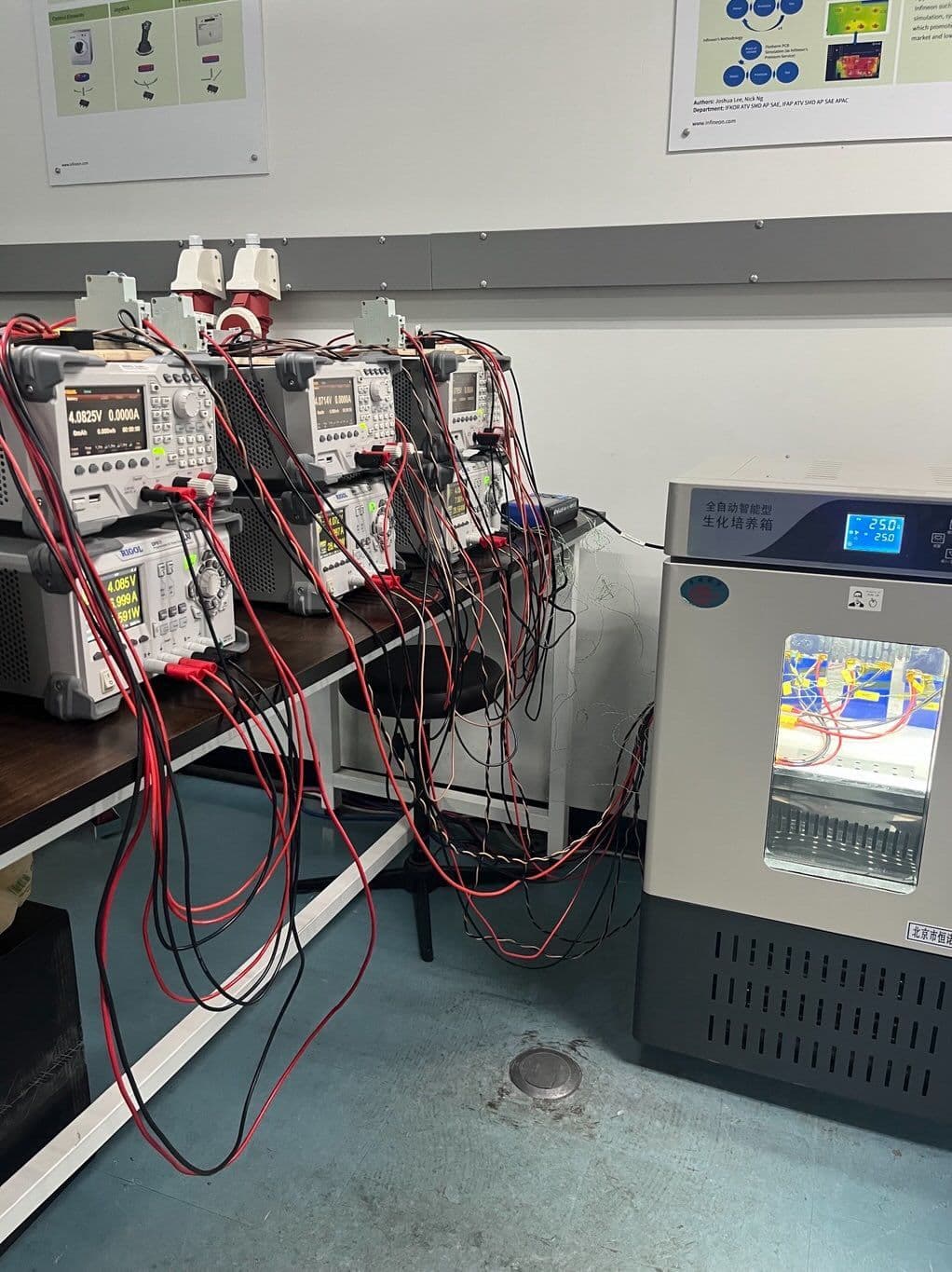
Currently, lithium batteries are widely used in electronic devices and electric vehicles, making the estimation of their State of Health (SOH) crucial. Accurate SOH estimation helps extend battery lifespan, reduce maintenance costs, and prevent safety issues such as overheating or explosions. This project aims to study and analyze mathematical models of batteries and develop SOH estimation techniques using Neural Networks to enhance accuracy and evaluation speed. The experiment involved collecting charge and discharge data from three lithium battery cells under controlled temperature conditions while maintaining a constant current. The current, voltage, and time data were recorded and analyzed to determine the battery capacity for each cycle. These data were then used to train a Neural Network model. The results demonstrated an effective method for predicting battery health status. The outcomes of this project can contribute to the development of a Battery Management System (BMS) that improves battery efficiency and longevity. Additionally, it provides a foundation for applying artificial intelligence techniques in the energy sector effectively.
วิทยาลัยนวัตกรรมการผลิตขั้นสูง
Ultrasonic cleaning tank is a machine that many factories widely used to clean objects. At one factory, a problem occurred in the cleaning process, resulting in the factory not being able to clean objects, but cracks also appeared on some objects. It was anticipated that these were caused by uneven acoustics pressure distribution which resulted in unsuitable cavitation This directly affected cleaning performance within the tank. In order to improve the tank's efficacy, in this research, we use Harmonic Response Analysis in ANSYS simulate simulate the occurrence of acoustic pressure in the tank to find the appropriate conditions of factors affected the intensity and the distribution pattern of acoustic pressure in ultrasonic tank, including the position of object, power, ultrasonic frequency and a suitable type and placing position of the transducer for the tank. Reliability of the simulate results was validate by the actual result from the foil corrosion test and the ultrasonic power probe. We found that objects receive different pattern of corrosion at each location. When temperature increasing the intensity of cavitation was increased. When we increase the ultrasonic frequency, acoustic pressure that is evenly dispersed throughout the tank.