

Plant-based refers to food or products that are primarily made from plants. It can be divided into two categories: one is food that comes entirely from plants and does not include any animal products, and the other is food that contains small amounts of animal products, such as products that contain milk and eggs in limited quantities, which may also be considered part of the definition of plant-based. Plant-based meat products that closely resemble real meat and attract consumers are considered a relatively new innovation. Although tofu, tempeh, and seitan have been around for a long time, recent discoveries have led to the production of plant-based meat products that provide a sensory experience, making it difficult for consumers to distinguish between real meat and plant-based meat. Furthermore, the development of plant-based food products must prioritize quality and safety to maximize consumer benefits. Textured Vegetable Protein (TVP) is a plant-based protein made from soybeans using an extruder. It is used as a primary ingredient in the production of plant-based food products due to several advantages. These include: • High Protein Content: TVP is made from soybeans with the fat extracted, resulting in a high protein content. • Texture: When rehydrated, TVP has a texture that closely resembles meat. • Versatility: TVP has a neutral flavor, allowing it to easily absorb the flavors of various seasonings and sauces. • Cost-Effectiveness: Compared to other protein sources, TVP is relatively inexpensive while providing desirable characteristics. These benefits make TVP an attractive option in the production of plant-based foods. This study focuses on developing TVP into a plant-based crab cake and investigating the shelf life of the product in a tightly sealed container under refrigeration. It also analyzes the hygiene and cleanliness of the production process and how these factors affect the presence or growth of microorganisms that may pose a risk to consumers, referencing the cold food safety standards of Thailand. Finally, recommendations for cleaning operational areas will be provided to establishments as a guideline for developing preliminary food safety procedures in laboratory settings.
ปัจจุบันผู้บริโภคมีการให้ความสนใจต่อผลิตภัณฑ์อาหารจากพืชแทนการรับประทานผลิตภัณฑ์จากเนื้อสัตว์ ที่มีผลต่อผู้บริโภคในแง่ของ จริยธรรม, สิ่งแวดล้อม, และผลต่อสุขภาพในระยะยาว ซึ่งอุตสาหกรรมอาหารมีการวิจัยและพัฒนาแหล่งวัตถุดิบรวมถึงกระบวนการแปรรูป เพื่อให้สามารถตอบสนองความต้องการของผู้บริโภคในด้าน เนื้อสัมผัส, รสชาติและคุณค่าทางโภชนาการ กระบวนการผลิตผลิตภัณฑ์อาหารจากพืชก็จำเป็นต้องมีการควบคุมคุณภาพและความปลอดภัยเช่นเดียวกับผลิตภัณฑ์อาหารชนิดอื่นๆเพื่อเป็นประโยชน์สูงสุดแก่ผู้บริโภค กระบวนการผลิตในระหว่างขั้นตอนการพัฒนาผลิตภัณฑ์ระดับห้องปฏิบัติการถือว่าเป็นกระบวนการต้นแบบก่อนนำไปยกระดับเป็นกระบวนการผลิตในระดับอุตสาหกรรมสามารถทำการศึกษาเบื้องต้นและประเมินโอกาสเกิดความเสี่ยงในด้านต่างๆ เป็นแนวทางสำหรับใช้อ้างอิงในกระบวนการผลิตในระดับอุตสาหกรรม อายุการเก็บรักษา (shelf-life) หมายถึงระยะเวลาที่ผลิตภัณฑ์อาหารจะคงความเสถียรและรักษาคุณลักษณะทางสัมผัส ทางเคมี ทางกายภาพ จุลชีววิทยา โภชนาการ และฟังก์ชั่นการทํางานที่ต้องการในระหว่างการจัดเก็บภาย ใต้สภาพแวดล้อมต่างๆ การศึกษาอายุการเก็บรักษาจะประเมินการตอบสนองของผลิตภัณฑ์อาหารต่อปัจจัยภายในและภายนอก ข้อมูลนี้ช่วยให้ผู้ผลิตมั่นใจได้ถึงการปฏิบัติตามข้อกําหนดด้านกฎระเบียบ พร้อมทั้งลดการสูญเสีย และเพิ่มความพึงพอใจของผู้บริโภค คุณภาพเป็นสิ่งที่ต้องมาพร้อมกับความปลอดภัยการศึกษาครั้งนี้ทำการทดลองในระดับห้องปฏิบัติการโดยทำการประเมินความเสี่ยงที่อาจเกิดขึ้นในระหว่างกระบวนการผลิตและวิเคราะห์ปัจจัยในการเก็บรักษาผลิตภัณฑ์ตัวอย่างเค้กเนื้อปูจากพืชเพื่อเป็นแนวทางในการวิเคราะห์และประเมินความเสี่ยงปัจจัยในด้านต่างๆที่มีผลต่อผลิตตภัณฑ์
คณะบริหารธุรกิจ
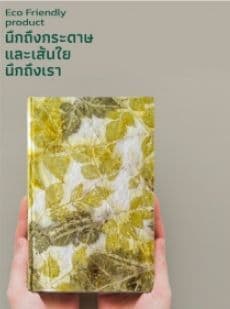
In an era where sustainability is at the heart of business operations, eco-friendly packaging is gaining increasing attention. This research explores sustainable business models for alternative packaging, focusing on the case of corn-based paper, an innovation that effectively replaces conventional plastic packaging. The study analyzes key factors that enable businesses using natural raw materials to remain competitive in the market, as well as the growth potential of sustainable packaging compared to plastic-based alternatives. Additionally, it examines the factors influencing consumer behavior in choosing eco-friendly products and evaluates the impact on profitability and social responsibility. This research employs both qualitative and quantitative methods, including case studies of businesses utilizing alternative materials, in-depth interviews with industry experts, and consumer behavior surveys. The findings are expected to provide insights into the business potential of corn-based packaging, strategies for market expansion, and approaches for long-term sustainability. The results of this study will serve as a valuable reference for entrepreneurs seeking to develop green businesses and policymakers aiming to promote sustainable packaging in the market.

คณะอุตสาหกรรมอาหาร
This study aims to investigate the encapsulation of anthocyanins in water-in-oil-in-water (W/O/W) emulsions and their spray-drying process to enhance anthocyanin stability against external factors such as light, temperature, and pH changes. The W/O/W emulsion was prepared using suitable surfactants and dried using a spray dryer at an inlet temperature of 120–140°C and an outlet temperature not lower than 80°C. The results showed that the composition ratios of water, oil, and surfactants significantly influenced the physical and chemical properties of the emulsion, as well as the encapsulation efficiency of anthocyanins. The spray-dried W/O/W emulsion demonstrated effective anthocyanin retention and improved long-term stability, making it applicable for food and health-related products.
คณะบริหารธุรกิจ
The goal of the processed pineapple study is to reduce the number of pineapples wasted as a result of climate change and to determine the best way for processing different pineapple species. The drying method, also known as dehydration, is chosen for processing because it is appropriate for the variety's features and will provide the maximum benefit while reducing waste, resulting in the most value for the product. This study was carried out to develop the processing of new kinds, use various processing principles to adapt to this pineapple variety, raise the value of agricultural goods, significantly reduce waste, and provide marketing potential in the future.