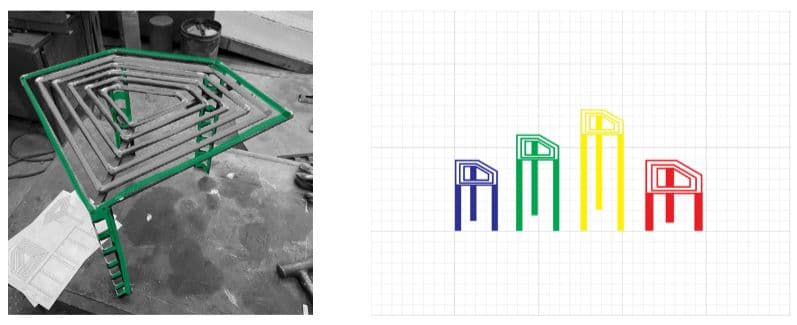
This research focuses on transforming waste materials from a micro-pile industrial establishment into value-added products through the Upcycle design process, guided by the principles of creative innovation and the 3Rs resource efficiency framework. The study aims to investigate the types and potential of discarded materials for creative product development, resulting in distinctive household and decorative items designed within the constraints of available technology and in-house craftsmanship. The outcomes were achieved through collaborative work among the industrial establishment, metal craftsmen, and the community as end users, leading to prototype products with viable commercial potential. Furthermore, the project serves as a knowledge transfer platform from academic institutions to the industrial sector, providing a practical guideline for entrepreneurs, designers, and start-ups interested in developing new products from waste materials in a creative and sustainable manner.
ประเทศไทยได้เข้าสู่การเป็นประชาคมเศรษฐกิจอาเซียน (AEC) ตั้งแต่ปี พ.ศ. 2558 ซึ่งหมายถึงการเปิดเสรีทางการค้า การบริการ การลงทุน การเงิน และแรงงานฝีมือกับอีก 9 ประเทศสมาชิกอาเซียน ตามพันธกรณีที่ได้ทำไว้ร่วมกันในการรวมกลุ่มความร่วมมือทางเศรษฐกิจ โดยมีเป้าหมายให้อาเซียนเป็นตลาดและฐานการผลิตเดียวกัน ซึ่งการเปลี่ยนแปลงดังกล่าวอาจส่งผลกระทบต่อภาคอุตสาหกรรมการค้าและบริการของไทยได้ ปัจจุบันมีผู้ประกอบการที่ผลิตสินค้าหลากหลายจำนวนมาก ทั้งสินค้าเกษตรแปรรูปและสินค้าอุตสาหกรรม ซึ่งส่วนมากเป็นผู้ประกอบการและวิสาหกิจชุมชนที่ได้รับการขึ้นทะเบียนจากภาครัฐ จากการศึกษาการดำเนินกิจการของสถานประกอบการอุตสาหกรรม พบว่ามีวัสดุสะอาดที่เหลือจากกระบวนการผลิตจำนวนมากในแต่ละวัน ซึ่งต้องใช้ทุนในการจัดการและต้องบริหารพื้นที่จัดเก็บอย่างเป็นระบบ ดังนั้น เพื่อเพิ่มศักยภาพในการแข่งขันให้กับผู้ประกอบการ สร้างโอกาสทางการค้าและการลงทุน และแก้ไขปัญหาสิ่งแวดล้อมอย่างเป็นรูปธรรม งานวิจัยนี้จึงมุ่งนำวัสดุเหลือใช้ที่มีศักยภาพจากกระบวนการผลิตมาสร้างมูลค่าเพิ่มด้วยการออกแบบให้เกิดเป็นผลิตภัณฑ์ใหม่ภายใต้แนวคิดนวัตกรรมเชิงสร้างสรรค์ โดยเฉพาะกระบวนการ Upcycle ซึ่งผู้เชี่ยวชาญได้ให้คำจำกัดความว่า "เป็นการนำวัสดุที่ไม่สามารถใช้ประโยชน์ได้แล้วมาทำให้มีมูลค่าหรือใช้ได้ดีกว่าเดิม" กล่าวคือการนำวัสดุที่ผ่านการใช้งานแล้วมาพัฒนาให้มีคุณภาพและมูลค่าสูงขึ้น ทั้งนี้ได้มีการนำแนวคิดการใช้ทรัพยากรให้คุ้มค่า (3Rs) ร่วมกับเทคโนโลยีสะอาด (Clean Technology) มาใช้เป็นกรอบในการจัดการของเสียในสถานประกอบการอุตสาหกรรม โดยแนวคิด 3Rs ประกอบด้วย การลดการใช้ (Reduce) การนำกลับมาใช้ซ้ำ (Reuse) และการนำไปแปรรูปแล้วนำกลับมาใช้ประโยชน์ใหม่ (Recycle) ซึ่งกระทรวงอุตสาหกรรมได้ส่งเสริมให้สถานประกอบการนำแนวคิดดังกล่าวไปใช้ภายใต้นโยบายการพัฒนาอุตสาหกรรมเชิงนิเวศ (Eco-Industry) เพื่อให้เกิดการใช้ทรัพยากรอย่างคุ้มค่าและลดของเสียจากกระบวนการผลิตอย่างมีประสิทธิภาพ (สำนักบริหารจัดการกากอุตสาหกรรม กรมโรงงานอุตสาหกรรม, 2555) จากการสำรวจขั้นต้นพบวัสดุเหลือใช้ที่มีศักยภาพในการพัฒนาเป็นผลิตภัณฑ์ใหม่ได้ จึงได้เกิดโครงการทดลองต้นแบบเพื่อทดสอบสมมติฐานเกี่ยวกับการใช้กระบวนการออกแบบในการเพิ่มมูลค่าผลิตภัณฑ์และเพิ่มศักยภาพผู้ประกอบการในการเข้าสู่ตลาดสินค้าใหม่ โครงการนี้ยังเป็นการถ่ายทอดองค์ความรู้จากสถาบันการศึกษาสู่การประยุกต์ใช้จริงในภาคอุตสาหกรรม และสามารถนำไปใช้เป็นแนวทางหรือคู่มือสำหรับผู้ประกอบการ Start-up นักออกแบบ นักศึกษา และผู้สนใจงานออกแบบ Upcycle เพื่อพิจารณาพัฒนาผลิตภัณฑ์ที่เหมาะสมกับอุตสาหกรรมของตน และนำองค์ความรู้ไปประยุกต์ใช้กับงานออกแบบได้อย่างหลากหลายและยั่งยืนต่อไป

โรงพยาบาลพระจอมเกล้าเจ้าคุณทหาร
-
คณะวิทยาศาสตร์
-

คณะวิศวกรรมศาสตร์
In the present day, business growth significantly fast in industries, real estate and tourism to support the growing population. Every activities must concern on an environment but the problem of infestation of pigeons that living in urban areas, villages and other buildings causes various problems and destroys the environment, property and human beings, so we have developed “Laser Pigeons Deterrent” that installed in inconvenient locations to help resolve problems that arise. This project will evict pigeons out of the area by using a high efficient laser to repelling pigeons from the behavior of pigeons responding to the laser. This project has integrated knowledge of Image Processing, Software and Hardware to develop an effective pigeon repellent device for detecting and repelling pigeons using automatic lasers. Pigeon pictures were collected from the internet and pigeon pictures were collected from cameras used in the development of this project. Pigeon pictures were collected from the Internet and data were collected under high-light to low-light conditions (morning to evening) from cameras used in project development. To make it possible to capture images of pigeons as close to the environment as possible. According to research on pigeon vision, pigeons are most sensitive to green and blue-green light. Therefore, it is reasonable to use a green laser to flee pigeons, coupled with controlling the direction of the laser irradiation to cause pigeons to react and fly away.